CMs meeting CMs in Switzerland to sign deals, criminal waste of money: Rajiv Shukla
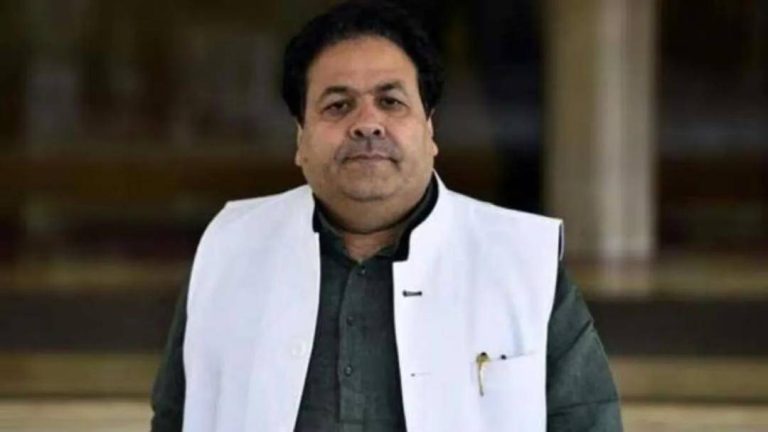
The World Economic Forum (WEF) in Davos, Switzerland, has been a platform for global leaders to come together and discuss pressing issues affecting the world economy. However, this year’s event has sparked controversy, with Rajya Sabha MP Rajeev Shukla criticizing the participation of Indian Chief Ministers in the forum. According to Shukla, the presence of Indian CMs in Davos is a “criminal waste of money” as they are meeting with other Indian leaders and signing agreements with Indian companies, which could have been done in India.
Shukla’s statement has raised eyebrows, with many questioning the necessity of Indian CMs traveling to Switzerland to meet with other Indian officials and business leaders. “It’s strange…Indians are going to Davos to meet Indians. State governments are signing agreements with Indian companies in Switzerland which they could’ve done in India,” he said. This statement highlights the apparent redundancy of the exercise, where Indian leaders are traveling abroad to engage with their counterparts from the same country.
The WEF in Davos is an annual event that brings together heads of state, business leaders, and intellectuals to discuss global issues and forge partnerships. While the event provides a platform for networking and collaboration, Shukla’s criticism suggests that the participation of Indian CMs may not be entirely justified. With the Indian government facing numerous challenges, including a burgeoning budget deficit and pressing social issues, the expenditure on traveling to Davos may be seen as an unnecessary luxury.
Moreover, the fact that Indian CMs are meeting with other Indian leaders and signing agreements with Indian companies in Switzerland raises questions about the efficiency of the exercise. If these meetings and agreements could have been facilitated in India, it begs the question of why the CMs needed to travel to Davos in the first place. The cost of traveling to Switzerland, including accommodation, food, and other expenses, must be substantial, and it is unclear whether the benefits of participating in the WEF outweigh the costs.
Shukla’s criticism also highlights the issue of transparency and accountability in government spending. With the Indian government facing scrutiny over its expenditure, the participation of CMs in the WEF may be seen as an example of unnecessary profligacy. The fact that Indian CMs are traveling to Switzerland to meet with other Indian leaders and sign agreements with Indian companies may be perceived as a junket, rather than a legitimate exercise in diplomacy and economic development.
Furthermore, the WEF in Davos has been criticized in the past for being an elitist event, where the wealthy and powerful gather to discuss issues that may not be relevant to the broader population. The participation of Indian CMs in the event may be seen as an example of this elitism, where the interests of the wealthy and powerful are prioritized over those of the common people.
In conclusion, Rajeev Shukla’s criticism of the participation of Indian CMs in the WEF in Davos has raised important questions about the necessity and efficiency of the exercise. While the WEF provides a platform for global leaders to come together and discuss pressing issues, the fact that Indian CMs are meeting with other Indian leaders and signing agreements with Indian companies in Switzerland may be seen as an unnecessary waste of money. As the Indian government faces numerous challenges, it is essential to ensure that government expenditure is transparent, accountable, and justified. The participation of Indian CMs in the WEF may be seen as an example of unnecessary profligacy, and it is essential to re-evaluate the benefits and costs of such exercises.
Source: https://x.com/ShuklaRajiv/status/2013664724563726652
About the Author