CMs meeting CMs in Switzerland to sign deals, criminal waste of money: Rajiv Shukla
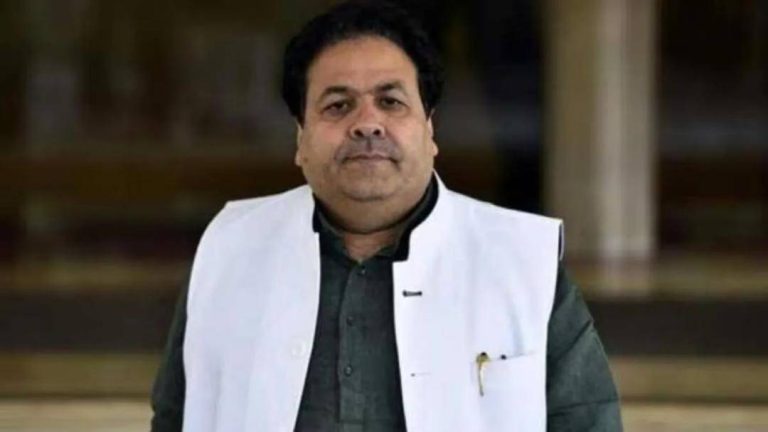
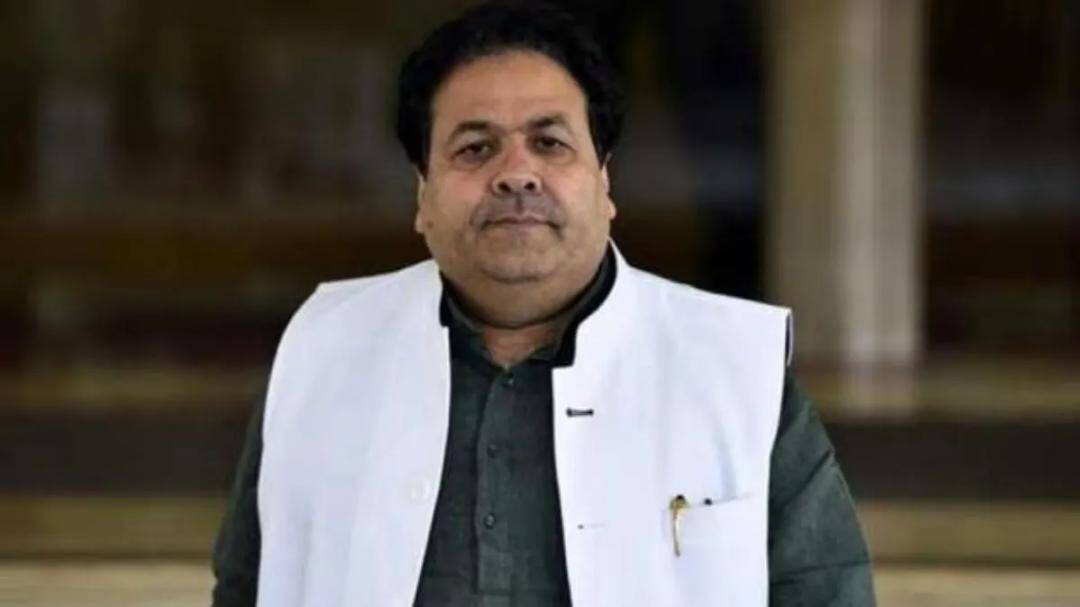
The World Economic Forum (WEF) in Davos, Switzerland, has been a platform for global leaders to come together and discuss pressing economic issues. However, the recent participation of Indian Chief Ministers in the forum has sparked controversy, with some critics labeling it a “criminal waste of money.” Rajya Sabha MP Rajeev Shukla has been vocal in his criticism, questioning the necessity of Indian state governments signing agreements with Indian companies in a foreign land.
According to Shukla, it is strange that Indians are traveling to Davos to meet other Indians, only to sign agreements that could have been done in India. “CMs are meeting CMs in Davos. It’s a criminal waste of money,” he said, highlighting the unnecessary expenditure incurred by the state governments. The fact that Indian Chief Ministers are meeting with other Indian Chief Ministers in Switzerland, rather than in their own country, has raised eyebrows and sparked debate.
The World Economic Forum is an annual gathering of global leaders, including heads of state, business executives, and civil society representatives. The event provides a platform for discussion and collaboration on various economic and social issues. However, the participation of Indian Chief Ministers in the forum has been criticized for being unnecessary and a waste of public funds. Shukla’s comments have resonated with many, who feel that the money spent on attending the WEF could have been better utilized for the development of their respective states.
One of the primary concerns is the cost associated with attending the WEF. The expenses incurred by the state governments, including travel, accommodation, and other logistical arrangements, are borne by the taxpayer. In a country like India, where there are pressing issues such as poverty, inequality, and infrastructure development, the expenditure on attending a foreign conference seems unjustified. Furthermore, the fact that Indian companies are signing agreements with state governments in Switzerland, rather than in India, has raised questions about the transparency and accountability of such deals.
Shukla’s criticism has also highlighted the issue of accountability in governance. The fact that state governments are signing agreements with Indian companies in a foreign land, without being held accountable to the people of their state, is a cause for concern. In a democratic setup, it is essential that elected representatives are answerable to the people who have voted them into power. By signing agreements in a foreign land, the Chief Ministers may be seen as avoiding accountability and transparency, which is a fundamental aspect of good governance.
Another issue that has been raised is the lack of tangible outcomes from such conferences. While the WEF provides a platform for discussion and collaboration, the actual outcomes and benefits to the people of India are often unclear. In the past, several Indian leaders have attended the WEF, but the benefits of such participation have been limited. The people of India are yet to see any significant improvements in their lives, despite the large sums of money spent on attending such conferences.
In recent years, there has been a growing trend of Indian politicians and business leaders attending international conferences and summits. While such participation can provide an opportunity for networking and collaboration, it is essential to ensure that the benefits of such participation are tangible and accrue to the people of India. The criticism leveled by Shukla has sparked a debate about the necessity of attending such conferences and the need for greater accountability and transparency in governance.
In conclusion, the participation of Indian Chief Ministers in the World Economic Forum in Davos, Switzerland, has been criticized for being a waste of public funds. Rajya Sabha MP Rajeev Shukla has been vocal in his criticism, questioning the necessity of signing agreements with Indian companies in a foreign land. The issue has raised concerns about accountability, transparency, and the lack of tangible outcomes from such conferences. As the people of India continue to struggle with pressing issues such as poverty and inequality, it is essential that their elected representatives prioritize their needs and ensure that public funds are utilized effectively.
Source: https://x.com/ShuklaRajiv/status/2013664724563726652
About the Author