CMs meeting CMs in Switzerland to sign deals, criminal waste of money: Rajiv Shukla
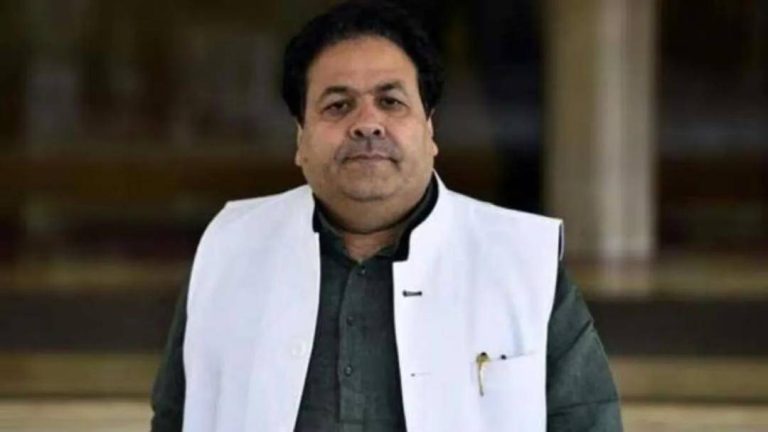
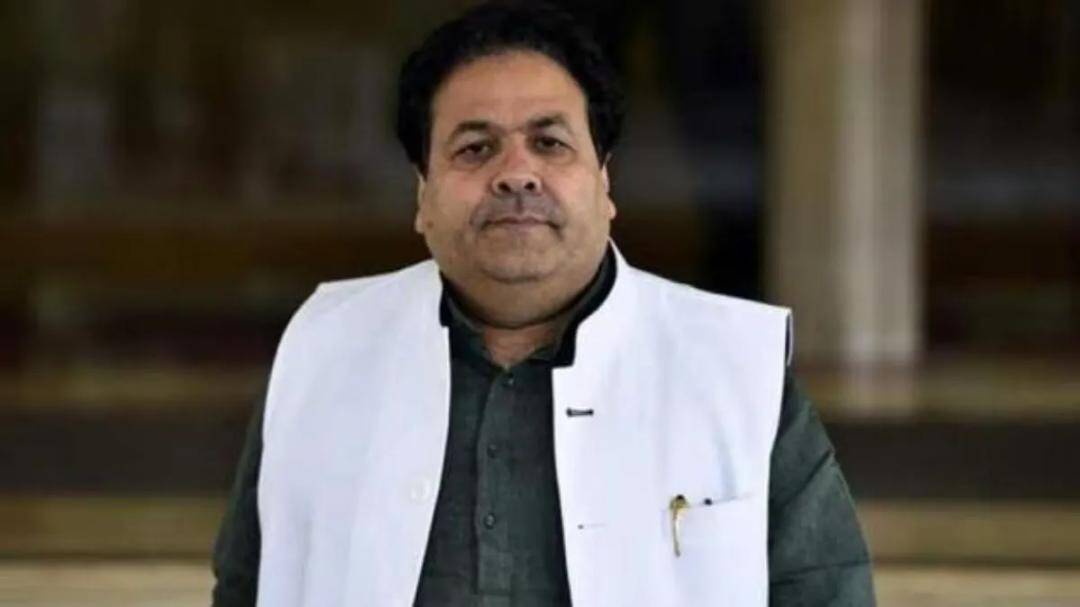
The World Economic Forum (WEF) in Davos, Switzerland, is an annual gathering of global leaders, entrepreneurs, and thinkers to discuss pressing economic and social issues. However, this year’s event has sparked controversy, with Rajya Sabha MP Rajeev Shukla criticizing the participation of Indian Chief Ministers in the forum. According to Shukla, the presence of Indian CMs in Davos is a “criminal waste of money” and serves no meaningful purpose.
Shukla’s criticism stems from the fact that Indian state governments are signing agreements with Indian companies in Switzerland, which could have been done in India. He questioned the logic behind Indian leaders traveling to a foreign country to meet with other Indian leaders and sign deals that could have been inked on Indian soil. “It’s strange…Indians are going to Davos to meet Indians. State governments are signing agreements with Indian companies in Switzerland which they could’ve done in India,” he said.
The Rajya Sabha MP also pointed out the absurdity of Chief Ministers meeting with each other in Davos, rather than in India. “CMs are meeting CMs in Davos. It’s a criminal waste of money,” he added. This statement highlights the unnecessary expenditure incurred by the Indian government in sending its leaders to attend the WEF in Davos. The cost of travel, accommodation, and other expenses for the Indian delegation is borne by the taxpayer, and Shukla’s criticism suggests that this money could be better spent on more pressing issues in India.
The World Economic Forum is often seen as a platform for global leaders to network, share ideas, and forge partnerships. However, in the context of Indian CMs attending the event, it appears that the benefits of their participation are not entirely clear. If the primary purpose of their visit is to meet with other Indian leaders and sign agreements with Indian companies, it raises questions about the value of their presence in Davos.
Moreover, the Indian government has been facing criticism for its handling of various domestic issues, such as the economy, healthcare, and education. In this context, the decision to send a large delegation to Davos, including Chief Ministers, may be seen as a luxury that the country can ill afford. The money spent on this trip could be better utilized to address the pressing needs of the Indian people, such as improving infrastructure, creating jobs, and enhancing public services.
Shukla’s criticism of the Indian CMs’ participation in the WEF also highlights the issue of accountability and transparency in government spending. The Indian government has a responsibility to ensure that public funds are used efficiently and effectively, and that the benefits of such expenditures are clearly evident. In the case of the Davos trip, it appears that the benefits of the Indian CMs’ participation are not entirely clear, and that the costs may outweigh any potential advantages.
In conclusion, Rajeev Shukla’s criticism of the Indian CMs’ participation in the World Economic Forum in Davos is a timely reminder of the need for accountability and transparency in government spending. The fact that Indian state governments are signing agreements with Indian companies in Switzerland, rather than in India, raises questions about the value of their presence in Davos. As Shukla pointed out, “CMs are meeting CMs in Davos. It’s a criminal waste of money.” The Indian government must ensure that public funds are used efficiently and effectively, and that the benefits of such expenditures are clearly evident.
News source: https://x.com/ShuklaRajiv/status/2013664724563726652
About the Author