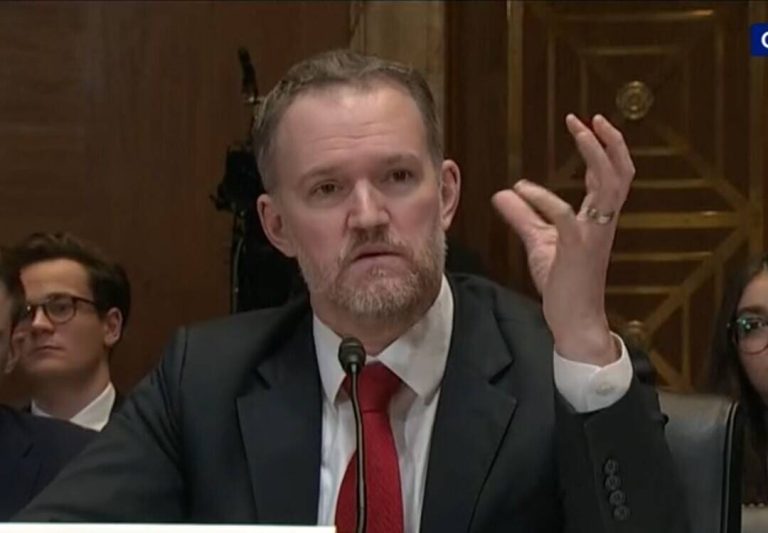
China & US like square & circle, that’s why we turned to India but it’s hard nut to crack: US
The relationship between the United States and China has been a complex and often contentious one, with the two nations frequently finding themselves at odds over issues such as trade, security, and human rights. According to US Trade Representative Jamieson Greer, the economies of the two countries are like a square and a circle, fundamentally incompatible and unable to “sit together” in a harmonious way. This incompatibility has led the US to seek out new trade partners, including India, with whom they are currently negotiating a bilateral trade agreement.
The US has long been one of the world’s leading exporters of crops, with countries around the globe relying on American farmers for everything from wheat and corn to soybeans and cotton. However, the ongoing trade tensions with China have made it increasingly difficult for US farmers to sell their products to one of their largest and most important markets. In response, the US has been seeking to diversify its export markets, with India emerging as a key target for American agricultural products.
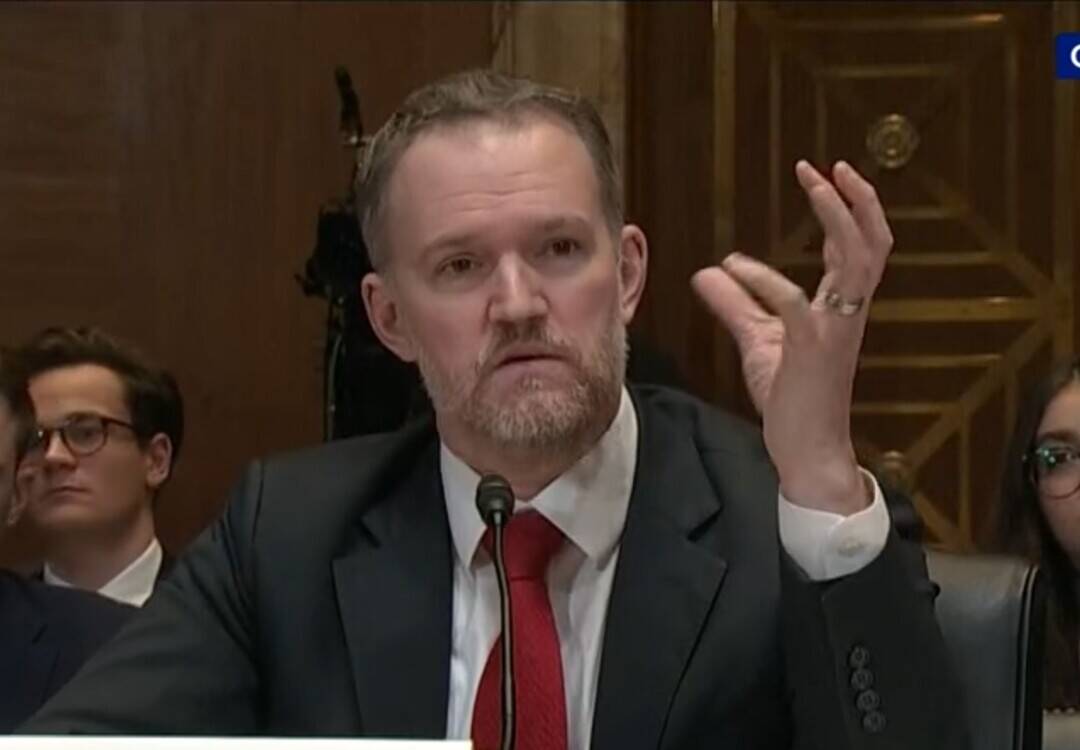
Speaking about the potential for US crop exports to India, Greer noted that it is “helpful for us to diversify” and that India is an attractive market for American farmers. However, he also acknowledged that there are significant challenges to overcome, particularly when it comes to “row crops” such as corn and soybeans. “There’s resistance in India to…row crops…They’re a very difficult nut to crack,” Greer said, highlighting the difficulties that the US is facing in its efforts to expand its agricultural exports to India.
One of the main reasons for this resistance is the fact that India is a major producer of many of the same crops that the US is trying to export. For example, India is one of the world’s largest producers of wheat, and its farmers are often able to sell their products at a lower price than their American counterparts. This makes it difficult for US farmers to compete in the Indian market, particularly when it comes to commodities like wheat and corn.
Another challenge facing the US is the complex and often bureaucratic nature of India’s agricultural import regime. India has a range of laws and regulations in place that govern the importation of agricultural products, including strict rules around issues like food safety and labeling. These regulations can make it difficult for US farmers to navigate the Indian market, particularly for those who are not familiar with the local regulatory environment.
Despite these challenges, the US remains committed to expanding its agricultural exports to India. The two countries are currently negotiating a bilateral trade agreement, which is expected to include provisions related to agricultural trade. The US is hoping that this agreement will help to reduce some of the barriers that are currently preventing American farmers from selling their products in India, and will make it easier for them to compete in the Indian market.
In addition to the bilateral trade agreement, the US is also working to promote its agricultural products in India through a range of other initiatives. For example, the US Department of Agriculture (USDA) has been working to promote American crops like soybeans and almonds in India, highlighting their quality and nutritional benefits to Indian consumers. The USDA has also been providing support to US farmers and exporters, helping them to navigate the complexities of the Indian market and to build relationships with Indian buyers.
Overall, while the US is facing significant challenges in its efforts to expand its agricultural exports to India, the potential rewards are well worth the effort. India is a large and growing market, with a rapidly expanding middle class and a increasing demand for high-quality food products. By working to overcome the obstacles that are currently preventing American farmers from selling their products in India, the US can help to promote economic growth and development in both countries, while also strengthening the bilateral relationship between the two nations.
As the US continues to navigate the complexities of the Indian market, it is clear that the road ahead will not be easy. However, with persistence, patience, and a commitment to building strong relationships with Indian buyers and policymakers, the US can help to crack open the Indian market and unlock the full potential of its agricultural exports.
News Source: https://x.com/Sputnik_India/status/1998714309367521298
About the Author