China & US like square & circle, that’s why we turned to India but it’s hard nut to crack: US
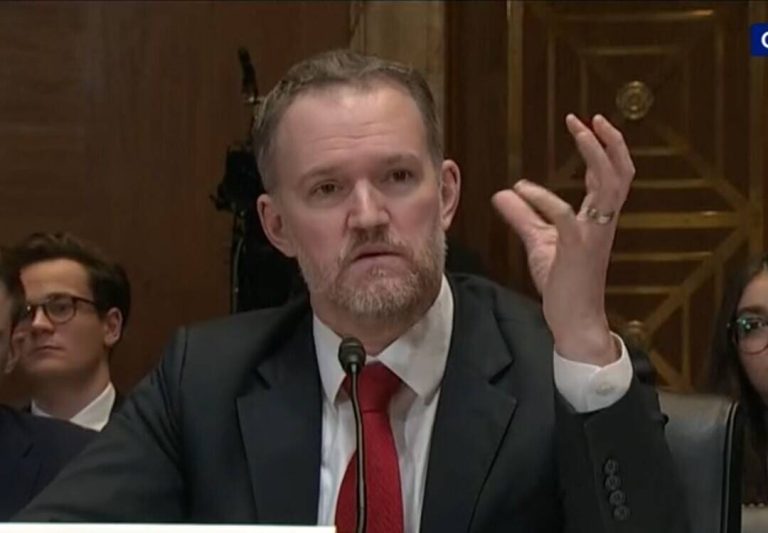
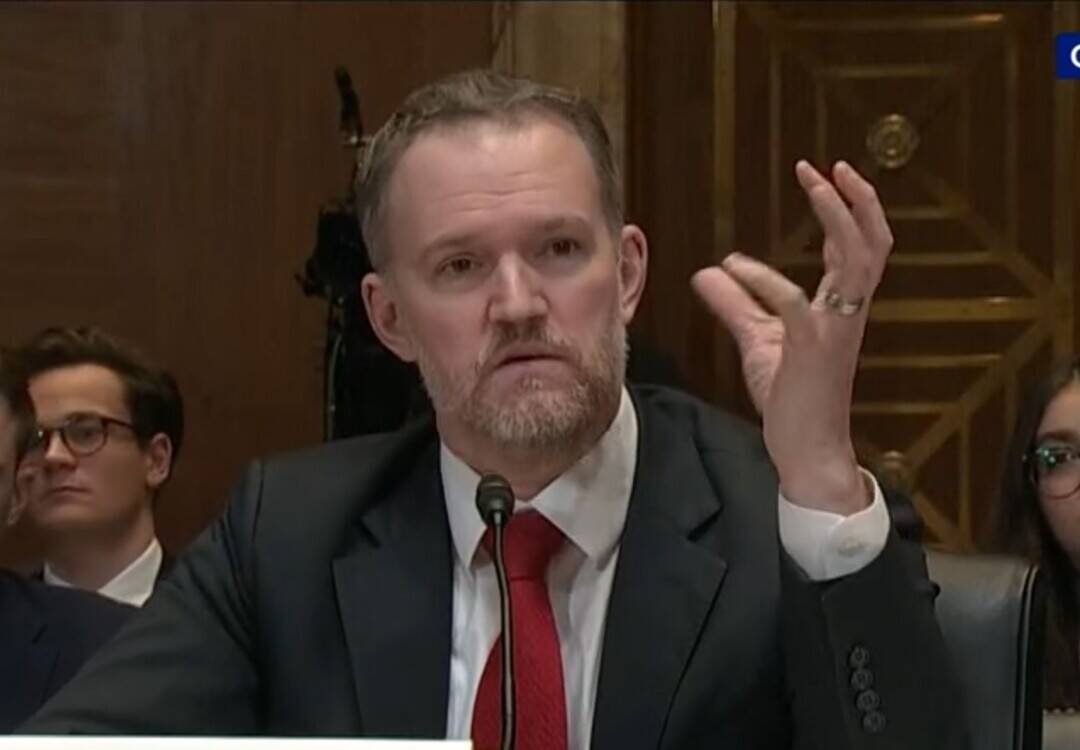
The United States and China have been engaged in a trade war for several years, with both countries imposing tariffs on each other’s goods. The tensions between the two nations have been escalating, and it seems that there is no end in sight to the trade dispute. Recently, US Trade Representative Jamieson Greer made a statement that highlights the complexity of the trade relationship between the US and China. According to Greer, the economies of China and the US are like a square and a circle, which don’t sit together. This analogy suggests that the two countries have fundamentally different economic systems, making it challenging to find common ground.
The trade tensions between the US and China have significant implications for the global economy. The US has been seeking to diversify its trade relationships and reduce its dependence on China. One of the countries that the US has turned to is India. The US has been trying to negotiate a bilateral trade agreement with India, which would help to increase trade between the two nations. However, Greer noted that India is a difficult nut to crack, particularly when it comes to row crops. There is resistance in India to certain types of crops, which is making it challenging for the US to negotiate a trade agreement.
The US is one of the world’s largest exporters of agricultural products, and India is a significant market for these goods. However, India has been protective of its agricultural sector, and there are concerns about the impact of US imports on domestic farmers. The Indian government has been cautious about opening up its market to US agricultural products, which has made it challenging for the US to negotiate a trade agreement. Despite these challenges, the US remains committed to negotiating a trade agreement with India, which would help to increase trade between the two nations.
The trade relationship between the US and India is complex, and there are many issues that need to be addressed. One of the key challenges is the issue of market access. The US has been seeking greater access to the Indian market for its agricultural products, but India has been resistant to this. The Indian government has been concerned about the impact of US imports on domestic farmers, and there are also concerns about the quality and safety of US products. These issues need to be addressed if a trade agreement is to be negotiated.
Another challenge in the trade relationship between the US and India is the issue of tariffs. India has imposed tariffs on certain US products, which has made it difficult for US exporters to compete in the Indian market. The US has been seeking to reduce these tariffs, but India has been resistant to this. The issue of tariffs is a complex one, and it will require careful negotiation if a trade agreement is to be reached.
Despite the challenges, there are many opportunities for trade between the US and India. The two countries have a long history of trade, and there are many areas where they can cooperate. The US is a significant market for Indian exports, and India is an important market for US goods. A trade agreement between the two nations would help to increase trade and investment, and would have significant benefits for both countries.
The statement by US Trade Representative Jamieson Greer highlights the challenges of negotiating a trade agreement with India. However, it also suggests that the US is committed to pursuing a trade agreement with India, despite the difficulties. The US recognizes the importance of the Indian market, and is seeking to increase trade and investment between the two nations. While there are many challenges to be addressed, there are also many opportunities for cooperation and mutual benefit.
In conclusion, the trade relationship between the US and India is complex, and there are many challenges that need to be addressed. The statement by US Trade Representative Jamieson Greer highlights the difficulties of negotiating a trade agreement with India, but also suggests that the US is committed to pursuing a trade agreement. The US recognizes the importance of the Indian market, and is seeking to increase trade and investment between the two nations. While there are many challenges to be addressed, there are also many opportunities for cooperation and mutual benefit.
As the US continues to pursue a trade agreement with India, it is essential to address the challenges and concerns of both countries. The issue of market access, tariffs, and row crops are just a few of the challenges that need to be addressed. However, with careful negotiation and a commitment to cooperation, it is possible to reach a trade agreement that benefits both countries. The US and India have a long history of trade, and there are many areas where they can cooperate. A trade agreement between the two nations would have significant benefits for both countries, and would help to increase trade and investment.
The future of the trade relationship between the US and India is uncertain, but one thing is clear: the US is committed to pursuing a trade agreement with India. The statement by US Trade Representative Jamieson Greer highlights the challenges of negotiating a trade agreement, but also suggests that the US is willing to work through these challenges to reach a mutually beneficial agreement. As the two countries continue to negotiate, it is essential to address the concerns and challenges of both nations. With careful negotiation and a commitment to cooperation, it is possible to reach a trade agreement that benefits both countries.
News Source: https://x.com/Sputnik_India/status/1998714309367521298
About the Author