China & US like square & circle, that’s why we turned to India but it’s hard nut to crack: US
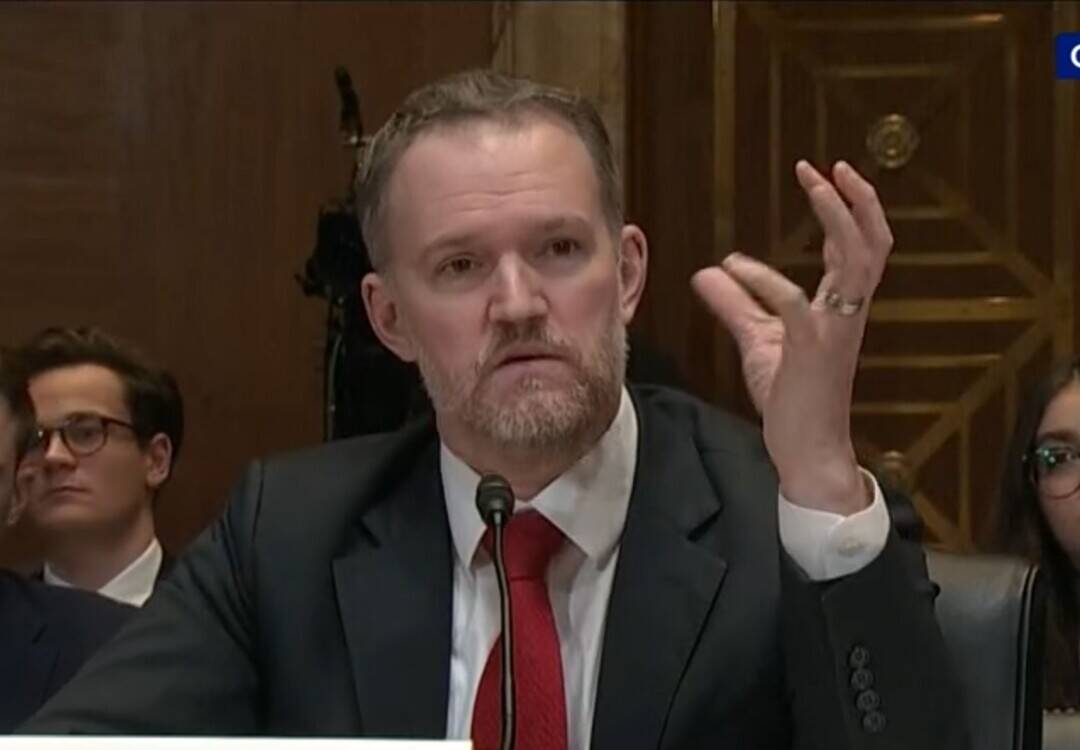
The United States and China have been engaged in a trade war for several years, with both countries imposing tariffs on each other’s goods. The tensions between the two nations have been escalating, and it seems that there is no end in sight. Recently, US Trade Representative Jamieson Greer made a statement that highlights the difficulties in the trade relations between the US and China. According to Greer, the economies of China and the US are like a square and a circle, which don’t sit together. This analogy suggests that the two countries have fundamentally different economic systems, making it challenging to find common ground.
The trade tensions between the US and China have led the US to look for alternative markets to diversify its exports. One of the countries that the US has turned to is India. The US has been trying to negotiate a bilateral trade agreement with India, which would help to increase trade between the two nations. However, Greer acknowledged that it’s not an easy task. Speaking about US crop exports, Greer said that it’s helpful for the US to diversify, which is why they’ve turned to India. However, he also added that there is resistance in India to certain types of crops, particularly row crops.
Row crops are crops that are grown in rows, such as corn, soybeans, and wheat. These crops are a significant part of the US agricultural exports, and the country is looking to increase its exports to India. However, India has been hesitant to open up its market to these crops, citing concerns about the impact on its domestic farmers. Greer described India as a “very difficult nut to crack,” suggesting that the country is not easily willing to compromise on its trade policies.
The US has been trying to persuade India to reduce its tariffs on agricultural products, but India has been resistant to these demands. India has its own agricultural sector, and the country is keen to protect its farmers. The Indian government has been concerned that opening up the market to cheap US imports could harm its domestic farmers, who may not be able to compete with the low prices of US products.
Despite the challenges, the US is keen to pursue a trade agreement with India. The US sees India as a significant market for its exports, and the country is looking to increase its trade with India. The US has been negotiating with India on a range of trade issues, including tariffs, market access, and intellectual property rights. However, the talks have been slow, and it’s unclear when a deal will be reached.
The trade tensions between the US and China have created an opportunity for India to negotiate a better deal with the US. India is aware that the US is keen to diversify its exports, and the country is using this to its advantage. India is demanding concessions from the US in return for opening up its market to US products. The US is willing to offer some concessions, but it’s unclear how far the country is willing to go.
The trade negotiations between the US and India are complex and involve a range of issues. The US is looking to increase its exports of agricultural products, while India is keen to protect its domestic farmers. The US is also looking to increase its exports of manufactured goods, such as automobiles and electronics. India has its own manufacturing sector, and the country is keen to protect its domestic industries.
In conclusion, the trade relations between the US and China are challenging, and the US has turned to India as an alternative market. However, India is a difficult nut to crack, and the country is resistant to opening up its market to US products. The US is keen to pursue a trade agreement with India, but the talks are slow, and it’s unclear when a deal will be reached. The trade negotiations between the US and India are complex and involve a range of issues. The outcome of these negotiations will have significant implications for the trade relations between the two countries.
The US Trade Representative Jamieson Greer’s statement highlights the challenges in the trade relations between the US and China. The analogy of the square and the circle suggests that the two countries have fundamentally different economic systems, making it challenging to find common ground. The US is looking to diversify its exports, and India is a significant market for US products. However, India is a difficult nut to crack, and the country is resistant to opening up its market to US products.
As the trade negotiations between the US and India continue, it’s unclear what the outcome will be. The US is keen to pursue a trade agreement with India, but the talks are slow, and it’s unclear when a deal will be reached. The trade relations between the US and India will have significant implications for the global trade landscape. The US is looking to increase its exports, and India is a significant market for US products. However, India is keen to protect its domestic industries, and the country is resistant to opening up its market to US products.
The trade tensions between the US and China have created an opportunity for India to negotiate a better deal with the US. India is aware that the US is keen to diversify its exports, and the country is using this to its advantage. The trade negotiations between the US and India are complex and involve a range of issues. The outcome of these negotiations will have significant implications for the trade relations between the two countries.
News source: https://x.com/Sputnik_India/status/1998714309367521298
About the Author