China & US like square & circle, that’s why we turned to India but it’s hard nut to crack: US
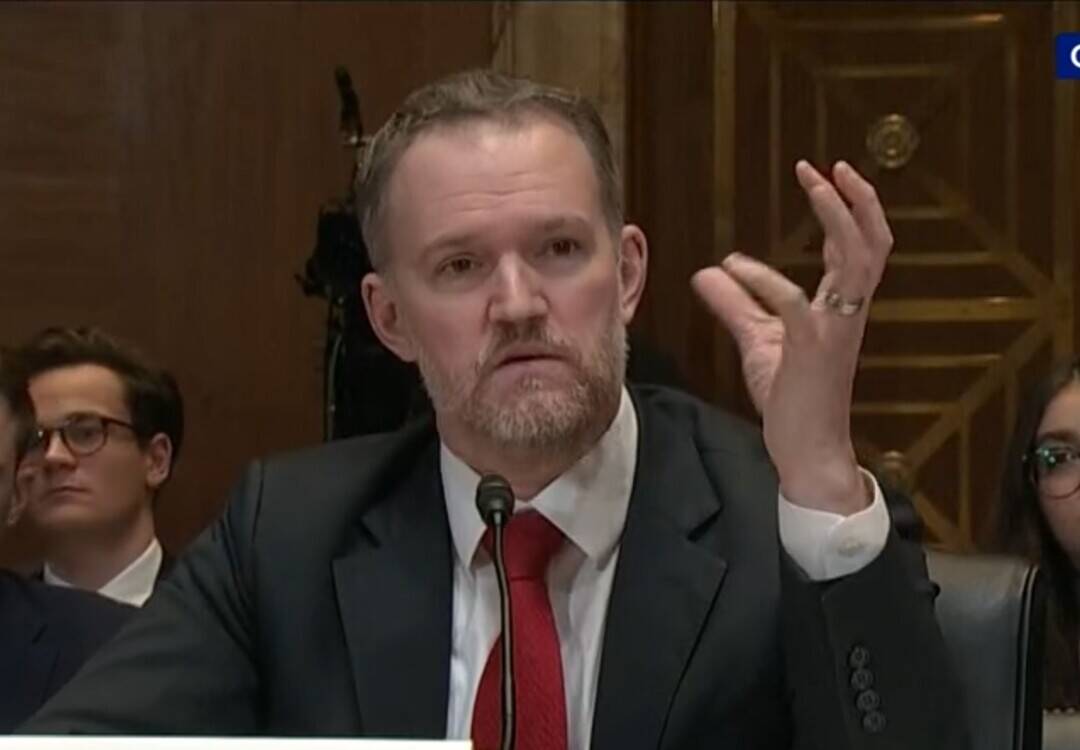
The relationship between the United States and China has been a complex and tumultuous one, with the two nations often finding themselves at odds over issues of trade, security, and diplomacy. In a recent statement, US Trade Representative Jamieson Greer succinctly captured the essence of this relationship, likening the economies of China and the US to a square and a circle – two shapes that, no matter how hard you try, simply cannot be made to fit together.
This analogy speaks to the fundamental differences between the two nations’ economic systems, values, and approaches to international trade. While the US has long been a champion of free market principles and open trade, China’s economy is characterized by a unique blend of state-led development and market-oriented reforms. This has led to numerous tensions and disagreements between the two nations, particularly in the area of trade.
One area where these tensions have been particularly pronounced is in the realm of agricultural exports. The US is a major producer of crops such as soybeans, corn, and wheat, and has long sought to expand its exports to countries around the world. However, in recent years, the US has faced significant challenges in its efforts to increase exports to China, due in part to the trade tensions and tariffs that have been imposed by both sides.
In response to these challenges, the US has begun to look elsewhere for new markets and opportunities for its agricultural exports. One country that has been identified as a key target for US exporters is India, a nation with a large and growing population, and a rapidly expanding economy. The US has been seeking to negotiate a bilateral trade agreement with India, which would provide new opportunities for US farmers and exporters to sell their products in the Indian market.
However, as US Trade Representative Jamieson Greer noted, the process of negotiating a trade agreement with India is not without its challenges. “There’s resistance in India to…row crops…They’re a very difficult nut to crack,” Greer said, highlighting the difficulties that the US has faced in its efforts to expand its agricultural exports to India.
One of the main obstacles that the US has faced in its efforts to increase agricultural exports to India is the country’s complex and often protectionist trade policies. India has a long history of protecting its domestic agricultural sector, and has imposed significant tariffs and other trade barriers on imports of agricultural products. This has made it difficult for US exporters to compete in the Indian market, and has limited the growth of US agricultural exports to the country.
Despite these challenges, the US remains committed to its efforts to expand trade with India, and to negotiate a bilateral trade agreement that would provide new opportunities for US exporters. The US sees India as a key partner in its efforts to diversify its trade relationships and reduce its dependence on the Chinese market. By expanding trade with India, the US hopes to create new opportunities for its farmers and exporters, and to promote economic growth and development in both countries.
In conclusion, the relationship between the US and China is a complex and often contentious one, with significant implications for the global economy and international trade. The US has been seeking to diversify its trade relationships and reduce its dependence on the Chinese market, and has identified India as a key target for its efforts to expand agricultural exports. However, as US Trade Representative Jamieson Greer noted, the process of negotiating a trade agreement with India is not without its challenges, and the US will need to work hard to overcome the obstacles that stand in its way.
News source: https://x.com/Sputnik_India/status/1998714309367521298
About the Author