China & US like square & circle, that’s why we turned to India but it’s hard nut to crack: US
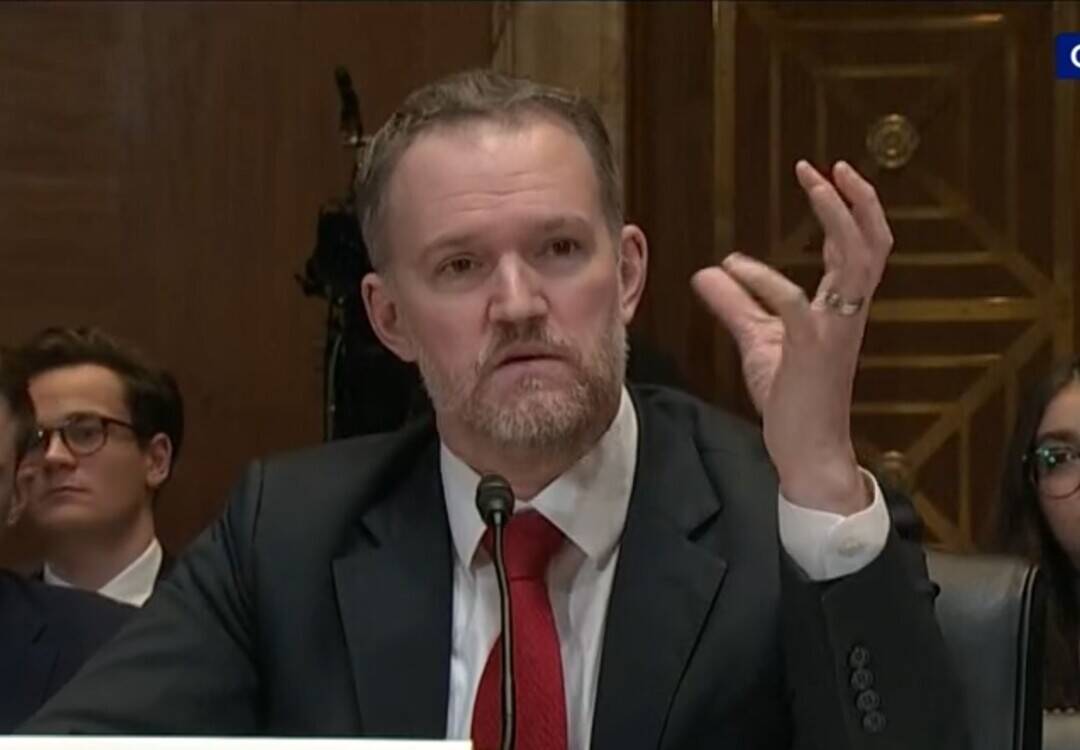
The United States and China have been engaged in a trade war for several years, with both countries imposing tariffs on each other’s goods. The tensions between the two nations have been escalating, and it seems that there is no end in sight to this trade dispute. Recently, US Trade Representative Jamieson Greer made a statement that highlights the complexities of the US-China trade relationship. Greer said that the economies of China and the US are like a square and a circle, which don’t sit together. This analogy suggests that the two countries have fundamentally different economic systems, making it challenging to find common ground.
The trade tensions between the US and China have led the US to explore other markets for its exports. One of the key areas of focus for the US is crop exports. The US is a significant producer of crops such as soybeans, corn, and wheat, and it is looking to diversify its export markets. Greer noted that it is helpful for the US to diversify its crop exports, which is why they have turned to India as a potential market. The US is seeking to negotiate a bilateral trade agreement with India, which would provide a boost to US crop exports.
However, Greer also acknowledged that India is a challenging market to crack. He stated that there is resistance in India to US row crops, such as soybeans and corn. Row crops are crops that are planted in rows, as opposed to crops like wheat, which are planted in fields. The resistance to US row crops in India is due to several factors, including tariffs, non-tariff barriers, and domestic production. India has a significant agricultural sector, and it is seeking to protect its domestic farmers from cheap imports.
Greer’s statement that India is a “hard nut to crack” suggests that the US is finding it challenging to make inroads into the Indian market. The US has been trying to negotiate a trade agreement with India for several years, but the talks have been slow-moving. The US is seeking greater access to the Indian market for its agricultural products, but India is reluctant to open up its market due to concerns about the impact on its domestic farmers.
The US-India trade relationship is complex, and there are several issues that need to be addressed. One of the key issues is the tariffs imposed by India on US agricultural products. India has imposed high tariffs on US crops such as soybeans and corn, making it difficult for US farmers to compete with domestic producers. The US is seeking to reduce these tariffs as part of a bilateral trade agreement.
Another issue is the non-tariff barriers imposed by India on US agricultural products. India has a number of regulations and standards that apply to imported agricultural products, which can make it difficult for US farmers to export their products to India. The US is seeking to streamline these regulations and standards to make it easier for US farmers to export their products to India.
Despite the challenges, the US is committed to negotiating a trade agreement with India. The US sees India as a significant market for its agricultural products, and it is seeking to increase its exports to India. The US is also seeking to strengthen its economic ties with India, which is a key partner in the region.
In conclusion, the US-China trade war has led the US to explore other markets for its exports, including India. However, India is a challenging market to crack, due to resistance to US row crops and other trade barriers. The US is seeking to negotiate a bilateral trade agreement with India, which would provide a boost to US crop exports. While there are challenges to be addressed, the US is committed to strengthening its economic ties with India, which is a key partner in the region.
The comments made by US Trade Representative Jamieson Greer highlight the complexities of the US-India trade relationship. The US is seeking to diversify its crop exports, and India is a significant market for US agricultural products. However, there are several issues that need to be addressed, including tariffs and non-tariff barriers. The US is committed to negotiating a trade agreement with India, which would provide a boost to US crop exports and strengthen economic ties between the two countries.
As the US seeks to negotiate a trade agreement with India, it is essential to understand the complexities of the US-India trade relationship. The US needs to address the concerns of Indian farmers and find ways to make US agricultural products more competitive in the Indian market. The US also needs to work with India to streamline regulations and standards, making it easier for US farmers to export their products to India.
The US-India trade relationship has the potential to be a significant one, with the US seeking to increase its exports of agricultural products to India. However, it will require careful negotiation and a willingness to address the concerns of both countries. The comments made by US Trade Representative Jamieson Greer highlight the challenges that need to be addressed, but they also suggest that the US is committed to strengthening its economic ties with India.
News source: https://x.com/Sputnik_India/status/1998714309367521298
About the Author