China & US like square & circle, that’s why we turned to India but it’s hard nut to crack: US
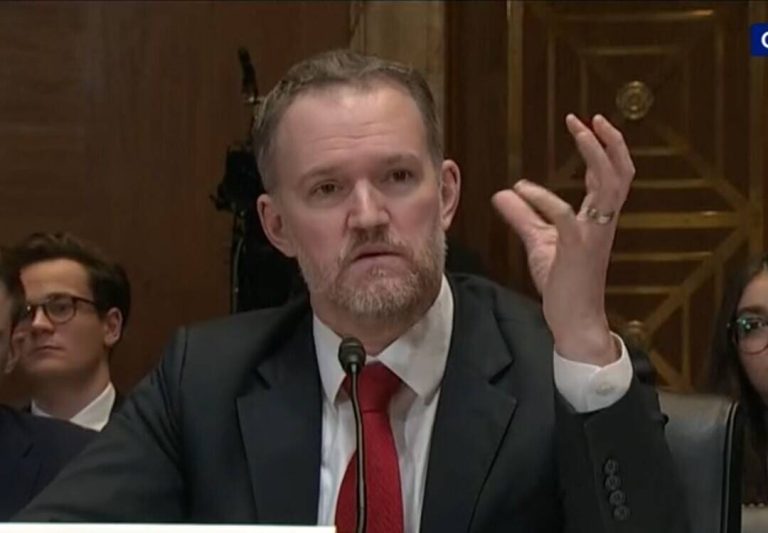
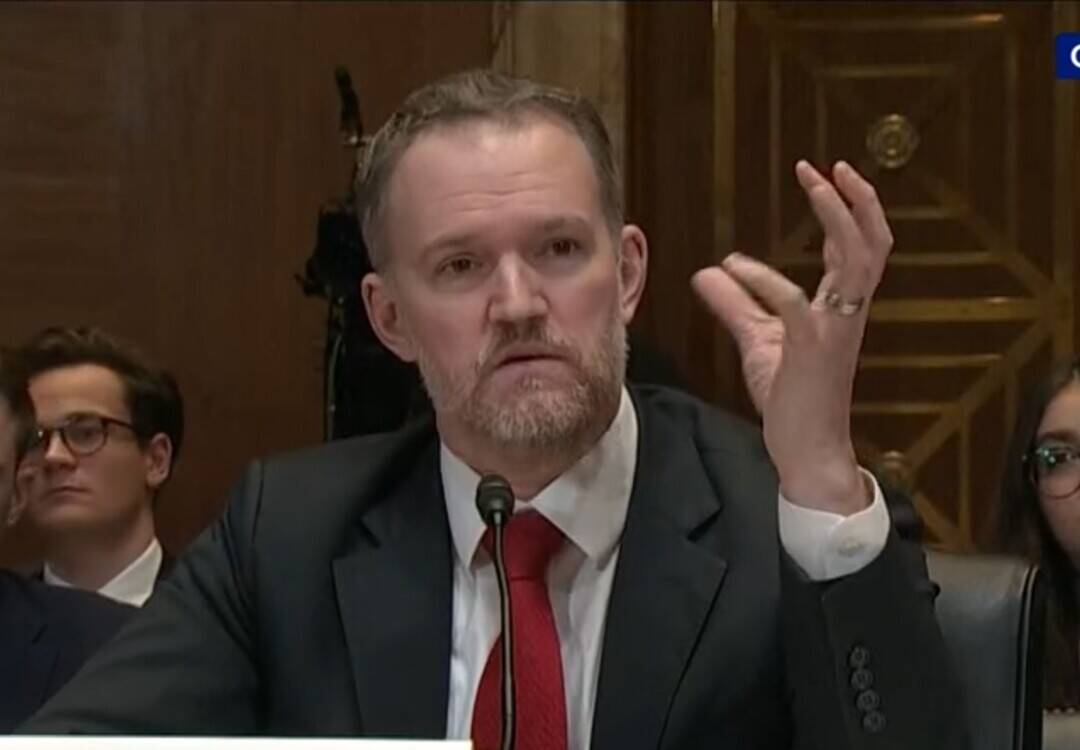
The United States and China have been embroiled in a trade war for several years, with tensions between the two nations showing no signs of easing. The US Trade Representative, Jamieson Greer, recently shed light on the challenges of doing business with China, likening their economies to a square and a circle that don’t sit together. This analogy highlights the fundamental differences between the two nations’ economic systems, making it difficult for them to find common ground. As a result, the US has been exploring alternative trade partners, with India being a key focus area. However, Greer cautioned that India is a “hard nut to crack,” particularly when it comes to exporting row crops.
The US and China have been engaged in a trade war since 2018, with both countries imposing tariffs on each other’s goods. The US has been seeking to reduce its trade deficit with China, while China has been trying to protect its domestic industries. The trade tensions between the two nations have had far-reaching consequences, affecting not just their bilateral trade but also the global economy. The US has been seeking to diversify its trade relationships, reducing its dependence on China and exploring new markets.
India has emerged as a key partner for the US in its efforts to diversify its trade relationships. The two countries have been negotiating a bilateral trade agreement, which is expected to boost trade between them. The US is keen to increase its exports to India, particularly in the agricultural sector. However, Greer noted that there is resistance in India to US row crops, such as corn and soybeans. This resistance is due to a combination of factors, including India’s desire to protect its domestic farmers and concerns about the impact of genetically modified crops on the environment.
The Indian government has been cautious in its approach to trade agreements, seeking to protect the interests of its domestic industries. The country has a large and diverse agricultural sector, with many small farmers who are vulnerable to competition from cheap imports. The government has been seeking to support these farmers through a range of measures, including subsidies and tariffs. However, this approach has made it challenging for the US to negotiate a trade agreement with India.
Despite the challenges, the US remains committed to negotiating a trade agreement with India. The two countries have been engaged in talks for several years, with the US seeking to increase its exports of agricultural products, including row crops. The US is also keen to increase its exports of other products, such as pharmaceuticals and medical devices. India, on the other hand, is seeking to increase its exports of textiles and apparel, as well as IT services.
The negotiations between the US and India are complex and involve a range of issues. The US is seeking to reduce India’s tariffs on agricultural products, while India is seeking to increase its exports of textiles and apparel. The two countries are also discussing issues such as intellectual property protection and trade facilitation. The negotiations are expected to be challenging, with both sides seeking to protect their domestic industries.
In addition to the bilateral trade agreement, the US and India are also collaborating on a range of other issues, including defense and security. The two countries have a strong strategic partnership, with the US seeking to support India’s emergence as a major power in the region. The US has been providing India with military equipment and technology, as well as training and logistics support. The two countries are also collaborating on counter-terrorism and cybersecurity issues.
In conclusion, the US and China have fundamentally different economic systems, making it challenging for them to do business together. The US has been seeking to diversify its trade relationships, with India emerging as a key partner. However, India is a “hard nut to crack,” particularly when it comes to exporting row crops. The US remains committed to negotiating a trade agreement with India, despite the challenges. The two countries have a range of issues to discuss, including tariffs, intellectual property protection, and trade facilitation. As the negotiations continue, it remains to be seen whether the US and India can reach a mutually beneficial agreement.
The comments by Jamieson Greer highlight the challenges of doing business with India, but also the opportunities. The US is keen to increase its exports to India, particularly in the agricultural sector. However, India’s resistance to US row crops is a significant hurdle that needs to be addressed. The US will need to be patient and flexible in its negotiations with India, seeking to find mutually beneficial solutions that address the concerns of both countries.
As the global economy continues to evolve, the US and India will need to work together to address the challenges and opportunities of the 21st century. The two countries have a range of common interests, from trade and investment to defense and security. By working together, they can promote economic growth, stability, and prosperity in the region.
News source: https://x.com/Sputnik_India/status/1998714309367521298
About the Author