China & US like square & circle, that’s why we turned to India but it’s hard nut to crack: US
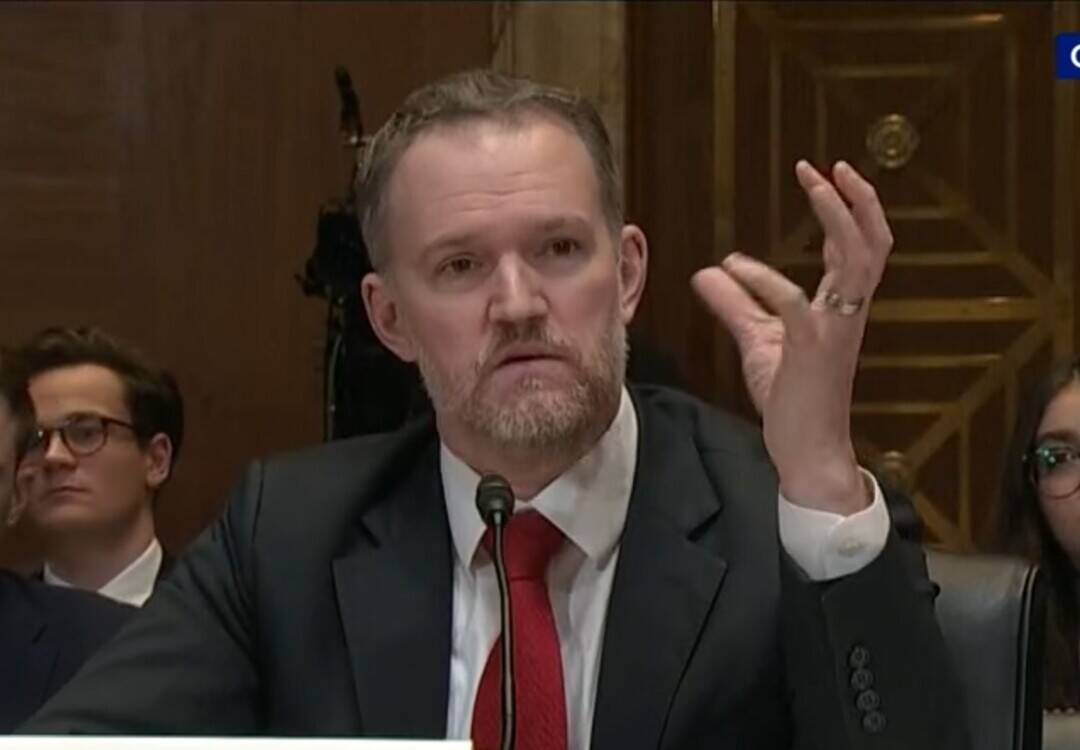
The United States and China have been engaged in a trade war for several years, with both countries imposing tariffs on each other’s goods. The tension between the two economic giants has been escalating, with no signs of easing up. Recently, US Trade Representative Jamieson Greer shed some light on the difficulties of dealing with China, comparing their economies to a square and a circle that don’t fit together. This analogy highlights the fundamental differences between the two countries’ economic systems, making it challenging to find common ground.
According to Greer, the US has been trying to diversify its crop exports, which has led them to explore new markets, including India. The US has been seeking to strengthen its trade ties with India, with the goal of signing a bilateral trade agreement. However, Greer acknowledged that dealing with India can be a daunting task, particularly when it comes to row crops. “There’s resistance in India to…row crops…They’re a very difficult nut to crack,” Greer said, emphasizing the challenges of navigating India’s complex agricultural sector.
The US has been trying to increase its agricultural exports to India, but the country’s protectionist policies and regulatory hurdles have made it difficult to make significant inroads. India has been hesitant to open up its market to US row crops, such as corn, soybeans, and wheat, due to concerns about the impact on its domestic farmers. The Indian government has been trying to protect its farmers by imposing tariffs and quotas on imported agricultural products, which has limited the US’s ability to export its crops to the country.
Despite these challenges, the US remains committed to strengthening its trade ties with India. The two countries have been engaged in talks to negotiate a bilateral trade agreement, which would aim to reduce tariffs and other trade barriers. The US sees India as a key market for its agricultural exports, and is hoping to increase its sales of row crops to the country. However, Greer’s comments suggest that the US is aware of the difficulties of dealing with India and is prepared to face resistance from the country’s protectionist lobby.
The comparison between the US and China’s economies as a square and a circle is an interesting one. It highlights the fundamental differences between the two countries’ economic systems, which can make it challenging to find common ground. The US has a market-based economy, which is driven by private enterprise and competition. In contrast, China has a state-led economy, which is driven by government intervention and control. These differences can make it difficult for the two countries to agree on trade policies and other economic issues.
The US’s decision to turn to India as a key market for its agricultural exports is a strategic one. India is a large and growing market, with a population of over 1.3 billion people. The country is also a significant producer of agricultural products, and the US sees an opportunity to increase its exports of row crops to the country. However, as Greer’s comments suggest, dealing with India can be a challenging task, particularly when it comes to navigating the country’s complex regulatory environment.
In conclusion, the US’s trade relationship with China is complex and challenging, with fundamental differences between the two countries’ economic systems. The US’s decision to turn to India as a key market for its agricultural exports is a strategic one, but it is not without its challenges. As Greer’s comments suggest, dealing with India can be a difficult task, particularly when it comes to navigating the country’s protectionist policies and regulatory hurdles. However, the US remains committed to strengthening its trade ties with India, and is hoping to increase its exports of row crops to the country.
The ongoing trade tensions between the US and China have significant implications for the global economy. The two countries are among the world’s largest economies, and their trade policies can have a significant impact on global trade flows. The US’s decision to impose tariffs on Chinese goods has led to a significant decline in trade between the two countries, which has had a ripple effect on the global economy. The US’s efforts to diversify its trade relationships, including its attempts to strengthen its ties with India, are seen as a way to reduce its dependence on China and mitigate the risks associated with the trade war.
As the global economy continues to evolve, it is likely that the US and India will play an increasingly important role in shaping global trade policies. The two countries have a significant opportunity to increase their trade ties, particularly in the area of agricultural exports. However, as Greer’s comments suggest, dealing with India can be a challenging task, particularly when it comes to navigating the country’s complex regulatory environment. Despite these challenges, the US remains committed to strengthening its trade ties with India, and is hoping to increase its exports of row crops to the country.
In the end, the US’s efforts to strengthen its trade ties with India are seen as a way to reduce its dependence on China and mitigate the risks associated with the trade war. The country’s decision to turn to India as a key market for its agricultural exports is a strategic one, and it is likely to have significant implications for the global economy. As the trade relationship between the US and India continues to evolve, it will be important to watch how the two countries navigate their differences and work towards a more cooperative trade relationship.
News Source: https://x.com/Sputnik_India/status/1998714309367521298
About the Author