China & US like square & circle, that’s why we turned to India but it’s hard nut to crack: US
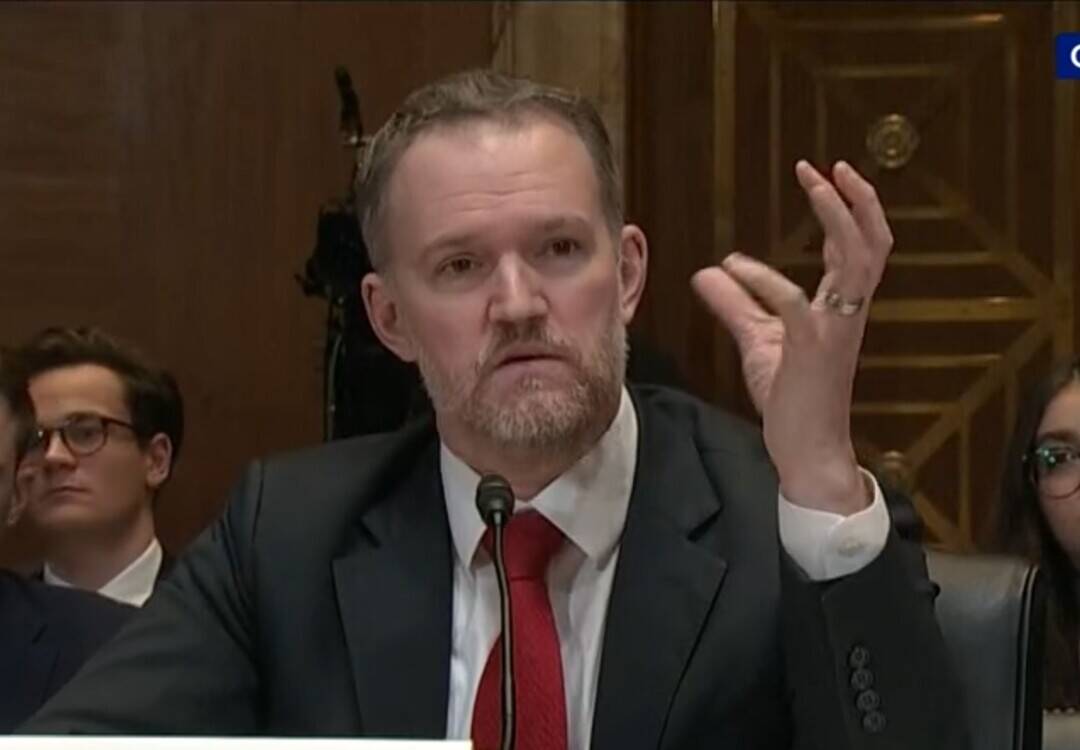
The United States and China have been engaged in a trade war for several years, with both countries imposing tariffs on each other’s goods. The tensions between the two nations have been escalating, and it seems that there is no end in sight to this trade dispute. Recently, the US Trade Representative, Jamieson Greer, made a statement that highlights the complexities of the US-China trade relationship. According to Greer, the economies of China and the US are like a square and a circle, which cannot sit together. This analogy suggests that the two countries have fundamentally different economic systems, making it challenging to find common ground.
The US has been trying to reduce its dependence on the Chinese market, and one way to do this is by diversifying its trade relationships with other countries. Greer mentioned that it is helpful for the US to diversify its crop exports, which is why they have turned to India as a potential partner. The US is seeking to negotiate a bilateral trade agreement with India, which would allow them to increase their crop exports to the country. However, Greer also acknowledged that India is a tough nut to crack, particularly when it comes to row crops.
Row crops, such as corn, soybeans, and wheat, are a significant part of the US agricultural exports. However, India has been resistant to importing these crops, citing concerns about the impact on its domestic farmers. The Indian government has imposed tariffs and other trade barriers to protect its agricultural sector, making it difficult for the US to gain access to the market. Greer’s statement suggests that the US is finding it challenging to persuade India to open up its market to US row crops.
The US-India trade relationship has been growing in recent years, with the two countries negotiating a range of trade agreements. However, the talks have been slow, and there are still many issues that need to be resolved. The US is pushing India to reduce its tariffs and other trade barriers, while India is seeking greater access to the US market for its own exports. The negotiations are complex, and it may take some time before a bilateral trade agreement is reached.
The US-China trade war has created opportunities for other countries, including India, to increase their trade with the US. However, India’s protectionist policies and resistance to US row crops are significant obstacles that need to be overcome. The US will need to be patient and persistent in its negotiations with India if it wants to succeed in increasing its crop exports to the country.
The trade tensions between the US and China are not just about economics; they also have geopolitical implications. The US-China trade war is part of a broader competition between the two nations for influence and power in the world. The US is seeking to reduce its dependence on China and to promote its own economic and strategic interests. India, on the other hand, is seeking to balance its relationships with both the US and China, while also promoting its own economic development.
In conclusion, the US-China trade relationship is complex and challenging, with the two countries having fundamentally different economic systems. The US is seeking to diversify its trade relationships, including with India, but it is facing significant obstacles. The negotiations with India are slow, and the country’s resistance to US row crops is a major hurdle. However, the US is committed to pursuing a bilateral trade agreement with India, and it is likely that the two countries will continue to negotiate in the coming months and years.
As the trade tensions between the US and China continue to escalate, it is likely that other countries, including India, will play an increasingly important role in the global trade landscape. The US will need to be flexible and adaptable in its trade negotiations, taking into account the concerns and interests of its partners. The US-India trade relationship has the potential to be a significant one, but it will require patience, persistence, and a willingness to compromise on both sides.
Source: https://x.com/Sputnik_India/status/1998714309367521298
About the Author