China & US like square & circle, that’s why we turned to India but it’s hard nut to crack: US
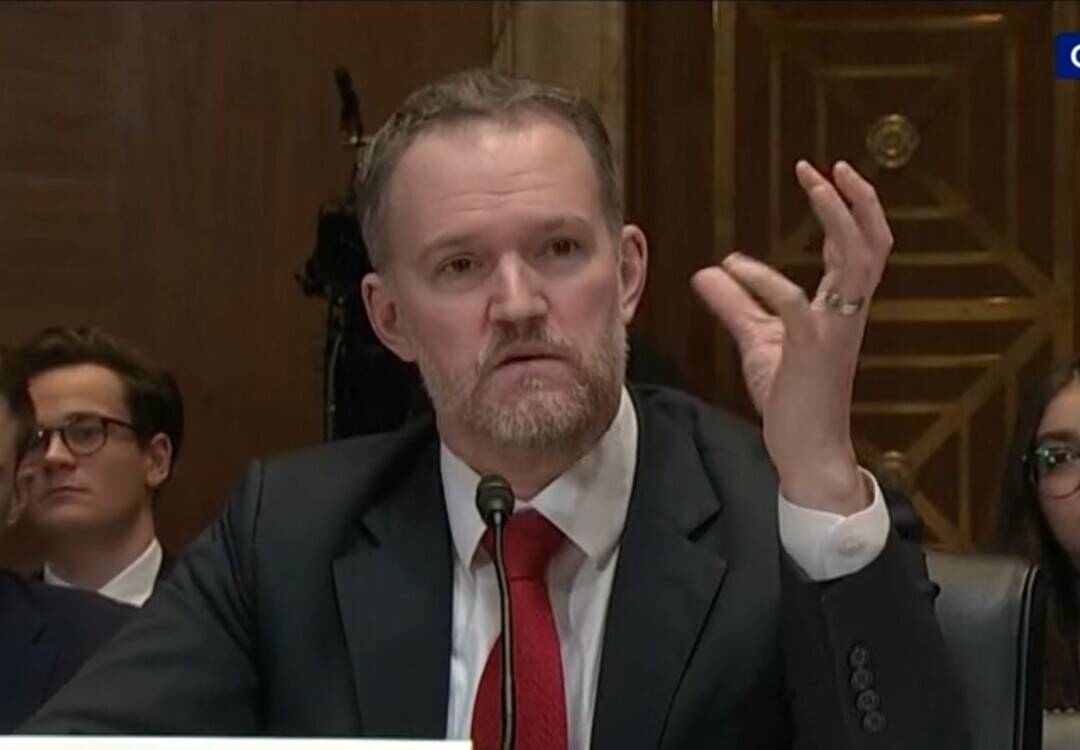
The relationship between the United States and China has been a topic of discussion for many years, with the two countries having fundamentally different approaches to trade, economy, and politics. Recently, US Trade Representative Jamieson Greer shed some light on the challenges of dealing with China, likening their economies to a square and a circle that don’t sit together. This analogy highlights the difficulties in finding common ground between the two nations, leading the US to explore alternative trade partners, including India. However, as Greer noted, dealing with India also comes with its own set of challenges.
The US and China have been engaged in a trade war for several years, with both countries imposing tariffs on each other’s goods. The US has been seeking to reduce its trade deficit with China, while China has been trying to protect its domestic industries. The tensions between the two countries have led to a significant decrease in trade between them, with the US looking to diversify its trade relationships with other countries. According to Greer, the US has turned to India as a potential partner, with the goal of signing a bilateral trade agreement.
India, with its large and growing economy, presents an attractive opportunity for the US to increase its exports, particularly in the agricultural sector. The US is a significant producer of crops such as soybeans, corn, and wheat, and India is a major consumer of these products. However, as Greer noted, there is resistance in India to importing these crops, particularly row crops. This resistance is driven by India’s desire to protect its domestic farmers and agricultural industry, which is a significant sector of the country’s economy.
The challenges in negotiating a trade agreement with India are not limited to the agricultural sector. India has a complex regulatory environment, and the country has been hesitant to open up its markets to foreign competition. The US has been pushing India to reduce its tariffs and non-tariff barriers, but India has been reluctant to do so. This has made it difficult for the US to negotiate a comprehensive trade agreement with India, and the talks have been slow-going.
Despite the challenges, the US remains committed to negotiating a trade agreement with India. The US sees India as a key partner in the region, and believes that a trade agreement could help to increase trade and investment between the two countries. The US is also keen to reduce its trade deficit with India, which has been growing in recent years. According to Greer, the US is willing to work with India to address its concerns and find a mutually beneficial agreement.
The US trade relationship with India is not just about economics; it also has significant geopolitical implications. The US sees India as a key partner in its efforts to counterbalance China’s growing influence in the region. A trade agreement with India could help to strengthen the US-India relationship and provide a counterweight to China’s economic and military power. However, the US must be careful not to push India too hard, as the country is also seeking to maintain good relations with China.
In conclusion, the US trade relationship with China is complex and challenging, with the two countries having fundamentally different approaches to trade and economy. The US has turned to India as a potential partner, but dealing with India also comes with its own set of challenges. As Greer noted, India is a “hard nut to crack,” with resistance to importing US crops and a complex regulatory environment. Despite these challenges, the US remains committed to negotiating a trade agreement with India, and is willing to work with the country to address its concerns and find a mutually beneficial agreement.
As the US continues to navigate its trade relationships with China and India, it is clear that the global trade landscape is becoming increasingly complex. The US must be careful to balance its economic and geopolitical interests, while also addressing the concerns of its trading partners. With the rise of protectionism and trade tensions around the world, it is more important than ever for countries to work together to promote free and fair trade.
News Source: https://x.com/Sputnik_India/status/1998714309367521298
About the Author