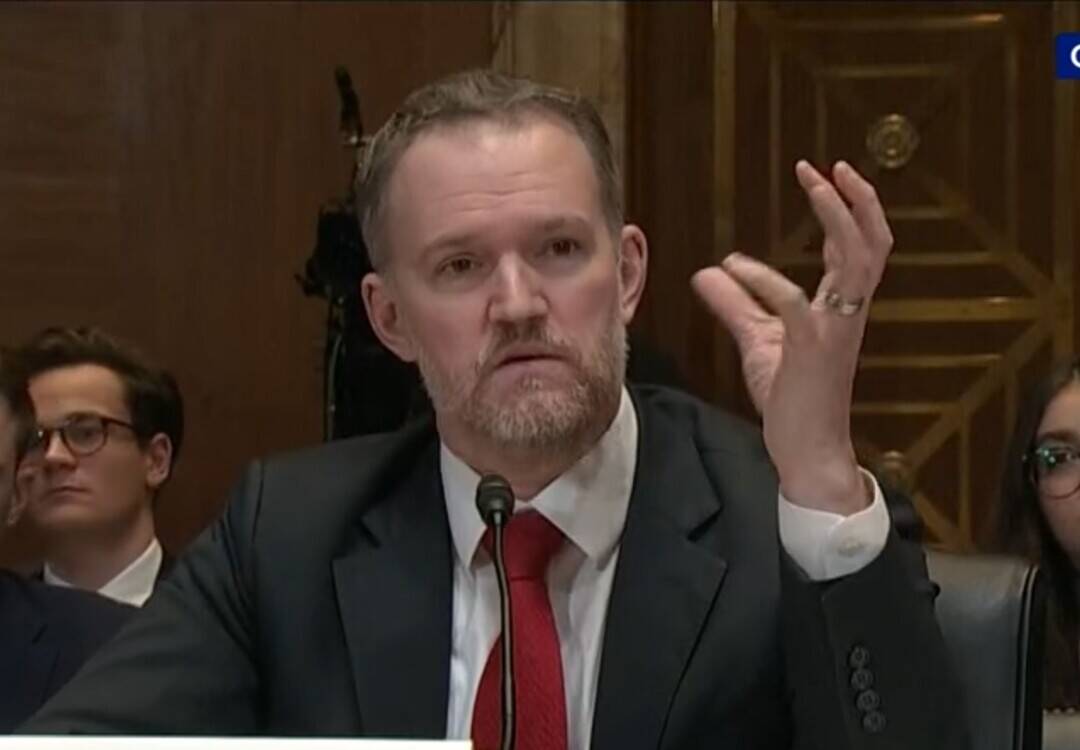
China & US like square & circle, that’s why we turned to India but it’s hard nut to crack: US
The United States and China have been engaged in a trade war for several years, with both countries imposing tariffs on each other’s goods. The tensions between the two nations have been escalating, and it seems that there is no end in sight to this trade dispute. Recently, US Trade Representative Jamieson Greer made a statement that highlights the complexities of the US-China trade relationship. According to Greer, the economies of China and the US are like a square and a circle, which don’t sit together. This analogy suggests that the two countries have fundamentally different economic systems, making it challenging to find common ground.
The US has been trying to reduce its dependence on the Chinese market, and one way to do this is by diversifying its export markets. Speaking about US crop exports, Greer emphasized the importance of diversification. The US is a significant producer of crops such as soybeans, corn, and wheat, and these products are in high demand globally. By expanding its export markets, the US can reduce its reliance on any one country, including China. This strategy can help the US to mitigate the risks associated with trade tensions and fluctuations in global demand.
In an effort to diversify its export markets, the US has turned to India as a potential partner. The two countries have been negotiating a bilateral trade agreement, which could provide a significant boost to US crop exports. India is a large and growing market, with a population of over 1.3 billion people. The country has a diverse economy, with a growing middle class and an increasing demand for high-quality food products. The US sees India as an attractive market for its crop exports, and a bilateral trade agreement could provide a framework for increased trade between the two countries.
However, Greer also noted that there are challenges in negotiating a trade agreement with India. According to him, there is resistance in India to US row crops, such as corn and soybeans. Row crops are crops that are planted in rows, and they are a significant part of US agricultural production. The resistance to these crops in India is due to various factors, including concerns about the impact of US agricultural products on Indian farmers and the country’s food security.
Greer described India as a “very difficult nut to crack” in terms of negotiating a trade agreement. This suggests that the US is facing significant challenges in its efforts to expand its trade relationship with India. The Indian government has been cautious in its approach to trade agreements, and there are many stakeholders who are opposed to increased imports of US agricultural products. The US will need to address these concerns and find ways to build trust with Indian policymakers and stakeholders if it is to succeed in its efforts to expand trade with India.
The US-India trade relationship has been growing in recent years, but there are still many challenges that need to be addressed. The two countries have different economic systems, and there are significant differences in their approaches to trade policy. The US is a strong advocate of free trade, while India has been more cautious in its approach to trade liberalization. These differences can create tensions and challenges in the trade relationship, and they will need to be addressed if the two countries are to achieve their goals of increased trade and economic cooperation.
In conclusion, the US-China trade relationship is complex and challenging, and the US is seeking to diversify its export markets to reduce its dependence on China. India is a potential partner for the US, but there are challenges in negotiating a trade agreement with the country. The US will need to address the concerns of Indian policymakers and stakeholders if it is to succeed in its efforts to expand trade with India. As Greer noted, India is a “very difficult nut to crack,” but the potential rewards of a successful trade agreement make it an effort worth pursuing.
The US and India have a long history of trade and economic cooperation, and there are many areas where the two countries can work together to promote economic growth and development. The US is a significant investor in India, and many US companies have operations in the country. India is also an important market for US exports, and there are many opportunities for US businesses to expand their sales in the country.
As the US and India continue to negotiate a bilateral trade agreement, there are many issues that will need to be addressed. The two countries will need to find ways to build trust and cooperation, and they will need to work together to address the challenges and concerns that exist in the trade relationship. The US will need to be patient and flexible in its approach to trade negotiations with India, and it will need to be willing to make concessions and compromises to achieve its goals.
The potential benefits of a US-India trade agreement are significant, and they could have a major impact on the economies of both countries. The agreement could provide a framework for increased trade in goods and services, and it could help to promote economic growth and development in both countries. The agreement could also help to strengthen the strategic partnership between the US and India, and it could promote cooperation on a range of issues, including security, energy, and environmental protection.
In addition to the economic benefits, a US-India trade agreement could also have significant geopolitical implications. The agreement could help to promote stability and security in the Asia-Pacific region, and it could help to counterbalance the influence of China. The US and India have a shared interest in promoting a free and open Indo-Pacific region, and a trade agreement could help to advance this goal.
In summary, the US is seeking to diversify its export markets and reduce its dependence on China, and India is a potential partner in this effort. While there are challenges in negotiating a trade agreement with India, the potential benefits are significant, and they make it an effort worth pursuing. The US will need to be patient and flexible in its approach to trade negotiations with India, and it will need to be willing to make concessions and compromises to achieve its goals.
News source: https://x.com/Sputnik_India/status/1998714309367521298
About the Author