China & US like square & circle, that’s why we turned to India but it’s hard nut to crack: US
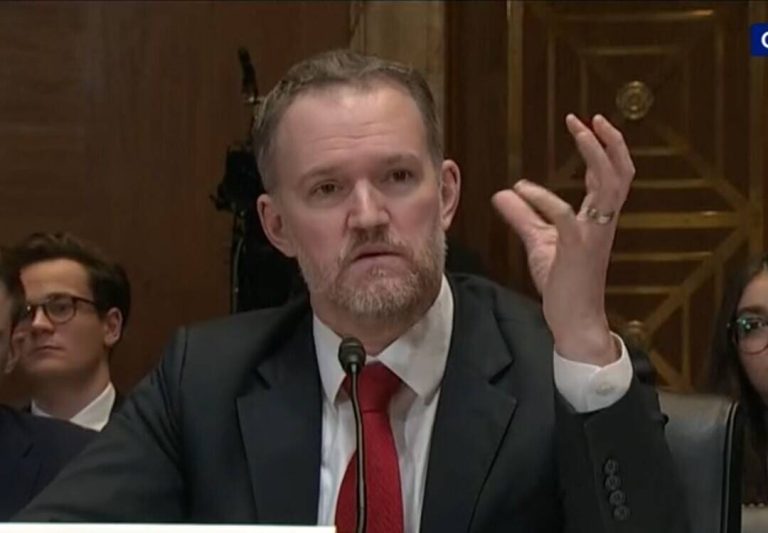
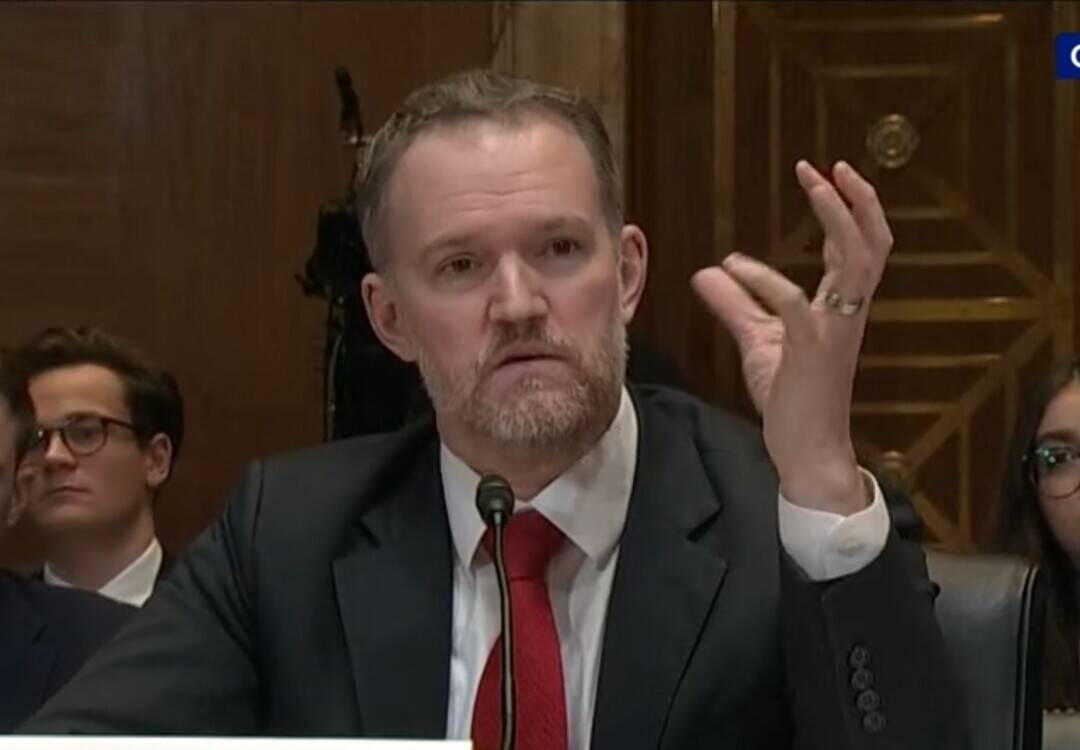
The relationship between China and the US has been a topic of discussion for years, with both countries being two of the world’s largest economies. However, according to US Trade Representative Jamieson Greer, the economies of China and the US are like a square and a circle, which don’t sit together. This analogy highlights the fundamental differences between the two countries’ economic systems and approaches to trade. In a recent statement, Greer explained that this disparity is one of the reasons why the US has been looking to diversify its trade relationships, with a particular focus on India.
The US has been seeking to strengthen its trade ties with India, with the goal of negotiating a bilateral trade agreement. This move is driven by the desire to reduce dependence on China and to tap into India’s vast and growing market. As Greer noted, diversification is essential for the US, particularly when it comes to crop exports. The US is a significant producer of agricultural products, and finding new markets for these exports is crucial for the country’s farmers and the broader economy.
India, with its large and growing population, presents an attractive opportunity for the US to expand its agricultural exports. However, as Greer cautioned, the Indian market is not without its challenges. “There’s resistance in India to…row crops…They’re a very difficult nut to crack,” he added. Row crops, such as corn, soybeans, and wheat, are a significant component of US agricultural exports, but they face significant competition in the Indian market.
One of the main reasons for the resistance to US row crops in India is the country’s own agricultural sector. India is a major producer of agricultural products, and the government has implemented policies to support domestic farmers and protect the industry. For example, India has imposed tariffs and other trade barriers on imported agricultural products, making it difficult for US exporters to compete.
Another challenge facing the US in its efforts to expand agricultural exports to India is the issue of market access. India has a complex and often bureaucratic system for approving imports, which can make it difficult for US exporters to navigate. Additionally, there are concerns about the quality and safety of imported products, which can further limit market access.
Despite these challenges, the US remains committed to pursuing a bilateral trade agreement with India. Such an agreement would provide a framework for the two countries to address trade barriers and other issues, and could help to increase US exports to India. As Greer noted, diversification is essential for the US, and India presents a significant opportunity for the country to expand its trade relationships.
The US-India trade relationship is not without its successes, however. In recent years, the two countries have made significant progress in areas such as defense cooperation and energy trade. The US has also been a major investor in India, with many American companies establishing operations in the country.
In conclusion, the US Trade Representative’s comments highlight the challenges and opportunities presented by the US-India trade relationship. While the economies of China and the US may be like a square and a circle, the US is seeking to diversify its trade relationships and tap into new markets. India, with its large and growing population, presents an attractive opportunity for the US to expand its agricultural exports. However, as Greer cautioned, the Indian market is a hard nut to crack, and the US will need to navigate complex trade barriers and other challenges to succeed.
As the US continues to pursue a bilateral trade agreement with India, it will be important to monitor the progress of these negotiations and the impact on US exports. The US-India trade relationship has the potential to be a significant driver of economic growth for both countries, and it will be interesting to see how this relationship evolves in the coming years.
Source: https://x.com/Sputnik_India/status/1998714309367521298
About the Author