China & US like square & circle, that’s why we turned to India but it’s hard nut to crack: US
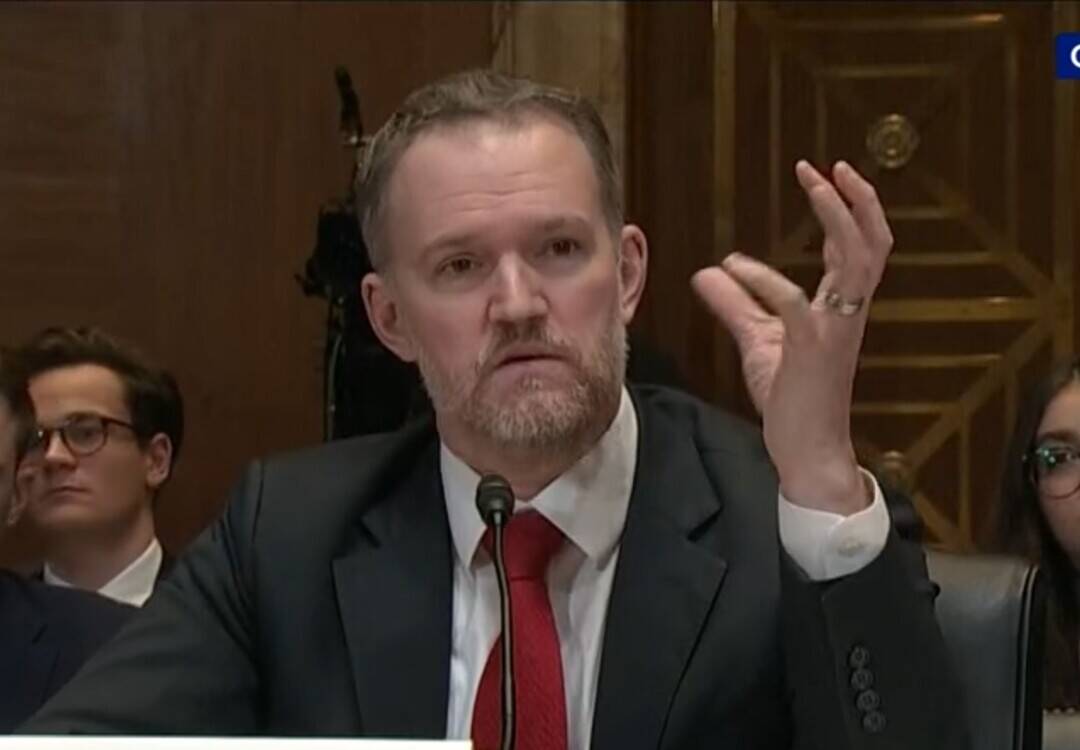
The relationship between the United States and China has been a topic of discussion for many years, with both countries being two of the world’s largest economies. However, according to US Trade Representative Jamieson Greer, the economies of China and the US are like a square and a circle, which don’t sit together. This analogy highlights the fundamental differences between the two economies, making it challenging for them to work together seamlessly.
Speaking at a recent event, Greer emphasized the importance of diversification for the US, particularly when it comes to crop exports. The US has been looking to expand its trade relationships with other countries, and India has emerged as a key partner in this endeavor. The two countries have been engaged in discussions over a bilateral trade agreement, which aims to increase trade between them.
However, Greer noted that the Indian market is not an easy one to crack, especially when it comes to row crops. “There’s resistance in India to…row crops…They’re a very difficult nut to crack,” he added. This statement highlights the challenges that the US faces in trying to increase its crop exports to India. Despite these challenges, the US remains committed to diversifying its trade relationships and is working to negotiate a trade agreement with India that benefits both countries.
The US has been one of the world’s largest exporters of agricultural products, and India is a significant market for these exports. However, the Indian government has been cautious in opening up its market to foreign agricultural products, citing concerns about the impact on domestic farmers. This has made it challenging for the US to increase its crop exports to India, despite the growing demand for these products in the country.
The bilateral trade agreement between the US and India is expected to cover a range of areas, including agriculture, manufacturing, and services. The agreement aims to reduce trade barriers and increase market access for businesses in both countries. However, the negotiations have been slow, and it remains to be seen whether the two countries can reach a mutually beneficial agreement.
One of the key challenges in the negotiations is the issue of market access for US agricultural products. The Indian government has been resistant to opening up its market to foreign agricultural products, citing concerns about the impact on domestic farmers. The US, on the other hand, has been pushing for greater market access for its agricultural products, including row crops.
Despite these challenges, the US remains committed to negotiating a trade agreement with India. The US Trade Representative has been engaged in talks with his Indian counterpart, and the two countries have made progress in some areas. However, the negotiations are complex, and it will take time to reach a mutually beneficial agreement.
The US-India trade relationship is significant, not just for the two countries but also for the global economy. The US is one of the world’s largest economies, and India is a rapidly growing economy with a large and growing middle class. A trade agreement between the two countries could have a significant impact on global trade and investment flows.
In addition to the bilateral trade agreement, the US and India are also working together on a range of other issues, including trade facilitation and regulatory cooperation. The two countries have established a number of working groups to address specific issues, such as trade in services and investment.
The US-India trade relationship is also significant in the context of the broader geopolitical landscape. The US has been looking to diversify its trade relationships, particularly in the Asia-Pacific region, as part of its strategy to counterbalance the growing influence of China. India is a key partner in this endeavor, and the two countries have been working together to promote economic cooperation and stability in the region.
In conclusion, the US Trade Representative’s comment that China and the US are like a square and a circle highlights the fundamental differences between the two economies. The US has turned to India as a key partner in its efforts to diversify its trade relationships, particularly in the area of crop exports. However, the Indian market is a hard nut to crack, and the US faces significant challenges in trying to increase its crop exports to the country. Despite these challenges, the US remains committed to negotiating a bilateral trade agreement with India, which could have a significant impact on global trade and investment flows.
Source: https://x.com/Sputnik_India/status/1998714309367521298
About the Author