China & US like square & circle, that’s why we turned to India but it’s hard nut to crack: US
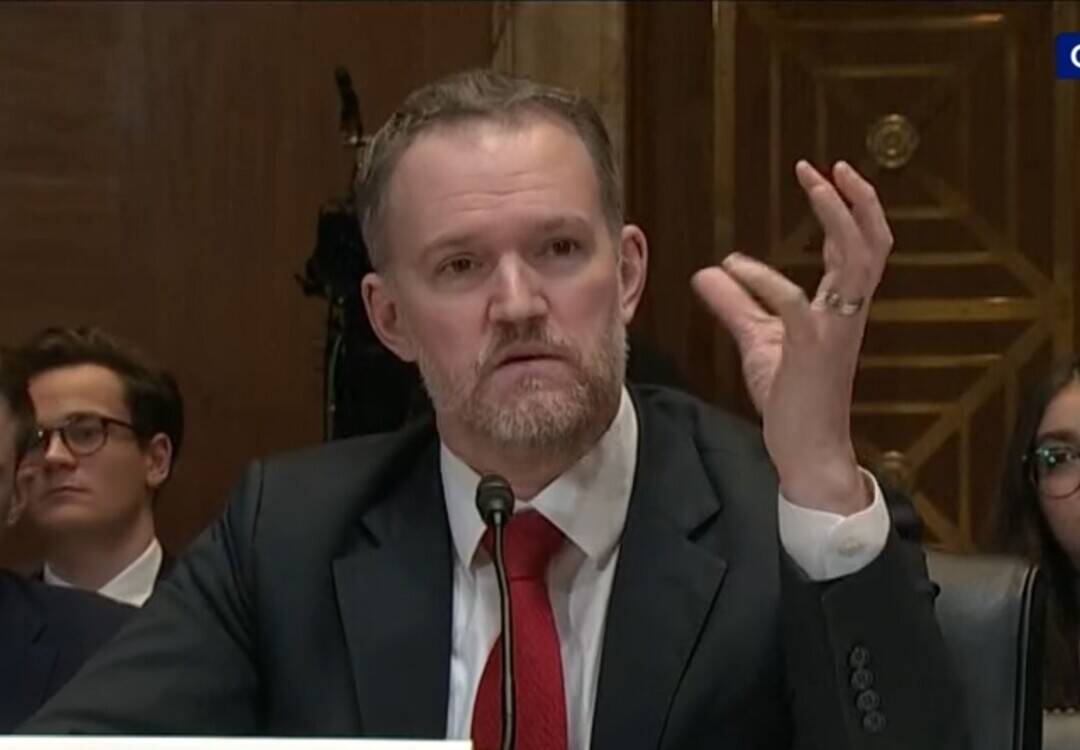
The United States and China have been engaged in a trade war for several years, with both countries imposing tariffs on each other’s goods. The tensions between the two economic giants have been escalating, with no end in sight. Recently, US Trade Representative Jamieson Greer made a statement that highlights the difficulties in the US-China trade relationship. According to Greer, the economies of China and the US are like a square and a circle, which don’t sit together. This analogy suggests that the two countries have fundamentally different economic systems, making it challenging to find common ground.
The US has been seeking to diversify its trade relationships, and one of the countries it has turned to is India. The US has been pursuing a bilateral trade agreement with India, which it hopes will help to increase its crop exports. However, Greer noted that there is resistance in India to US row crops, such as corn and soybeans. “They’re a very difficult nut to crack,” Greer added, indicating that the US is facing significant challenges in its efforts to expand its agricultural exports to India.
The US-India trade relationship has been growing in recent years, with the US seeking to increase its exports of goods such as agricultural products, energy, and defense equipment. India, on the other hand, has been seeking to increase its exports of goods such as textiles, pharmaceuticals, and technology products. However, the trade relationship between the two countries is still relatively small compared to the US-China trade relationship.
One of the main challenges facing the US in its efforts to expand its trade relationship with India is the protectionist policies of the Indian government. India has a complex system of tariffs and non-tariff barriers, which can make it difficult for foreign companies to access the Indian market. The Indian government has also been reluctant to open up its agricultural sector to foreign competition, which has been a major sticking point in the US-India trade negotiations.
Despite these challenges, the US remains committed to expanding its trade relationship with India. The US sees India as a key partner in its efforts to diversify its trade relationships and reduce its dependence on China. The US has also been seeking to strengthen its strategic partnership with India, which includes cooperation on defense, security, and energy issues.
The US-India trade agreement is still in the works, and it is unclear when it will be finalized. However, the US is hopeful that an agreement can be reached in the near future, which will help to increase its exports of goods such as row crops to India. Greer’s comments suggest that the US is aware of the challenges it faces in its efforts to expand its trade relationship with India, but it is committed to finding a way forward.
In conclusion, the US-China trade relationship is complex and challenging, with the two countries having fundamentally different economic systems. The US has turned to India as a key partner in its efforts to diversify its trade relationships, but it is facing significant challenges in its efforts to expand its agricultural exports to India. The US remains committed to finding a way forward, and it is hopeful that a bilateral trade agreement with India can be finalized in the near future.
As the global trade landscape continues to evolve, it will be interesting to see how the US-India trade relationship develops. The US is seeking to reduce its dependence on China and expand its trade relationships with other countries, including India. However, the challenges facing the US in its efforts to expand its trade relationship with India are significant, and it will require careful negotiation and diplomacy to overcome them.
The comments made by US Trade Representative Jamieson Greer highlight the difficulties facing the US in its efforts to expand its trade relationship with India. The Indian government’s protectionist policies and reluctance to open up its agricultural sector to foreign competition are major sticking points in the US-India trade negotiations. However, the US remains committed to finding a way forward, and it is hopeful that a bilateral trade agreement with India can be finalized in the near future.
As the world’s two largest economies, the US and China have a significant impact on the global trade landscape. The trade tensions between the two countries have been escalating, with no end in sight. The US has been seeking to diversify its trade relationships, and India is a key partner in this effort. However, the challenges facing the US in its efforts to expand its trade relationship with India are significant, and it will require careful negotiation and diplomacy to overcome them.
In the end, the US-India trade relationship has the potential to be a significant factor in the global trade landscape. The US is seeking to reduce its dependence on China and expand its trade relationships with other countries, including India. While the challenges facing the US in its efforts to expand its trade relationship with India are significant, the potential benefits of a bilateral trade agreement are substantial. As the global trade landscape continues to evolve, it will be interesting to see how the US-India trade relationship develops.
News Source: https://x.com/Sputnik_India/status/1998714309367521298
About the Author