China & US like square & circle, that’s why we turned to India but it’s hard nut to crack: US
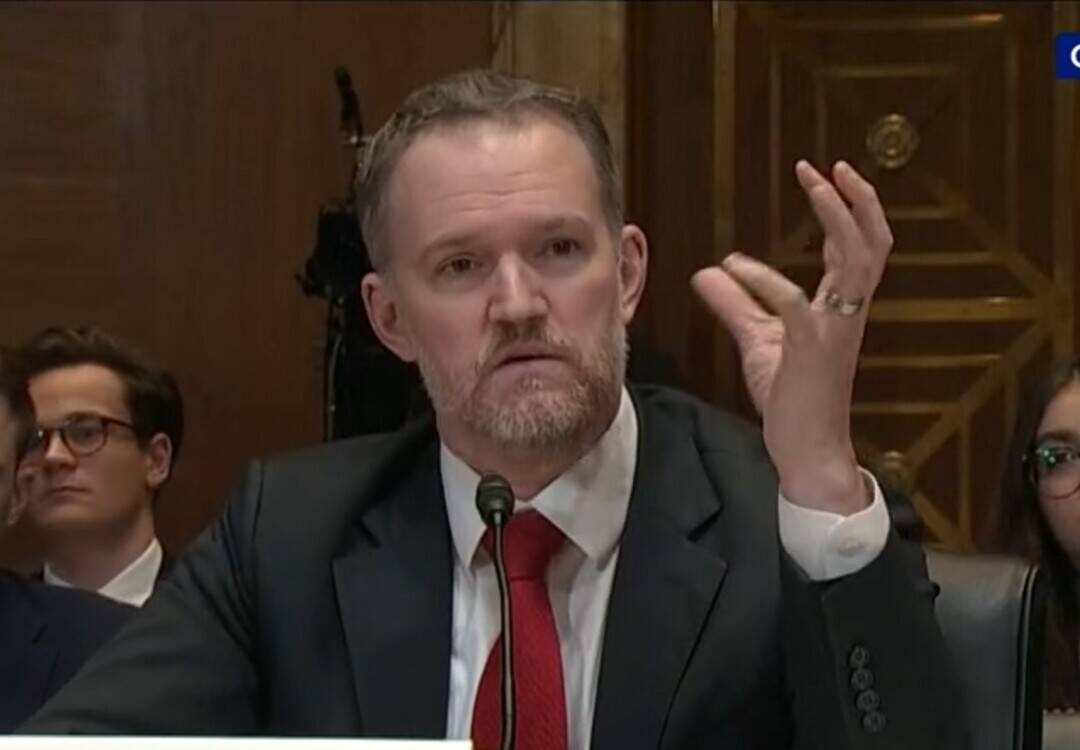
The relationship between the United States and China has been a complex and tumultuous one, with both nations having vastly different economies, political systems, and cultural values. In a recent statement, US Trade Representative Jamieson Greer likened the two economies to a square and a circle, highlighting the difficulties in finding common ground and facilitating smooth trade between the two nations. This analogy is particularly apt, as the square and circle are two geometric shapes that cannot be superimposed on each other, no matter how hard one tries. Similarly, the economies of the US and China have fundamentally different structures, making it challenging to reconcile their differences and achieve a mutually beneficial trade agreement.
According to Greer, the US has been seeking to diversify its trade relationships and reduce its dependence on the Chinese market. One of the key strategies employed by the US has been to explore new trade opportunities with other nations, particularly in the Asia-Pacific region. India, with its large and growing economy, has emerged as a prime target for US trade diplomacy. The US has been actively pursuing a bilateral trade agreement with India, with the aim of increasing trade in goods and services between the two nations.
However, as Greer noted, the Indian market is not without its challenges. The country has a complex and often protectionist trade regime, which can make it difficult for foreign companies to penetrate the market. Additionally, there are significant cultural and linguistic barriers that can hinder trade and investment between the US and India. Greer specifically mentioned that there is resistance in India to US row crops, which are a significant component of American agricultural exports. Row crops, such as corn, soybeans, and wheat, are staples of the US agricultural sector, but they face significant competition in the Indian market from domestic producers.
Greer’s comment that India is a “hard nut to crack” is a testament to the difficulties faced by US trade negotiators in their efforts to secure a bilateral trade agreement with the country. Despite the challenges, the US remains committed to pursuing a trade deal with India, recognizing the significant potential benefits that such an agreement could bring. A bilateral trade agreement between the US and India could lead to increased trade in goods and services, creation of new jobs, and greater economic growth for both nations.
The US-India trade relationship is not without its successes, however. In recent years, the two nations have made significant progress in increasing trade in areas such as defense, energy, and technology. The US has also been a significant investor in the Indian economy, with many American companies establishing operations in the country. Nevertheless, there is still much work to be done to realize the full potential of the US-India trade relationship.
The US-China trade relationship, on the other hand, remains a major source of tension and uncertainty. The two nations have been engaged in a protracted trade war, with each side imposing tariffs and other trade restrictions on the other. The conflict has had significant implications for the global economy, leading to increased trade costs, reduced investment, and slower economic growth. While there have been periodic efforts to negotiate a trade agreement between the US and China, a lasting resolution to the conflict remains elusive.
In conclusion, the relationship between the US and China is indeed like a square and a circle, with fundamental differences in their economies and trade regimes making it challenging to achieve a mutually beneficial trade agreement. The US has turned to India as a key partner in its efforts to diversify its trade relationships, but the Indian market is not without its challenges. As Greer noted, India is a “hard nut to crack,” but the potential benefits of a bilateral trade agreement between the US and India make it an effort worth pursuing.
The US will need to be patient and persistent in its efforts to secure a trade deal with India, recognizing that the process will likely be long and challenging. However, the potential rewards of such an agreement make it an effort worth undertaking. As the global trade landscape continues to evolve, the US will need to remain agile and adaptable, seeking out new trade opportunities and navigating the complexities of the international trade system.
Source: https://x.com/Sputnik_India/status/1998714309367521298
About the Author