China & US like square & circle, that’s why we turned to India but it’s hard nut to crack: US
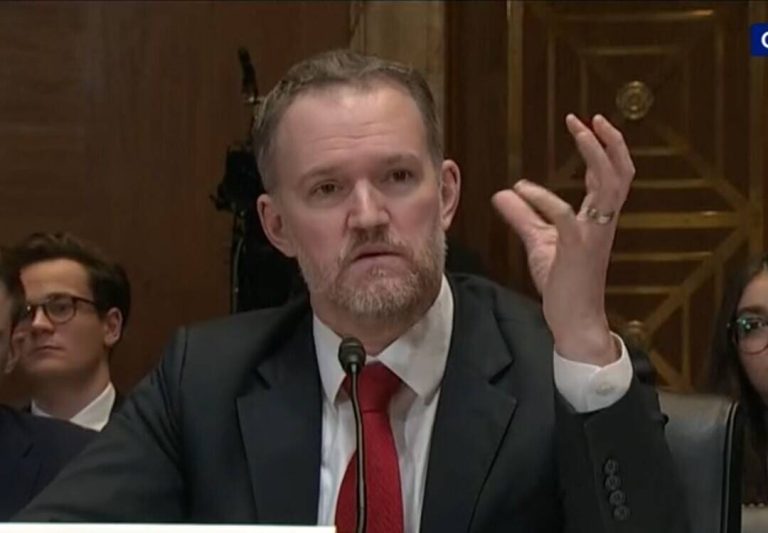
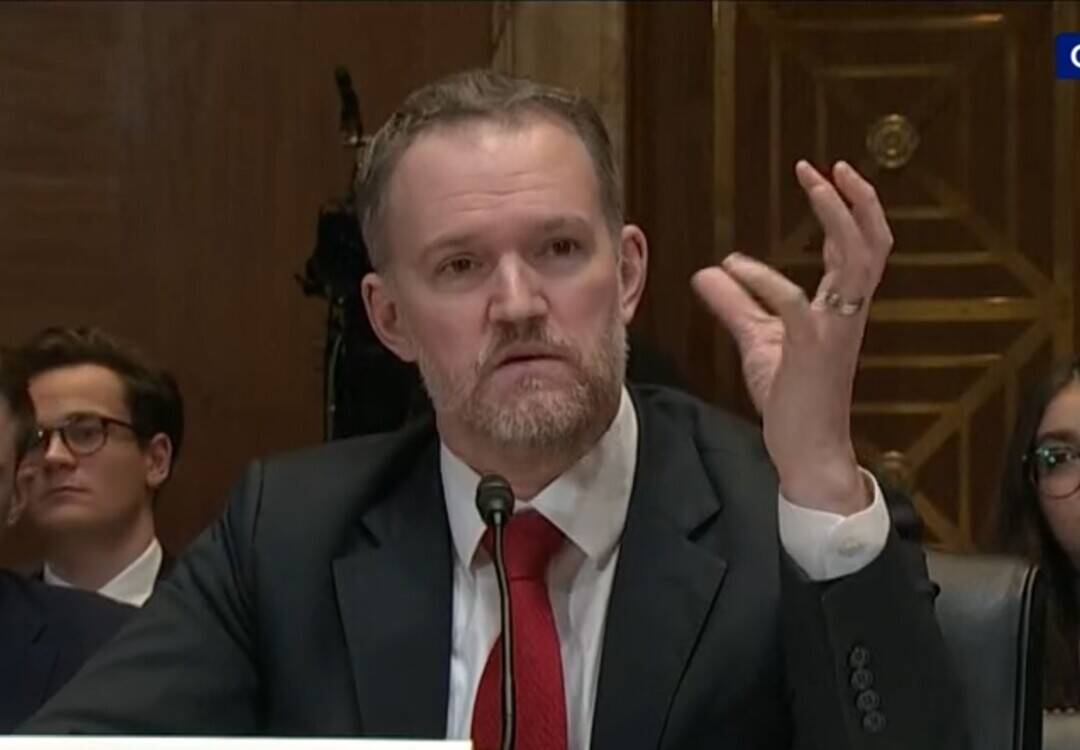
The relationship between China and the US has been a complex and tumultuous one, with both countries having fundamentally different economic systems and ideologies. The US Trade Representative, Jamieson Greer, recently made a thought-provoking statement, likening the economies of China and the US to a square and a circle, implying that they are inherently incompatible and cannot “sit together” seamlessly. This analogy highlights the deep-seated differences between the two nations, making it challenging for them to find common ground and cooperate on trade and economic issues.
The US has been actively seeking to diversify its trade relationships and reduce its dependence on China, with which it has a significant trade deficit. One of the key strategies employed by the US is to strengthen its trade ties with other countries, particularly in the Asia-Pacific region. India, with its large and growing economy, has emerged as an attractive partner for the US. The two countries have been engaged in negotiations to conclude a bilateral trade agreement, which is expected to boost trade in goods and services between them.
Speaking about the US’ crop exports, Greer emphasized the importance of diversification for the US economy. The US is a significant producer of agricultural products, including row crops such as corn, soybeans, and wheat. However, the country’s agricultural exports have been heavily reliant on the Chinese market, which has been subject to fluctuations and uncertainties. By diversifying its export markets, the US aims to reduce its vulnerability to trade disruptions and ensure a more stable and predictable revenue stream for its farmers.
India, with its vast and growing middle class, presents a lucrative market for US agricultural exports. However, as Greer noted, there is significant resistance in India to the importation of row crops, which are a crucial component of US agricultural exports. The Indian government has been cautious in its approach to trade liberalization, particularly with regards to agricultural products, due to concerns about the impact on domestic farmers and the country’s food security.
Greer’s comment that India is a “hard nut to crack” reflects the challenges faced by the US in its efforts to negotiate a trade agreement with India. The Indian government has been hesitant to open up its agricultural market to US exports, citing concerns about the potential displacement of domestic farmers and the impact on the country’s agricultural sector. The US has been pushing for greater market access for its agricultural products, but India has been resistant to these demands, leading to a stalemate in the negotiations.
Despite these challenges, the US remains committed to concluding a trade agreement with India, which is seen as a critical partner in the region. The US has been engaged in intensive negotiations with India, seeking to address the country’s concerns and find mutually beneficial solutions. The outcome of these negotiations will have significant implications for the US agricultural sector, as well as the broader trade relationship between the two countries.
The US’ efforts to diversify its trade relationships and reduce its dependence on China are driven by a desire to promote greater stability and predictability in its trade relationships. The country’s experience with China has been marked by tensions and uncertainties, with the two countries engaging in a protracted trade war that has had significant impacts on the global economy. By strengthening its trade ties with other countries, including India, the US aims to reduce its vulnerability to trade disruptions and promote a more stable and secure trade environment.
In conclusion, the relationship between China and the US is complex and challenging, with the two countries having fundamentally different economic systems and ideologies. The US has been seeking to diversify its trade relationships and reduce its dependence on China, with India emerging as a key partner in this effort. While there are significant challenges to be overcome, particularly with regards to India’s resistance to US agricultural exports, the US remains committed to concluding a trade agreement with India. The outcome of these negotiations will have significant implications for the US agricultural sector, as well as the broader trade relationship between the two countries.
News Source: https://x.com/Sputnik_India/status/1998714309367521298
About the Author