China & US like square & circle, that’s why we turned to India but it’s hard nut to crack: US
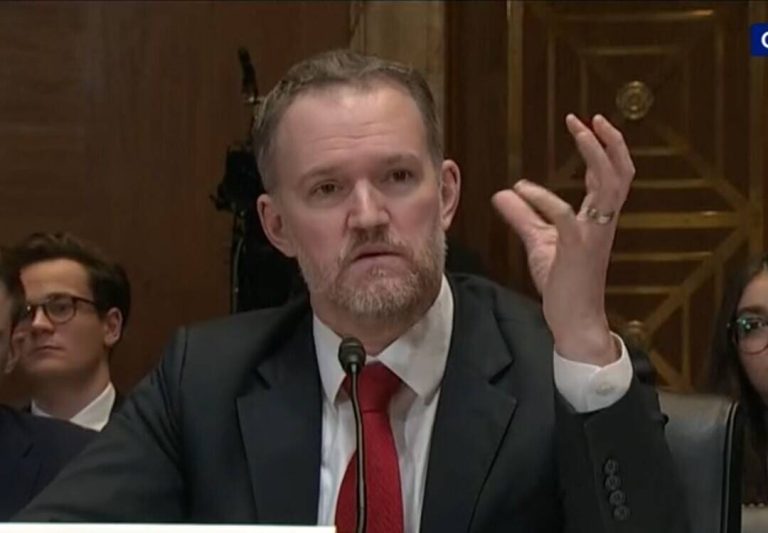
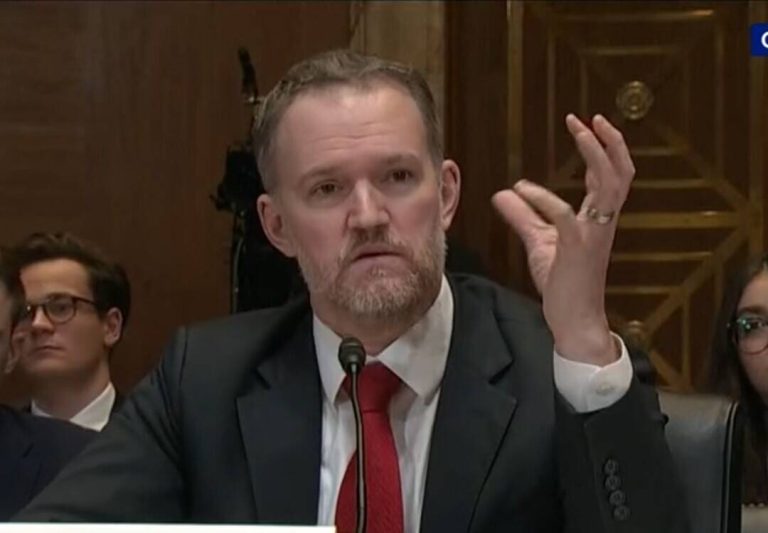
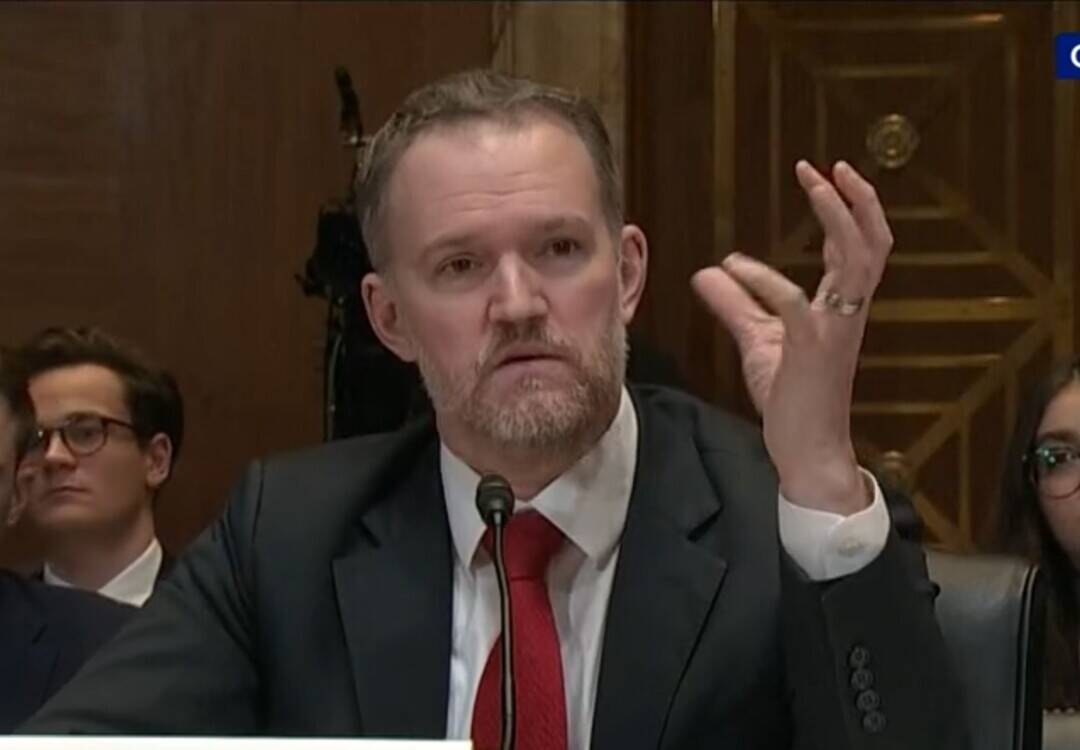
The relationship between the United States and China has been a topic of discussion for many years, with the two nations having fundamentally different approaches to trade and economics. According to US Trade Representative Jamieson Greer, the economies of China and the US are like a square and a circle, two shapes that cannot fit together seamlessly. This analogy highlights the challenges that the US faces in dealing with China, and the reasons why the US has been exploring alternative trade partnerships, including a bilateral agreement with India.
The US has long been a major player in the global economy, with a strong focus on trade and exports. However, the country’s trade relationship with China has been a source of tension in recent years, with disputes over issues such as tariffs, intellectual property, and market access. The US has been seeking to diversify its trade relationships and reduce its dependence on China, which is why it has turned to other countries, including India, as a potential partner.
Speaking about US crop exports, Greer noted that it is helpful for the US to diversify its trade relationships, particularly when it comes to agricultural products. The US is a major producer of crops such as corn, soybeans, and wheat, and these products are in high demand around the world. By expanding its trade relationships with countries like India, the US hopes to increase its exports and reduce its reliance on the Chinese market.
However, Greer also acknowledged that dealing with India can be challenging. “There’s resistance in India to…row crops…They’re a very difficult nut to crack,” he said. Row crops, such as corn and soybeans, are a key part of the US agricultural sector, but they may not be as easily accepted in the Indian market. India has its own agricultural sector, and the country has traditionally been protective of its domestic farmers. As a result, the US may face significant resistance in its efforts to increase its crop exports to India.
Despite these challenges, the US remains committed to pursuing a bilateral trade agreement with India. The two countries have been in talks for several years, and there are hopes that a deal could be reached in the near future. Such an agreement would be a major boost to the US agricultural sector, as it would provide new market access opportunities for American farmers.
The US-India trade relationship has been growing in recent years, with bilateral trade reaching a record high of over $120 billion in 2020. The US is one of India’s largest trading partners, and India is also an important market for US exports. However, there are still significant barriers to trade between the two countries, including tariffs, regulatory hurdles, and other non-tariff barriers.
To overcome these challenges, the US and India will need to work closely together to negotiate a trade agreement that benefits both countries. This will require a significant amount of effort and diplomacy, as well as a willingness to compromise and find common ground. However, the potential rewards are well worth the effort, as a US-India trade agreement could help to boost economic growth, create jobs, and increase prosperity in both countries.
In conclusion, the US and China have fundamentally different economies, which makes it challenging for the two countries to have a smooth trade relationship. As a result, the US has turned to other countries, including India, as a potential trade partner. While dealing with India can be challenging, particularly when it comes to crop exports, the US remains committed to pursuing a bilateral trade agreement with the country. Such an agreement would be a major boost to the US agricultural sector, and would help to diversify the country’s trade relationships.
As the US and India continue to negotiate a trade agreement, it will be important to watch for developments in the coming months. The potential for a US-India trade deal is significant, and could have major implications for the global economy. Whether or not the two countries can overcome their differences and reach a mutually beneficial agreement remains to be seen, but one thing is clear: the US is committed to expanding its trade relationships with countries like India, and is willing to put in the effort required to make it happen.
News source: https://x.com/Sputnik_India/status/1998714309367521298
About the Author