China expels 3 top military officials amid anti-corruption drive
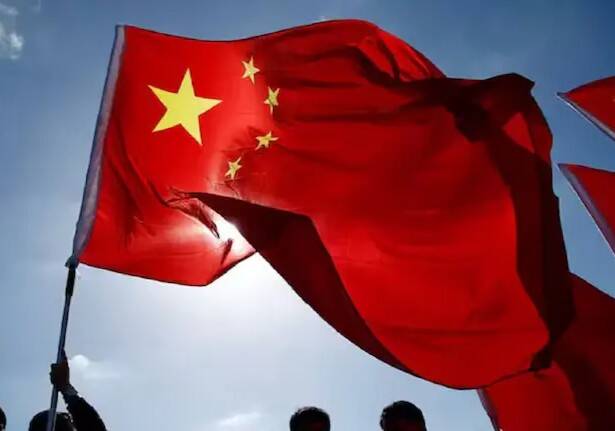
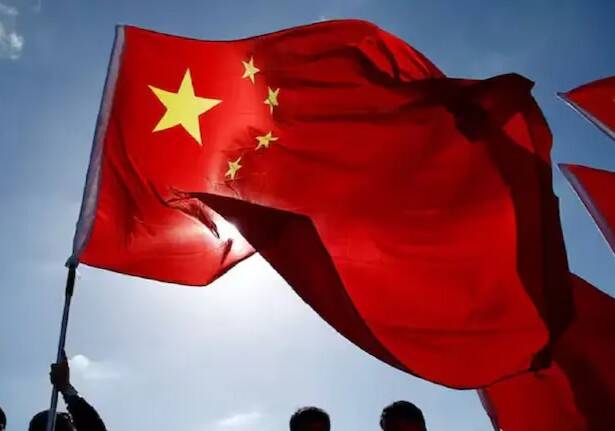
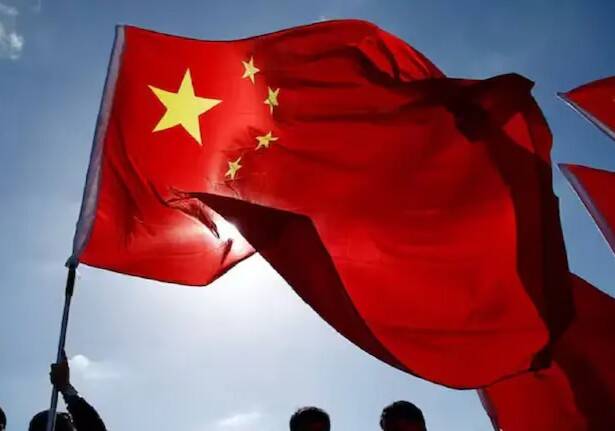
In a significant move, China’s Standing Committee of the National People’s Congress has formally expelled three senior military officials as part of the country’s ongoing anti-corruption drive. The expulsions are a clear indication of the Chinese government’s commitment to rooting out corruption and ensuring the integrity of its military institutions. The officials who have been removed from their positions are Wang Renhua, head of the Central Military Commission’s (CMC) political and legal affairs committee; Zhang Hongbing, political commissar of the People’s Armed Police; and Wang Peng, director of the CMC’s training department.
The expulsions are the latest in a series of high-profile anti-corruption measures taken by the Chinese government in recent years. The drive, which was initiated by President Xi Jinping, aims to tackle corruption and abuse of power within the country’s military and government institutions. The campaign has already led to the downfall of several high-ranking officials, including former CMC vice-chairman Xu Caihou and former Politburo member Zhou Yongkang.
The expulsion of the three military officials is a significant development in the anti-corruption drive, as it highlights the government’s determination to tackle corruption at all levels of the military. Wang Renhua, who was the head of the CMC’s political and legal affairs committee, was responsible for overseeing the military’s legal and disciplinary affairs. His expulsion suggests that the government is taking a close look at the military’s internal governance and is committed to ensuring that its institutions are free from corruption.
Zhang Hongbing, the political commissar of the People’s Armed Police, was a key figure in the military’s internal security apparatus. His expulsion is likely to have significant implications for the military’s internal security structures and may lead to further changes within the People’s Armed Police. Wang Peng, the director of the CMC’s training department, was responsible for overseeing the military’s training programs. His expulsion may indicate that the government is looking to reform the military’s training structures and ensure that they are aligned with its overall strategic objectives.
The expulsions are also significant because they demonstrate the government’s willingness to take action against high-ranking officials who are accused of corruption. The move is likely to send a strong message to other officials within the military and government institutions that corruption will not be tolerated. The government’s anti-corruption drive has already led to the prosecution of thousands of officials, and the expulsion of the three military officials is a clear indication that the campaign is ongoing and will continue to target high-ranking officials.
The Chinese government’s anti-corruption drive has been widely praised by international observers, who see it as a significant step towards improving governance and reducing corruption within the country’s institutions. The drive has also been seen as a key component of President Xi Jinping’s efforts to consolidate power and ensure the stability of the Chinese Communist Party.
However, some critics have raised concerns about the lack of transparency and accountability within the anti-corruption drive. The government’s reliance on internal disciplinary procedures has led to concerns that the campaign may be used as a tool for political repression, rather than a genuine effort to tackle corruption. The expulsion of the three military officials has also raised questions about the extent to which the government is willing to tolerate dissent and criticism within its institutions.
Despite these concerns, the expulsion of the three military officials is a significant development in China’s anti-corruption drive. The move demonstrates the government’s commitment to tackling corruption and ensuring the integrity of its military institutions. The expulsions are also likely to have significant implications for the military’s internal structures and may lead to further changes within the country’s defense establishments.
In conclusion, the expulsion of three top military officials by China’s Standing Committee of the National People’s Congress is a significant move in the country’s ongoing anti-corruption drive. The expulsions demonstrate the government’s commitment to tackling corruption and ensuring the integrity of its military institutions. While concerns have been raised about the lack of transparency and accountability within the anti-corruption drive, the move is a clear indication that the government is serious about rooting out corruption and ensuring the stability of its institutions.
About the Author