Brown University Gunman Linked to MIT Prof Nuno’s Murder: Report
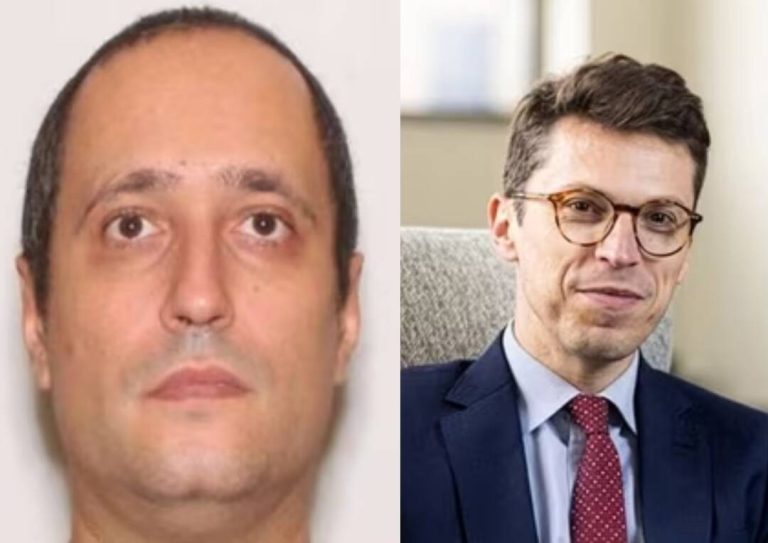
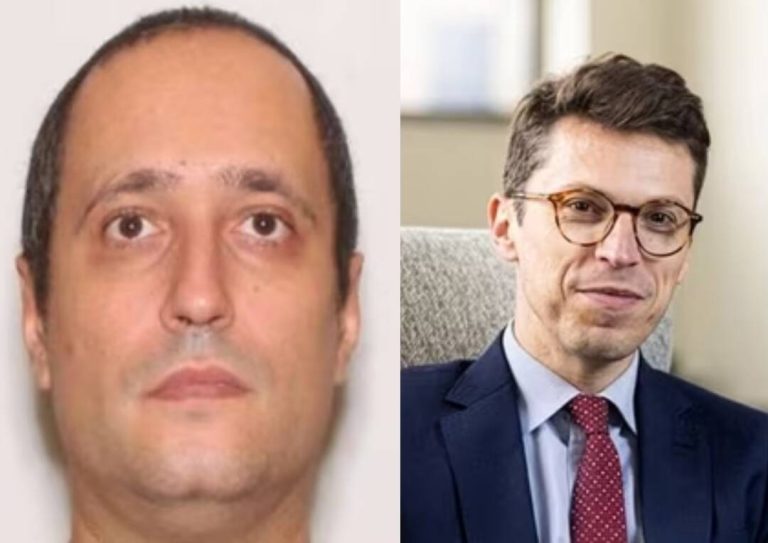
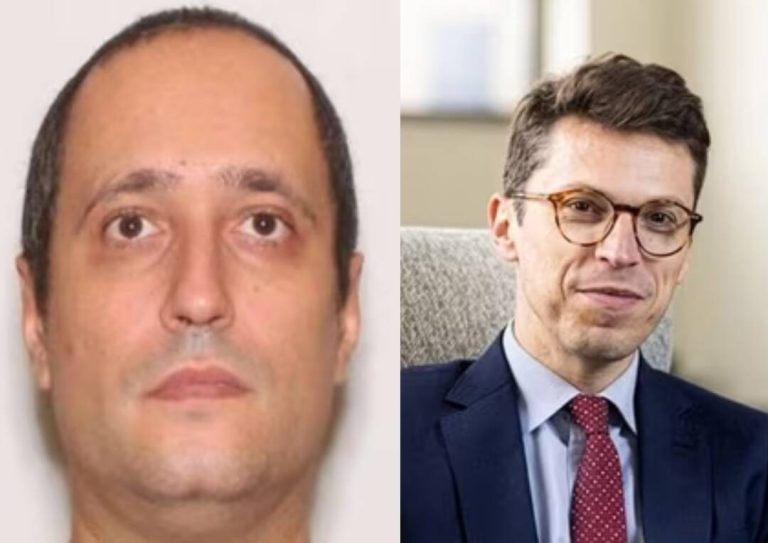
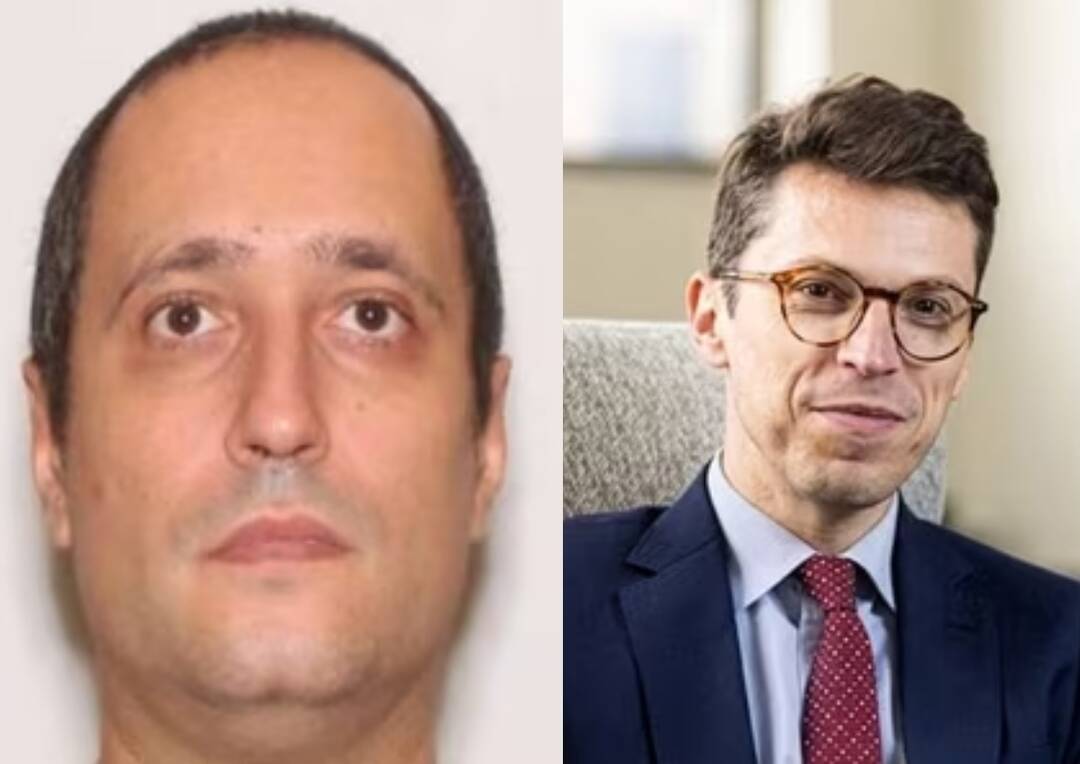
A shocking turn of events has unfolded in the United States, where a gunman who opened fire at Brown University has been linked to the murder of a Massachusetts Institute of Technology (MIT) professor. According to a report by the New York Post, Claudio Valente, the 48-year-old shooter, had a connection to MIT nuclear science professor Nuno Loureiro that dates back as far as 30 years. This disturbing revelation has raised more questions than answers, leaving many to wonder about the nature of their relationship and the events that led to the tragic outcome.
On a fateful day, Valente carried out a shooting spree at Brown University, killing two people and injuring several others. The incident sent shockwaves across the nation, with many struggling to comprehend the motivations behind such a heinous act. However, what was even more shocking was that Valente went on to murder Professor Loureiro at his home in Massachusetts just two days later. The connection between the two incidents was not immediately apparent, but as investigators dug deeper, they uncovered a link between Valente and Loureiro that spanned over three decades.
The roots of their connection can be traced back to the period between 1995 and 2000, when both Valente and Loureiro were associated with the Instituto Superior Técnico in Portugal. Although the exact nature of their relationship during this time is still unclear, it is believed that they may have crossed paths during their time at the institution. Whether they were friends, acquaintances, or merely colleagues is still a matter of speculation, but it is evident that their lives intersected in some way.
As the investigation into the shootings and murder continues, authorities are working to piece together the events that led to the tragic outcome. The fact that Valente and Loureiro had a connection that dated back 30 years raises questions about the potential motives behind the attacks. Was Valente seeking revenge for a past grievance, or was there a more complex dynamic at play? The answers to these questions may take time to emerge, but one thing is certain – the link between Valente and Loureiro is a crucial aspect of the case.
The MIT community has been left reeling in the aftermath of Professor Loureiro’s murder. Colleagues and students have remembered him as a dedicated and passionate educator, who made significant contributions to the field of nuclear science. His loss has been felt deeply, and the fact that his death may be linked to a gunman with a 30-year connection to him has only added to the sense of shock and tragedy.
As the authorities continue to investigate the case, many are left to wonder about the potential warning signs that may have been missed. Could anyone have predicted that Valente would carry out such a horrific act, or was it a completely random event? The fact that Valente was able to carry out two separate attacks, resulting in the loss of multiple lives, raises questions about the effectiveness of the security measures in place at Brown University and the community at large.
In the wake of this tragedy, it is essential to acknowledge the devastating impact that gun violence can have on individuals, families, and communities. The loss of life and the trauma inflicted on those who survived the attacks will take a long time to heal. As the nation grapples with the aftermath of this incident, it is crucial to engage in a nuanced and informed discussion about the root causes of gun violence and the measures that can be taken to prevent such tragedies in the future.
In conclusion, the link between Claudio Valente and MIT Professor Nuno Loureiro is a complex and disturbing aspect of a tragic series of events. As the investigation continues to unfold, it is essential to remember the victims of the shootings and the murder, and to work towards creating a safer and more compassionate society. By examining the circumstances surrounding this incident and engaging in a thoughtful and informed discussion, we can hope to prevent similar tragedies from occurring in the future.
About the Author