Bangladesh Garment Workers Struggle After Uprising Fallout
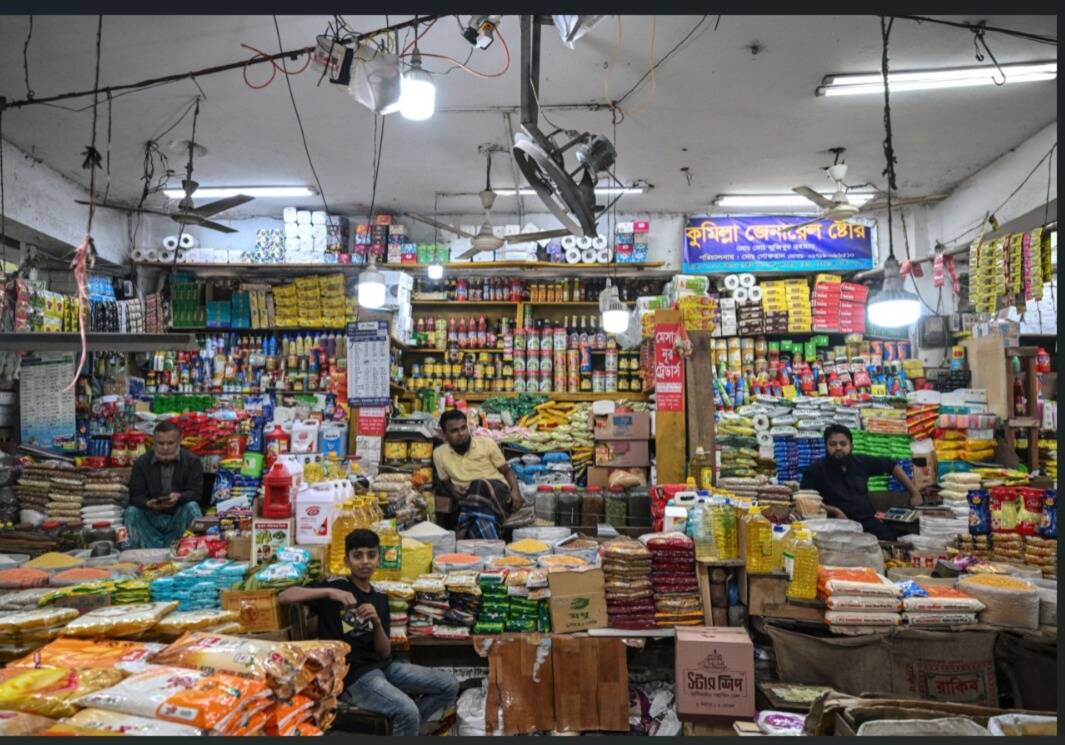
The Bangladesh garment sector, once a thriving industry that employed millions of workers, is now facing deep distress after the 2024 uprising that toppled Sheikh Hasina’s government. The aftermath of the uprising has left the industry in shambles, with over 240 factories shutting down, leaving workers like Sabina Khatun jobless and struggling to make ends meet. As the country prepares for the February 12 elections, many are pinning their hopes on stability and revival, but the road to recovery is long and uncertain.
The garment sector is the backbone of Bangladesh’s economy, accounting for over 80% of the country’s exports. However, the industry has been facing significant challenges in recent years, including rising production costs, decreasing orders from international buyers, and increasing competition from other countries. The 2024 uprising, which was sparked by widespread discontent with the government’s handling of the economy, has only exacerbated these challenges.
Sabina Khatun, a 25-year-old garment worker, is one of the many workers who have been left jobless after the factory she worked at shut down. “I worked at a factory in Dhaka for five years, but it closed down suddenly after the uprising,” she said. “I have been looking for a new job for months, but it’s impossible to find one. I have a family to support, and I don’t know how I will provide for them.”
The shutdown of factories has not only left workers like Sabina jobless but has also had a significant impact on the country’s economy. The garment sector is the largest employer in Bangladesh, and the closure of factories has led to a significant increase in unemployment. According to official statistics, the unemployment rate has risen to over 10%, with many more workers facing reduced working hours and lower wages.
The economic troubles facing Bangladesh are not limited to the garment sector. The country is also struggling with weak exports, rising inflation, and a depreciating currency. The Bangladesh Taka has lost significant value against the US dollar, making imports more expensive and increasing the cost of living for ordinary citizens.
The government has announced several measures to support the garment sector, including a package of incentives for factory owners to reopen their factories. However, many factory owners are hesitant to invest in the sector, citing uncertainty and instability as major concerns. “The situation is very uncertain, and we don’t know what the future holds,” said Mohammad Ali, a factory owner who has been forced to shut down his factory. “We need stability and security to invest in the sector, but it’s hard to find that right now.”
As the country prepares for the February 12 elections, many are hoping that a new government will bring stability and revival to the garment sector. The elections are seen as a crucial turning point for Bangladesh, and many are pinning their hopes on a new government that will prioritize the economy and create jobs.
However, the road to recovery is long and uncertain. The garment sector faces significant challenges, including rising production costs, decreasing orders from international buyers, and increasing competition from other countries. The new government will need to implement significant reforms to support the sector, including improving infrastructure, reducing corruption, and increasing investment in education and training.
In conclusion, the Bangladesh garment sector is facing deep distress after the 2024 uprising, with over 240 factories shutting down and leaving workers like Sabina Khatun jobless. While the economy shows mild recovery, unemployment is rising, exports are weak, and inflation persists. Many workers are now pinning their hopes on stability and revival after the February 12 elections, but the road to recovery is long and uncertain. The new government will need to implement significant reforms to support the sector and create jobs, but for now, the future of the garment sector remains uncertain.
As the situation continues to unfold, it’s clear that the garment sector will play a critical role in Bangladesh’s economic recovery. With the right policies and support, the sector can once again thrive and provide jobs and opportunities for millions of workers. However, until then, workers like Sabina Khatun will continue to struggle, and the country will face significant economic challenges.
For more information on this topic, visit: https://newsable.asianetnews.com/world/bangladesh-pins-hopes-on-election-boost-mired-in-economic-trouble-articleshow-n61grgw
About the Author