Bangladesh Garment Workers Struggle after Uprising Fallout
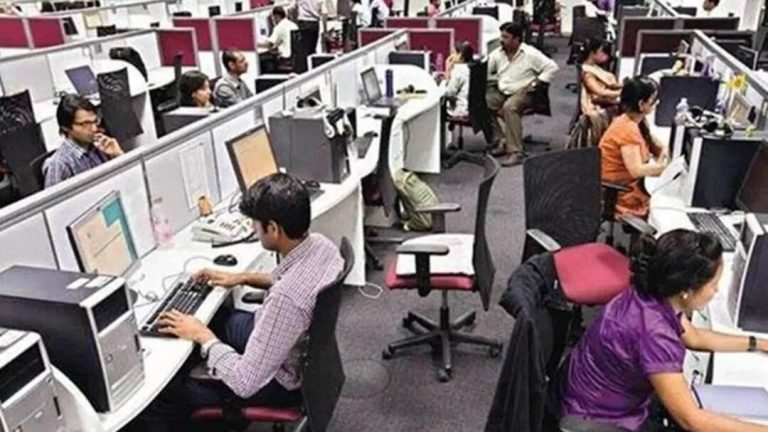
The garment sector, once the backbone of Bangladesh’s economy, is facing deep distress after the 2024 uprising that toppled Sheikh Hasina’s government. The aftermath of the uprising has left the industry in shambles, with over 240 factories shutting down, leaving thousands of workers like Sabina Khatun jobless and struggling to make ends meet. As the country gears up for the February 12 elections, many workers are pinning their hopes on stability and revival, but the road to recovery seems long and arduous.
The garment sector is the largest export earner for Bangladesh, accounting for over 80% of the country’s total exports. However, the sector has been facing numerous challenges in recent years, including rising production costs, decreasing orders from international buyers, and increasing competition from other countries. The 2024 uprising was the final nail in the coffin, as many factories were forced to shut down due to the instability and uncertainty that followed.
Sabina Khatun, a 25-year-old garment worker, is one of the many workers who have been left jobless after the factory she worked at shut down. “I was working at a factory in Dhaka for over five years, earning a decent salary and supporting my family,” she said. “But after the uprising, the factory shut down, and I was left with no job and no income. I have been struggling to find a new job, but it’s tough. Many factories have shut down, and those that are still operational are not hiring new workers.”
The shutdown of factories has not only affected workers like Sabina but has also had a ripple effect on the entire economy. The country’s exports have weakened, and inflation has persisted, making it difficult for people to afford basic necessities. The government has been trying to revive the economy, but its efforts have been hindered by the ongoing political instability.
The upcoming February 12 elections are seen as a crucial step towards restoring stability and reviving the economy. Many workers are hoping that the new government will take steps to revive the garment sector and create new jobs. “We are hoping that the new government will take steps to support the garment sector and create new jobs,” said Mohammad Ali, a worker who lost his job after the factory he worked at shut down. “We want stability and security, and we hope that the new government will provide that.”
However, the road to recovery will not be easy. The garment sector faces numerous challenges, including rising production costs, decreasing orders from international buyers, and increasing competition from other countries. The new government will have to take tough decisions to revive the sector, including increasing wages, improving working conditions, and providing support to factories to help them compete with other countries.
In addition to the challenges faced by the garment sector, the country is also facing a rising unemployment rate. According to official statistics, the unemployment rate has increased significantly since the uprising, with many young people struggling to find jobs. The government will have to take steps to address this issue, including creating new jobs, providing training and skills development programs, and supporting small and medium-sized enterprises.
As the country prepares for the February 12 elections, many workers are pinning their hopes on stability and revival. While the economy shows mild recovery, unemployment is rising, exports are weak, and inflation persists. The new government will have to take tough decisions to address these challenges and revive the economy. For workers like Sabina Khatun, the upcoming elections offer a glimmer of hope. “I hope that the new government will take steps to support the garment sector and create new jobs,” she said. “I want to work and support my family, but it’s tough. I hope that things will get better after the elections.”
In conclusion, the garment sector in Bangladesh is facing deep distress after the 2024 uprising. The shutdown of factories has left thousands of workers jobless, and the economy is struggling to recover. While the upcoming February 12 elections offer a glimmer of hope, the road to recovery will be long and arduous. The new government will have to take tough decisions to revive the sector, address rising unemployment, and support the economy. For workers like Sabina Khatun, the future is uncertain, but they are hoping that the new government will bring stability and revival to the garment sector.
About the Author