Bangladesh Garment Workers Struggle After Uprising Fallout
The garment sector, once the backbone of Bangladesh’s economy, is facing deep distress after the 2024 uprising that toppled Sheikh Hasina’s government. The aftermath of the uprising has left over 240 factories shut, leaving thousands of workers, including Sabina Khatun, jobless and struggling to make ends meet. As the country prepares for the February 12 elections, many workers are pinning their hopes on stability and revival, but the road to recovery seems long and arduous.
The garment sector is the largest employer in Bangladesh, with over 4 million workers, mostly women, toiling in factories across the country. The sector has been the driving force behind Bangladesh’s economic growth, accounting for over 80% of the country’s exports. However, the uprising and the subsequent change in government have led to a sharp decline in exports, with many international buyers canceling orders or delaying payments.
The shutdown of over 240 factories has not only left workers jobless but has also had a ripple effect on the economy. The decline in exports has led to a significant decrease in foreign exchange earnings, which has put pressure on the country’s currency, the taka. The taka has depreciated significantly against the US dollar, making imports more expensive and contributing to rising inflation.
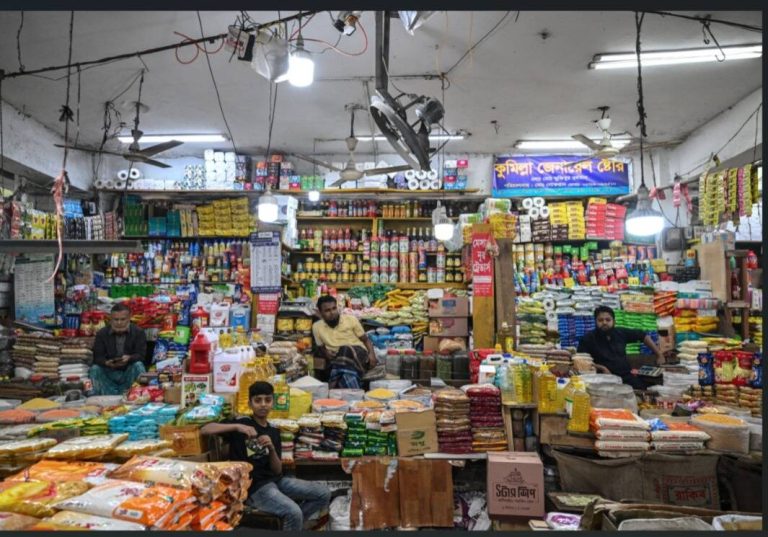
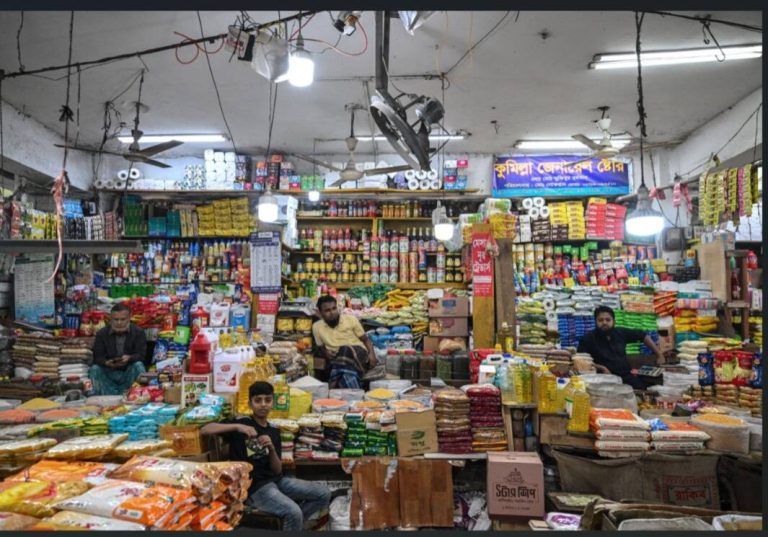
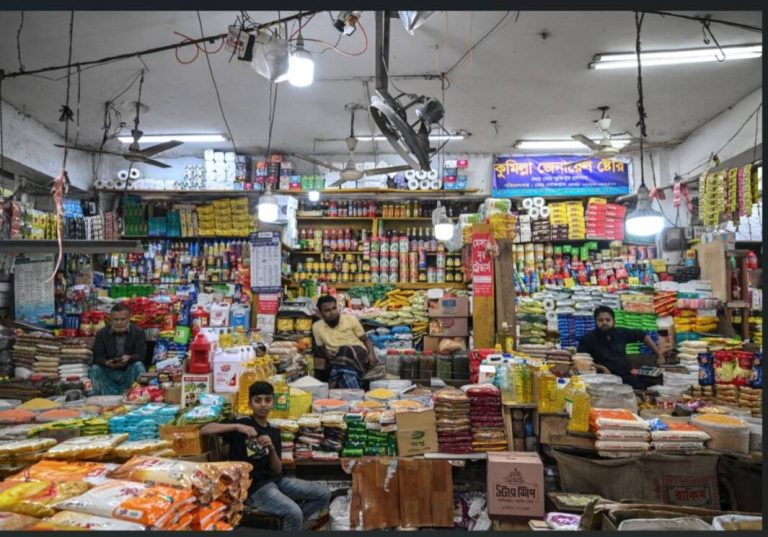
Inflation has been a major concern for the government, with prices of essential commodities like rice, wheat, and oil rising sharply. The government has tried to control prices by increasing subsidies and imposing price controls, but these measures have had limited success. The rising inflation has made it difficult for workers like Sabina Khatun to make ends meet, as their wages have not kept pace with the rising cost of living.
The economic distress has also led to rising unemployment, with many workers losing their jobs in the garment sector. The unemployment rate has risen to over 10%, with many young people struggling to find work. The government has launched several initiatives to create jobs, including vocational training programs and subsidies for small and medium-sized enterprises, but these measures have had limited success.
Despite the economic challenges, there are signs of mild recovery. The government has taken several steps to boost the economy, including increasing public spending and cutting interest rates. The central bank has also taken steps to stabilize the currency and increase liquidity in the banking system. However, these measures have had limited success, and the economy remains fragile.
The upcoming elections on February 12 are seen as a crucial test for the government’s ability to stabilize the economy and revive the garment sector. Many workers are pinning their hopes on a stable government that can attract foreign investment and boost exports. The government has promised to take several steps to support the garment sector, including providing subsidies and cutting taxes.
However, the road to recovery will not be easy. The garment sector faces several challenges, including rising competition from other countries, increasing labor costs, and declining demand from international buyers. The sector also needs to improve its compliance with international labor standards, including providing better working conditions and increasing wages.
In conclusion, the garment sector in Bangladesh is facing deep distress after the 2024 uprising. The shutdown of over 240 factories has left thousands of workers jobless, and the economy is struggling to recover. While there are signs of mild recovery, the road to stability and revival will be long and arduous. The upcoming elections on February 12 are seen as a crucial test for the government’s ability to stabilize the economy and revive the garment sector. As the country prepares for the elections, many workers are pinning their hopes on a stable government that can attract foreign investment and boost exports.
The story of Sabina Khatun and thousands of other workers who have lost their jobs in the garment sector is a reminder of the human cost of economic instability. The government needs to take urgent steps to support the garment sector and provide relief to workers who have been affected by the shutdown of factories. The international community also needs to provide support to Bangladesh to help the country recover from the economic crisis.
As the country prepares for the elections, it is essential to remember that the garment sector is not just an economic sector but also a source of livelihood for millions of workers. The government needs to prioritize the needs of workers and take steps to ensure that the sector is revived and stabilized. The future of Bangladesh’s economy and the livelihoods of millions of workers depend on it.
About the Author