Bangladesh Garment Workers Struggle After Uprising Fallout
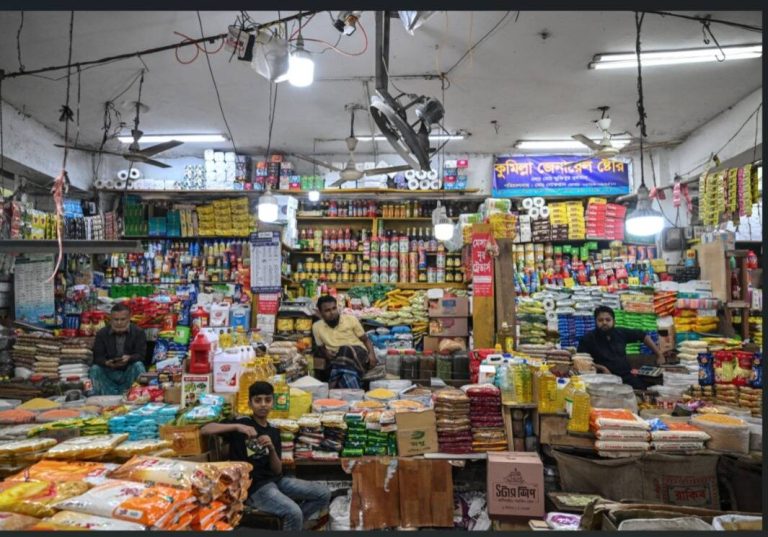
The garment sector, once the backbone of Bangladesh’s economy, is facing unprecedented distress in the aftermath of the 2024 uprising that toppled Sheikh Hasina’s government. The industry, which has been the country’s largest export earner, is struggling to stay afloat, leaving hundreds of thousands of workers, like Sabina Khatun, without a job. The economic fallout of the uprising has been severe, with over 240 factories shutting down, and the sector is yet to recover from the shock.
Sabina Khatun, a 25-year-old garment worker, had been working in a factory in Dhaka for over five years. She was the sole breadwinner of her family, supporting her parents and two younger siblings. However, after the uprising, her factory was forced to shut down, leaving her without a job. “I was earning a decent income, around 15,000 taka per month, but now I am struggling to make ends meet,” she said. “I have applied to several factories, but no one is hiring. I am worried about my family’s future.”
The garment sector is the largest employer in Bangladesh, with over four million workers, mostly women, employed in the industry. The sector has been the driving force behind the country’s economic growth, accounting for over 80% of the country’s exports. However, the uprising has had a devastating impact on the sector, with many factories shutting down due to a lack of orders, high production costs, and instability in the country.
The economic situation in Bangladesh is grim, with unemployment rising, exports weak, and inflation persisting. The country’s economy was already facing challenges before the uprising, but the situation has worsened since then. The Bangladesh Bureau of Statistics (BBS) reported that the country’s GDP growth rate slowed down to 5.5% in the fiscal year 2023-24, from 7.3% in the previous year. The BBS also reported that the unemployment rate rose to 4.2% in 2023, from 3.5% in 2022.
The garment sector is not the only industry that has been affected by the uprising. Other sectors, such as textiles, pharmaceuticals, and construction, have also been hit hard. The country’s infrastructure has been damaged, and many businesses have been forced to shut down due to a lack of security and stability. The tourism industry, which was a growing sector, has also been severely affected, with many tourists canceling their trips to the country.
The government has announced several measures to support the garment sector, including a stimulus package and a loan scheme for factory owners. However, many factory owners are skeptical about the effectiveness of these measures. “The government’s measures are too little, too late,” said Mohammad Ali, a factory owner. “We need a long-term solution to the crisis, not just a temporary fix. We need stability and security to operate our businesses.”
The upcoming elections, scheduled for February 12, have raised hopes among many Bangladeshis that the country will finally return to stability. Many workers, like Sabina Khatun, are pinning their hopes on the elections, hoping that a new government will bring about much-needed reforms and stability to the country. “I hope the new government will take steps to support the garment sector and create jobs for workers like me,” she said.
The international community has also been watching the situation in Bangladesh closely. The European Union, which is one of the largest markets for Bangladeshi garments, has expressed concern about the situation in the country. The EU has urged the government to take steps to ensure the safety and security of workers and to support the garment sector.
In conclusion, the garment sector in Bangladesh is facing deep distress after the 2024 uprising. The sector, which has been the backbone of the country’s economy, is struggling to stay afloat, leaving hundreds of thousands of workers without a job. The economic situation in the country is grim, with unemployment rising, exports weak, and inflation persisting. However, many workers are pinning their hopes on the upcoming elections, hoping that a new government will bring about much-needed reforms and stability to the country.
As the country prepares for the elections, it is essential that the government and other stakeholders take steps to support the garment sector and create jobs for workers. The international community must also play a role in supporting the country, by providing aid and assistance to the affected workers and businesses. Only through collective efforts can Bangladesh recover from the economic crisis and return to its path of growth and development.
About the Author