Bangladesh Garment Workers Struggle After Uprising Fallout
The garment sector in Bangladesh, once a thriving industry that accounted for a significant portion of the country’s exports, is now facing deep distress. The aftermath of the 2024 uprising that toppled Sheikh Hasina’s government has left the sector reeling, with over 240 factories shutting down and leaving thousands of workers, including Sabina Khatun, jobless. The economic fallout of the uprising has been severe, with rising unemployment, weak exports, and persistent inflation.
The garment industry in Bangladesh has been a major driver of the country’s economy, providing employment to millions of workers, mostly women, and generating significant revenue through exports. However, the industry has been facing challenges in recent years, including low wages, poor working conditions, and lack of social security for workers. The 2024 uprising, which was sparked by widespread discontent with the government’s policies and corruption, has exacerbated these challenges, leading to a sharp decline in the industry’s fortunes.
Sabina Khatun, a 25-year-old garment worker, is one of the many workers who have been left jobless due to the factory closures. “I was working in a factory in Dhaka for five years, earning a decent wage and supporting my family,” she said. “But after the uprising, the factory shut down, and I was left with no job and no income. I have been struggling to make ends meet, and I don’t know how I will provide for my family.”
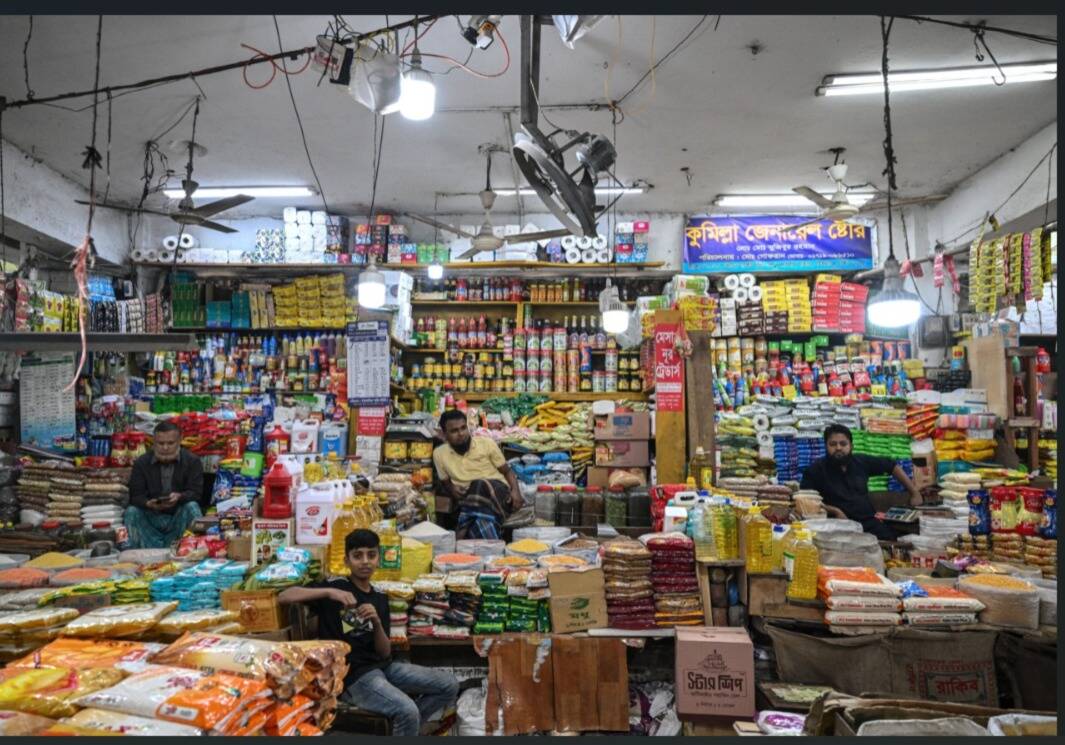
The economic situation in Bangladesh is dire, with the country’s exports declining sharply due to the global economic slowdown and the impact of the uprising. The garment industry, which accounts for over 80% of the country’s exports, has been particularly hard hit, with many factories struggling to stay afloat. The government has announced several measures to support the industry, including a bailout package and tax incentives, but these measures have had limited impact so far.
The rising unemployment in Bangladesh is a major concern, with many workers struggling to find new jobs. The country’s unemployment rate has increased significantly since the uprising, with many young people, including graduates, struggling to find employment. The lack of job opportunities has led to widespread discontent and frustration, with many people feeling that the government has failed to address their concerns.
Inflation is another major concern in Bangladesh, with prices of essential commodities, including food and fuel, rising sharply. The country’s inflation rate has increased significantly since the uprising, making it difficult for people to afford basic necessities. The government has announced several measures to control inflation, including price controls and subsidies, but these measures have had limited impact so far.
Despite the economic challenges, there are hopes that the February 12 elections will bring stability and revival to the country. The elections are seen as an opportunity for the government to address the concerns of the people and to implement policies that will support economic growth and development. Many workers, including Sabina Khatun, are pinning their hopes on the elections, hoping that the new government will take steps to support the garment industry and provide employment opportunities.
The international community has also been watching the situation in Bangladesh closely, with many countries and organizations expressing concern about the economic situation and the impact on workers. The United Nations has called on the government to take steps to support the garment industry and to protect the rights of workers. The European Union has also expressed concern about the situation, with many EU countries being major importers of Bangladeshi garments.
In conclusion, the garment sector in Bangladesh is facing deep distress after the 2024 uprising, with many factories shutting down and workers like Sabina Khatun left jobless. The economic situation in the country is dire, with rising unemployment, weak exports, and persistent inflation. However, there are hopes that the February 12 elections will bring stability and revival to the country, and that the new government will take steps to support the garment industry and provide employment opportunities.
As the country prepares for the elections, it is essential that the government and other stakeholders take steps to address the concerns of workers and to support the garment industry. This includes providing support to factories that have shut down, implementing policies to promote exports, and taking steps to control inflation. The international community must also play a role in supporting Bangladesh, by providing aid and technical assistance to help the country recover from the economic crisis.
About the Author