Bangladesh Garment Workers Struggle After Uprising Fallout
The year 2024 will be remembered as a turning point in Bangladesh’s history, marked by a massive uprising that ultimately led to the downfall of Sheikh Hasina’s government. The aftermath of this uprising has sent shockwaves throughout the country’s economy, with the garment sector being one of the hardest hit. Over 240 factories have shut down, leaving thousands of workers, including Sabina Khatun, without a job. As the country struggles to recover from the economic distress, the upcoming February 12 elections have become a beacon of hope for many, who are pinning their hopes on stability and revival.
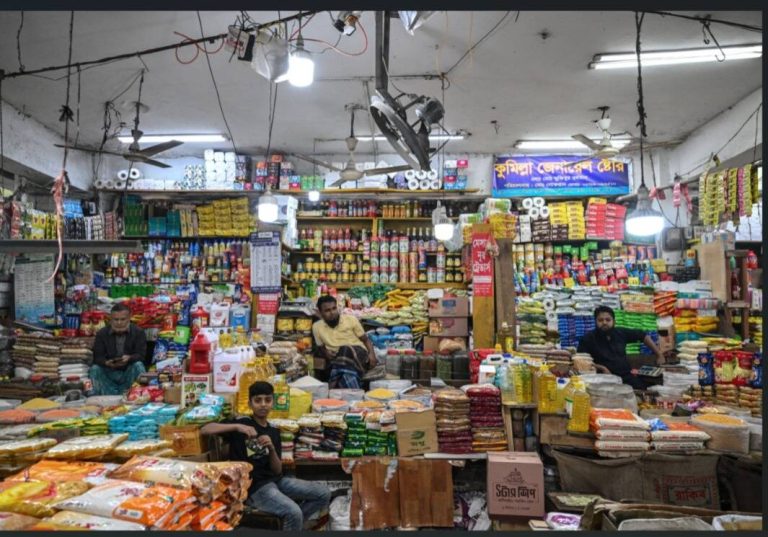
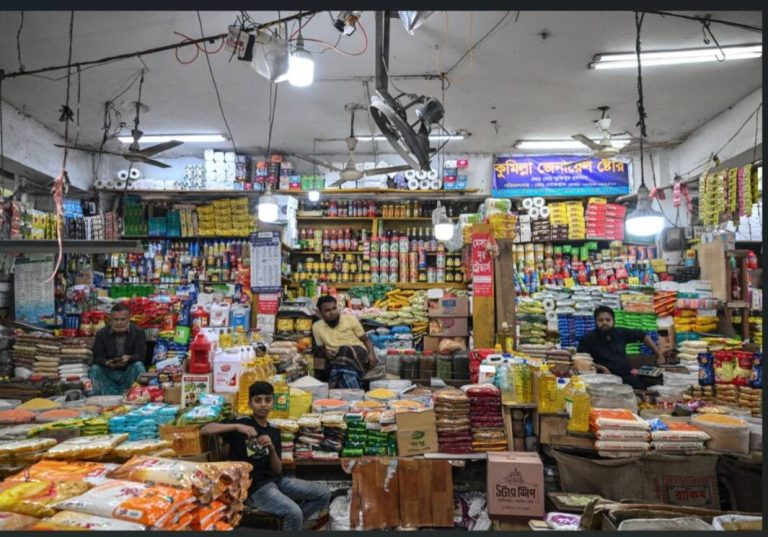
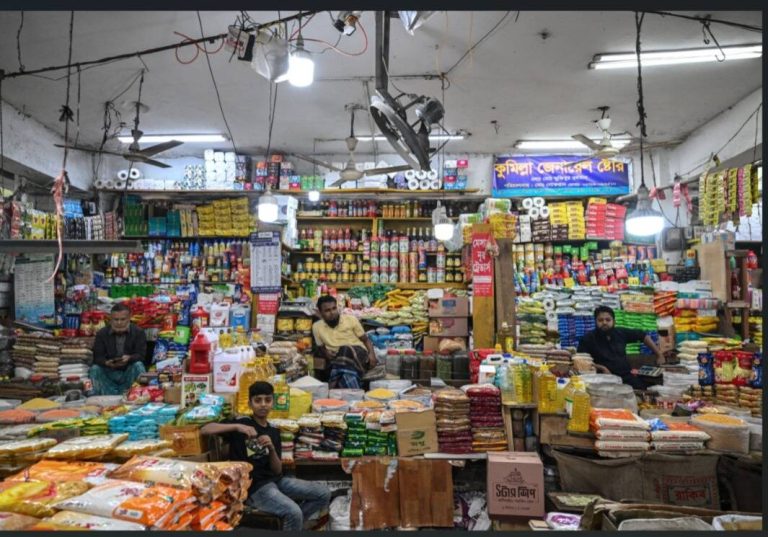
The garment sector, which is the backbone of Bangladesh’s economy, has been facing deep distress since the uprising. The sector, which employs millions of workers, has seen a significant decline in production and exports. Many factories have been forced to shut down due to a lack of orders, and those that are still operational are struggling to stay afloat. The situation has become so dire that many workers are now forced to look for alternative sources of income, just to make ends meet.
Sabina Khatun, a garment worker who lost her job when her factory shut down, is just one of the many workers who are struggling to cope with the new reality. “I had been working in the garment sector for over 10 years, and it was my only source of income,” she said. “When the factory shut down, I was left with nothing. I have been trying to find a new job, but it’s not easy. Many factories are not hiring, and those that are, are offering very low wages.”
The economic distress faced by Bangladesh is not limited to the garment sector. The country’s economy as a whole is struggling, with rising unemployment, weak exports, and persistent inflation. The government’s efforts to revive the economy have been slow, and many are now looking to the upcoming elections as a way to bring about stability and change.
The February 12 elections are seen as a crucial opportunity for Bangladesh to get back on track. Many are hoping that the new government will be able to bring about the necessary reforms to revive the economy and create jobs. The garment sector, in particular, is hoping that the new government will be able to attract new investment and boost exports.
However, the road to recovery will not be easy. The garment sector faces many challenges, including low wages, poor working conditions, and a lack of skills. Many workers are not trained to work in other sectors, and the lack of alternative employment opportunities is a major concern. The government will need to invest in training and education programs to help workers develop new skills and adapt to the changing job market.
In addition to the challenges faced by the garment sector, the country as a whole is struggling to come to terms with the aftermath of the uprising. The political instability and uncertainty have created a sense of unease, and many are worried about the future. The upcoming elections are seen as a way to bring about stability and closure, but it remains to be seen whether the new government will be able to deliver on its promises.
As Bangladesh struggles to recover from the economic distress, the international community is watching with interest. The country’s economy is heavily dependent on exports, and the decline in the garment sector has had a ripple effect on the global economy. Many international brands that source their products from Bangladesh are now looking for alternative suppliers, which has further exacerbated the crisis.
In conclusion, the Bangladesh garment workers are struggling to cope with the aftermath of the 2024 uprising. The sector, which is the backbone of the country’s economy, is facing deep distress, with over 240 factories shut down and thousands of workers left jobless. The upcoming February 12 elections have become a beacon of hope for many, who are pinning their hopes on stability and revival. However, the road to recovery will not be easy, and the government will need to invest in training and education programs to help workers develop new skills and adapt to the changing job market. As the country struggles to come to terms with the aftermath of the uprising, the international community is watching with interest, and the outcome of the elections will have a significant impact on the country’s economy and future.
About the Author