Bangladesh Garment Workers Struggle After Uprising Fallout
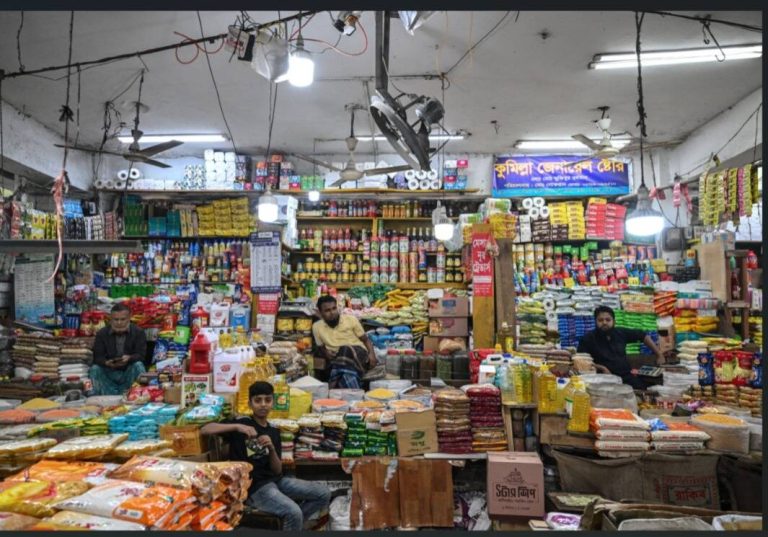
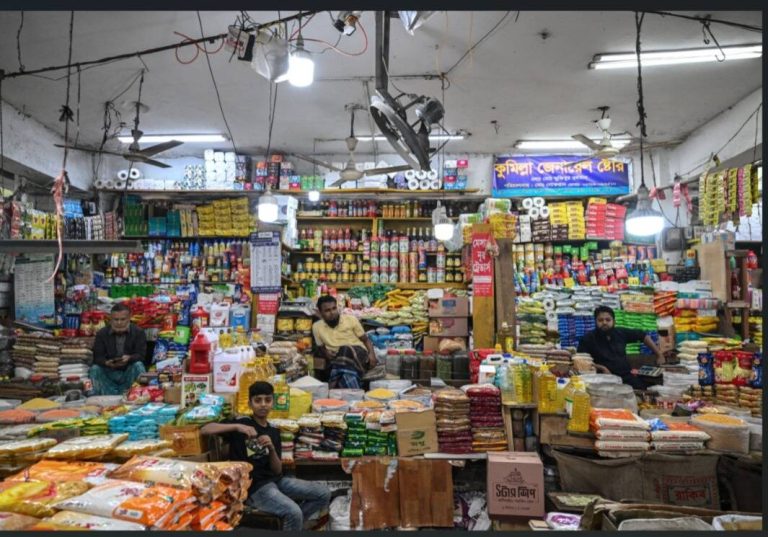
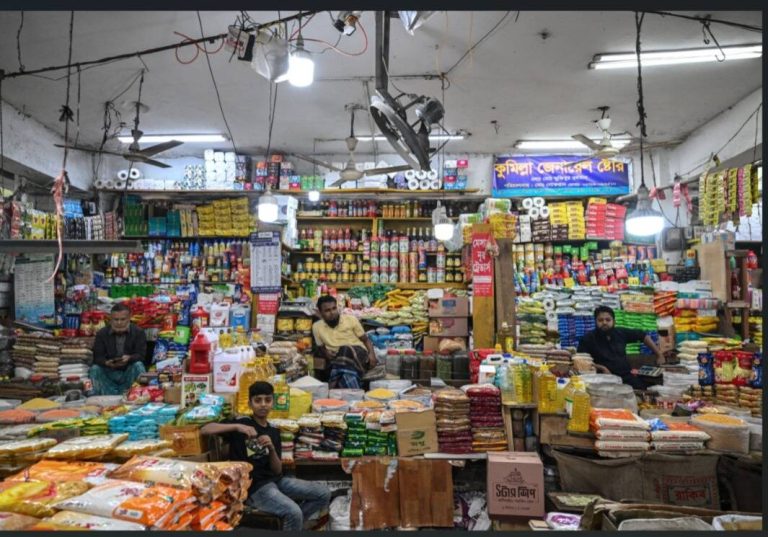
The garment sector, once the backbone of Bangladesh’s economy, is facing deep distress after the 2024 uprising that toppled Sheikh Hasina’s government. The aftermath of the uprising has left over 240 factories shut, rendering thousands of workers, including Sabina Khatun, jobless and struggling to make ends meet. As the country prepares for the February 12 elections, many are pinning their hopes on stability and revival, but the road to recovery seems long and arduous.
The garment sector, which accounts for more than 80% of Bangladesh’s exports, has been severely impacted by the uprising. The shutdown of factories has not only led to a significant decline in exports but also resulted in a substantial loss of jobs. According to estimates, over 200,000 workers have been left without employment, with many more facing uncertainty about their future. Sabina Khatun, a 30-year-old garment worker, is one of the many who have been affected by the factory shutdowns. “I had been working in a garment factory for over five years, but after the uprising, the factory was shut down, and I was left without a job,” she said. “I have been struggling to find a new job, but it’s tough. Many factories are not hiring, and those that are, are offering very low wages.”
The economic situation in Bangladesh is grim, with unemployment rising, exports weak, and inflation persisting. The country’s economy, which had been growing at a steady pace, has slowed down significantly since the uprising. The Bangladesh Bureau of Statistics (BBS) reported that the country’s GDP growth rate declined to 5.5% in the last fiscal year, down from 8.1% in the previous year. The decline in exports has been particularly steep, with garment exports falling by over 20% in the last year. The weak export performance has had a ripple effect on the entire economy, leading to a decline in economic activity and a rise in unemployment.
The government has been trying to revive the economy, but its efforts have been hindered by the ongoing political instability. The caretaker government, which took over after the uprising, has been struggling to restore confidence among investors and buyers. The government has announced several packages to support the garment sector, including low-interest loans and subsidies for factory owners. However, these measures have had limited impact, and many factory owners are still struggling to stay afloat.
As the country prepares for the February 12 elections, many are hoping that a new government will bring stability and revival to the economy. The elections are seen as a crucial opportunity for Bangladesh to restore democracy and get back on the path of economic growth. The major political parties have been campaigning on a platform of economic revival, promising to create jobs, boost exports, and control inflation. However, the outcome of the elections is uncertain, and it remains to be seen whether the new government will be able to deliver on its promises.
In the meantime, workers like Sabina Khatun are struggling to survive. Many have been forced to take up informal jobs, such as working as street vendors or rickshaw pullers, to make ends meet. Others have migrated to other countries in search of work, often in difficult and exploitative conditions. The situation is particularly tough for women workers, who make up the majority of the garment workforce. Many have been forced to take up low-paid and insecure jobs, with limited access to social protection and benefits.
The international community has been watching the situation in Bangladesh with concern. The European Union, which is one of the largest markets for Bangladeshi garments, has expressed concerns about the human rights situation in the country. The EU has threatened to withdraw trade preferences if the situation does not improve. The United States has also expressed concerns, with the State Department issuing a statement calling for the protection of workers’ rights and the restoration of democracy.
In conclusion, the garment sector in Bangladesh is facing deep distress after the 2024 uprising. The shutdown of factories has left thousands of workers jobless, and the economy is struggling to recover. As the country prepares for the February 12 elections, many are pinning their hopes on stability and revival. However, the road to recovery will be long and arduous, and it will require a concerted effort from the government, factory owners, and workers. The international community must also play a role, by providing support and pressure to ensure that workers’ rights are protected and the economy is revived.
The situation in Bangladesh is a reminder of the fragility of economic growth and the importance of democratic stability. The country’s experience shows that economic development is not just about growth rates and exports, but also about the well-being of workers and the protection of their rights. As Bangladesh looks to the future, it must prioritize the needs of its workers and ensure that they are protected and supported.
About the Author