Aus Terror Attack Shooter’s Estranged Wife Refuses to Claim Body
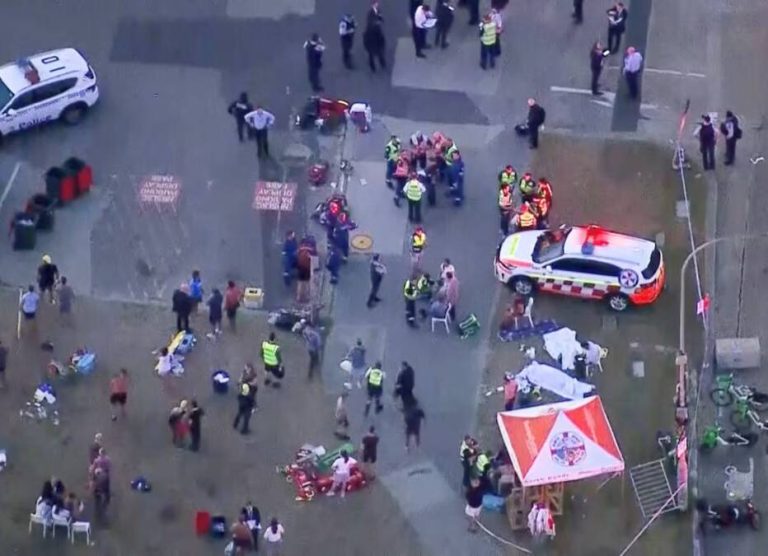
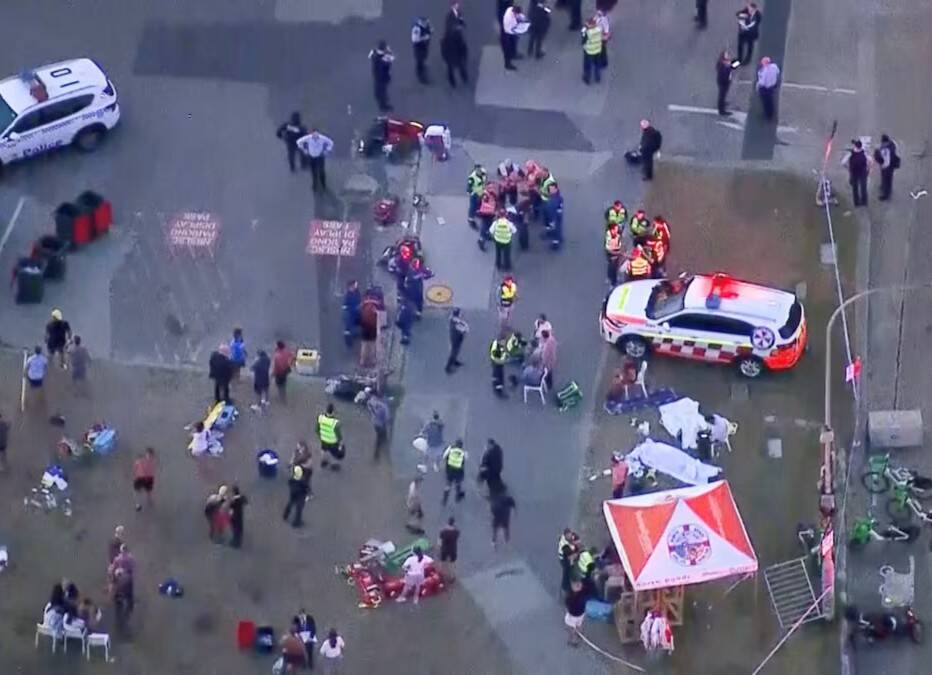
The recent terror attack on Bondi Beach, Australia, has left the nation in a state of shock and mourning. The attack, which occurred on December 14, resulted in the loss of 15 innocent lives and has raised many questions about the motivations and backgrounds of the perpetrators. One of the key figures behind the attack was Sajid Akram, a man with a troubled past and a history of violence. In a shocking turn of events, Akram’s estranged wife has refused to claim his body, leaving authorities responsible for his burial.
According to reports, Akram was one of the two men behind the deadly attack, which was carried out on a busy day at Bondi Beach. The attack sent shockwaves across the country, with many left wondering how such a tragedy could occur. As the investigation into the attack continues, more details are emerging about the lives of the perpetrators, including Akram. It has been revealed that Akram was homeless for at least six months prior to the attack, and had a history of mental health issues and violent behavior.
The decision by Akram’s estranged wife to refuse to claim his body is a significant one, and highlights the complexities of the case. The wife, who has not been named, has reportedly stated that she wants nothing to do with Akram, and does not wish to be associated with him in any way. This decision has left authorities responsible for arranging Akram’s burial, a task that is likely to be carried out with minimal fanfare.
The investigation into the attack is ongoing, and police are working to piece together the events leading up to the tragedy. One of the key figures in the investigation is Akram’s son, Naveed, who was apprehended at the scene of the attack. Naveed is currently in hospital under police guard, and is expected to face charges in connection with the attack.
The refusal by Akram’s estranged wife to claim his body is a significant development in the case, and highlights the difficulties faced by authorities in dealing with the aftermath of the attack. The decision also raises questions about the support and resources available to families of perpetrators, and whether they should be expected to take responsibility for the actions of their loved ones.
In the wake of the attack, there have been many calls for increased funding and support for mental health services and counter-terrorism initiatives. The attack has highlighted the need for a more comprehensive approach to addressing the root causes of extremism and violence, and for providing support to those who may be vulnerable to radicalization.
As the investigation into the attack continues, it is likely that more details will emerge about the lives of the perpetrators, including Akram. The decision by Akram’s estranged wife to refuse to claim his body is a significant one, and highlights the complexities of the case. It is a reminder that the aftermath of a terror attack can be just as complicated and nuanced as the attack itself, and that those affected by the tragedy will require support and resources in the months and years to come.
The Bondi Beach attack has left a scar on the Australian community, and it will take time for the country to heal and recover. As the investigation into the attack continues, it is essential that authorities prioritize the needs of the victims and their families, and work to provide support and resources to those affected by the tragedy.
In conclusion, the refusal by Akram’s estranged wife to claim his body is a significant development in the case, and highlights the complexities of the attack and its aftermath. As the investigation continues, it is essential that authorities prioritize the needs of the victims and their families, and work to provide support and resources to those affected by the tragedy.
About the Author