Aus terror attack shooter’s estranged wife refuses to claim body
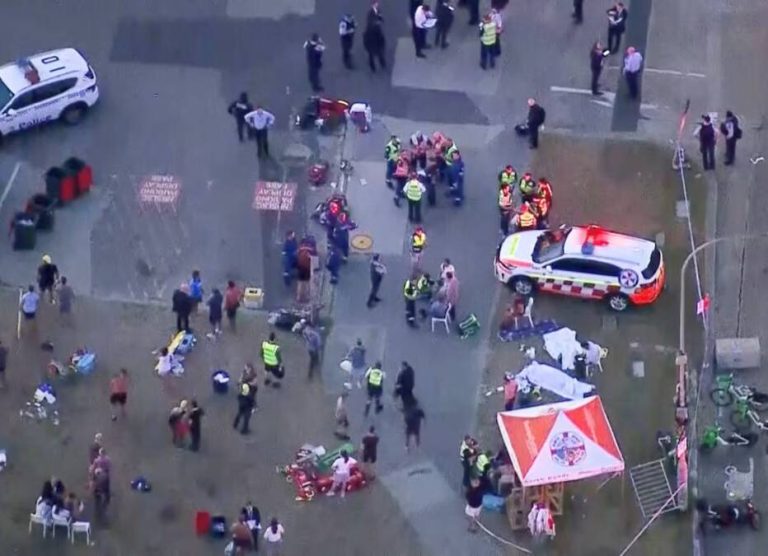
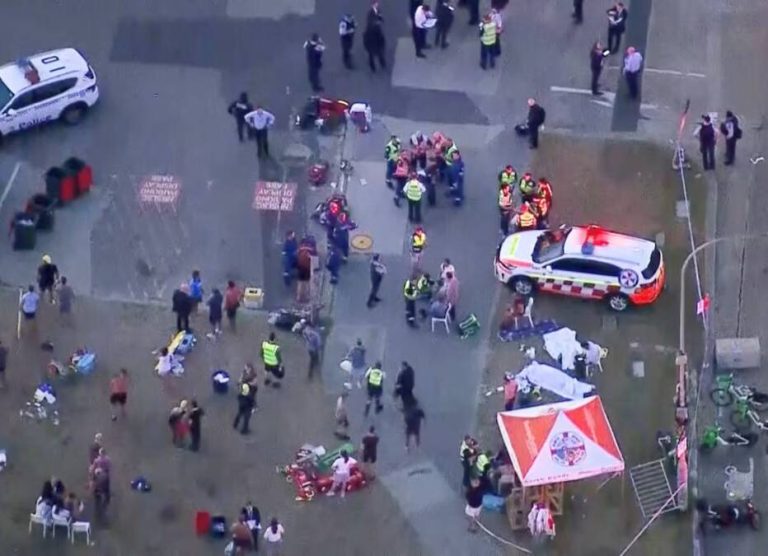
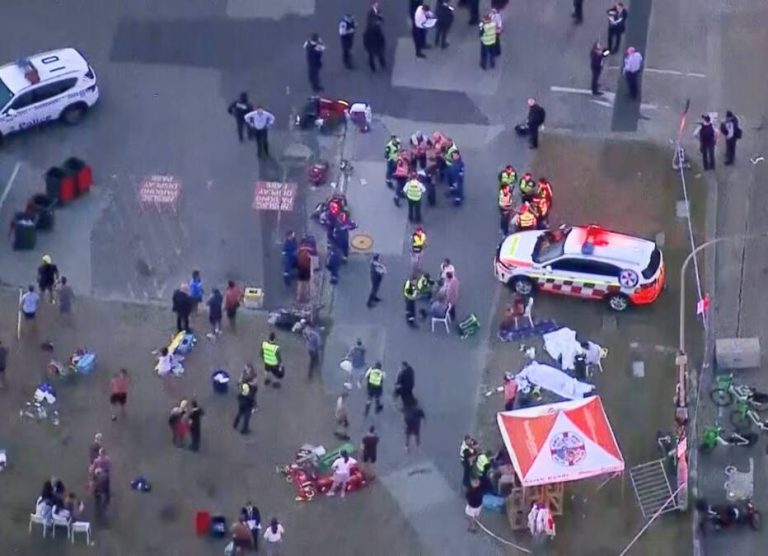
The aftermath of the devastating Bondi Beach terror attack in Australia has taken a new turn, with the estranged wife of one of the shooters, Sajid Akram, refusing to claim his body. According to reports from Australian media, Akram’s wife has made it clear that she wants nothing to do with him, leaving the authorities responsible for handling the burial arrangements.
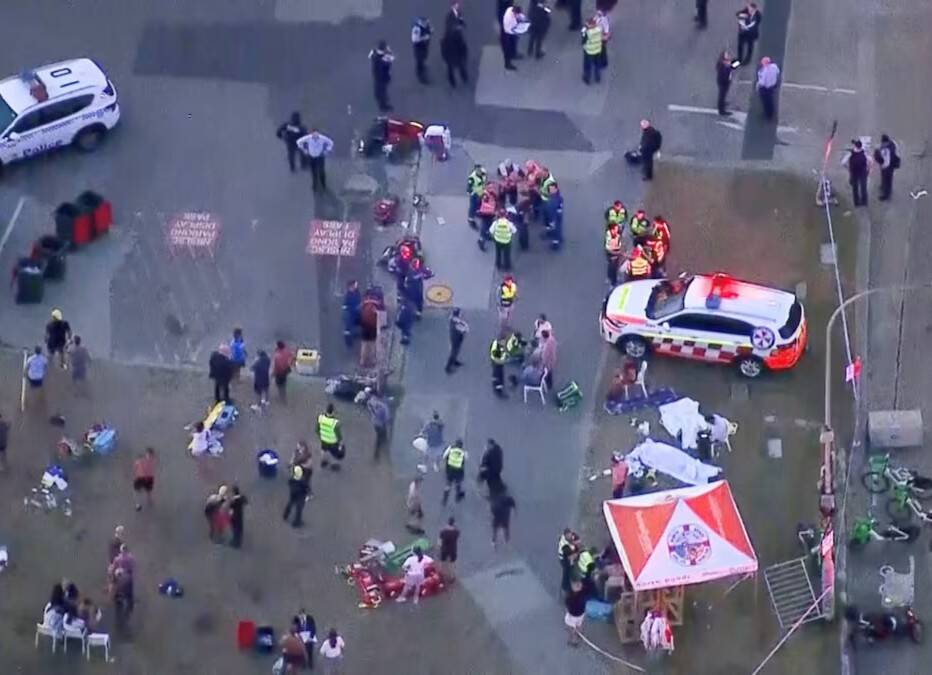
The December 14 attack, which resulted in the loss of 15 innocent lives, was carried out by two men, including Sajid Akram. The incident sent shockwaves across the nation, with many left wondering how such a heinous act could occur. As the investigation into the attack continues, more details have emerged about the perpetrators, including Akram’s troubled past.
Reports suggest that Akram was homeless for at least six months prior to the attack, raising questions about the circumstances that may have contributed to his radicalization. The fact that he was able to carry out such a devastating attack despite being homeless has sparked concerns about the lack of support and resources available to individuals struggling with mental health and social issues.
In a disturbing twist, Akram’s son, Naveed, was apprehended at the scene of the attack and is currently in hospital under police guard. The circumstances surrounding Naveed’s involvement in the attack are still unclear, but it is believed that he may have played a role in the events leading up to the shooting.
The refusal of Akram’s estranged wife to claim his body is a significant development in the case, as it highlights the complexity of the relationships and motivations involved. It is clear that Akram’s personal life was marked by turmoil and conflict, which may have contributed to his descent into extremism.
As the authorities work to piece together the events surrounding the attack, they are also facing the challenge of handling the burial arrangements for Akram. With his estranged wife refusing to claim his body, the responsibility for ensuring that he is given a proper burial will fall to the state.
The incident has sparked a heated debate about the role of extremism and radicalization in Australian society. Many are calling for increased funding and support for programs aimed at preventing radicalization and supporting individuals who are vulnerable to extremist ideologies.
The attack has also raised questions about the effectiveness of Australia’s counter-terrorism strategies and the need for a more comprehensive approach to addressing the root causes of extremism. As the nation grapples with the aftermath of the attack, it is clear that a more nuanced and multifaceted approach is needed to prevent such tragedies from occurring in the future.
In the meantime, the community is coming to terms with the loss of 15 innocent lives and the trauma inflicted on those who witnessed the attack. The refusal of Akram’s estranged wife to claim his body serves as a poignant reminder of the devastating consequences of extremism and the importance of addressing the complex social and psychological factors that contribute to it.
As the investigation into the attack continues, it is essential that we prioritize a nuanced and informed approach to understanding the motivations and circumstances surrounding the attack. By doing so, we can work towards creating a safer and more compassionate society, where individuals are supported and empowered to reject extremist ideologies.
In conclusion, the refusal of Sajid Akram’s estranged wife to claim his body is a significant development in the aftermath of the Bondi Beach terror attack. As we continue to grapple with the consequences of this devastating event, it is essential that we prioritize a comprehensive and nuanced approach to addressing the root causes of extremism and supporting those affected by it.
About the Author