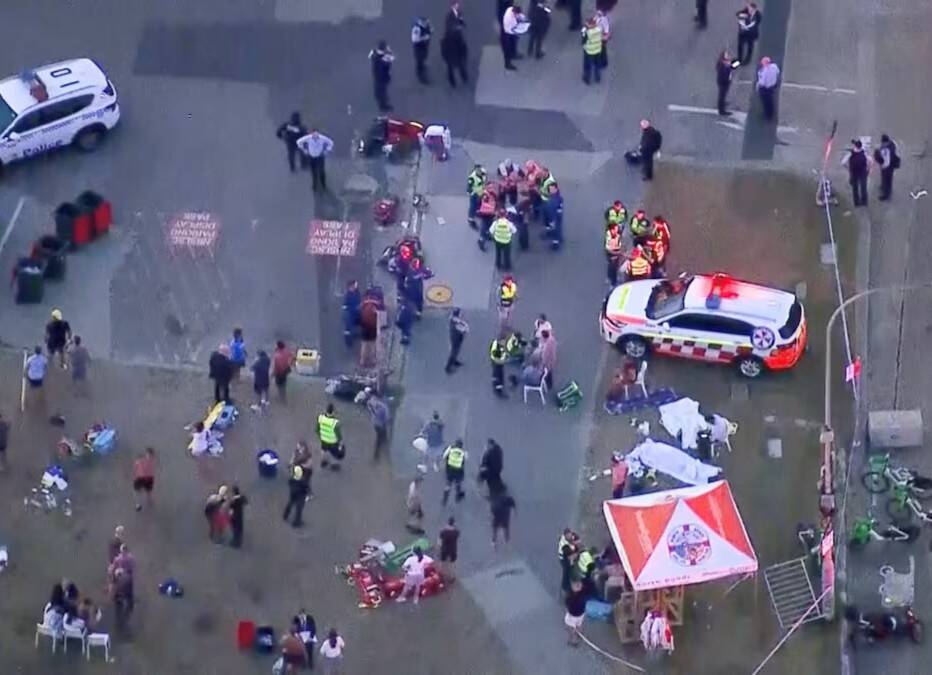
Aus terror attack shooter’s estranged wife refuses to claim body
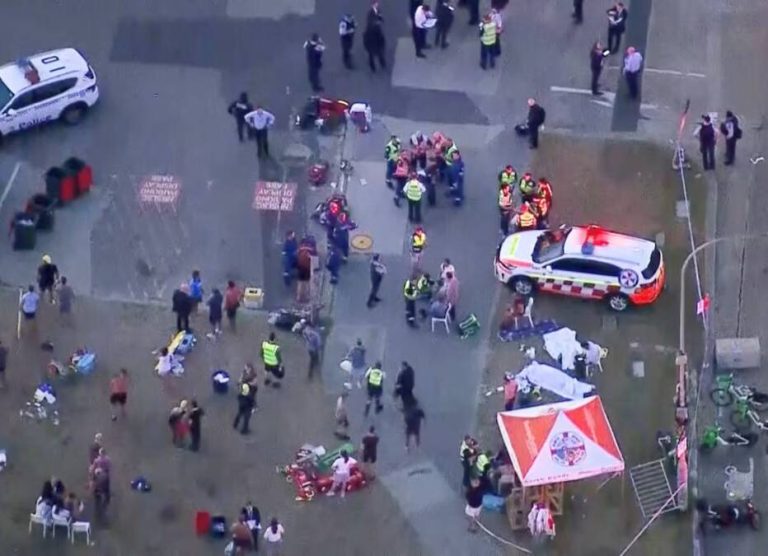
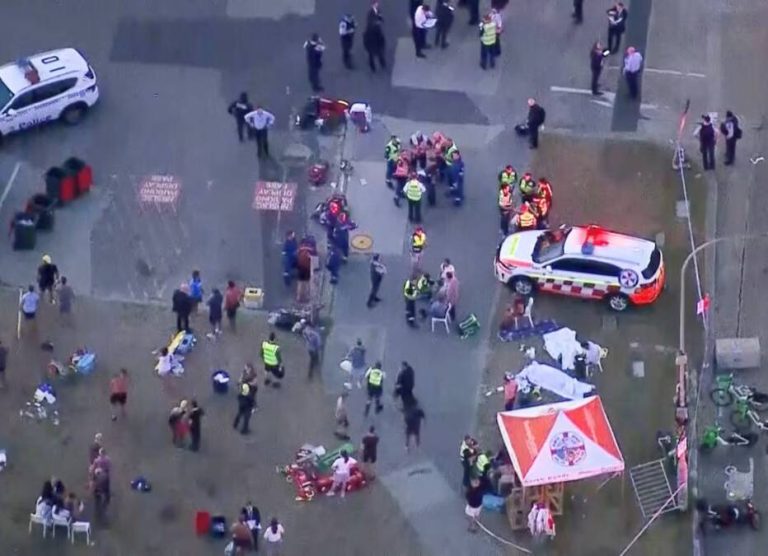
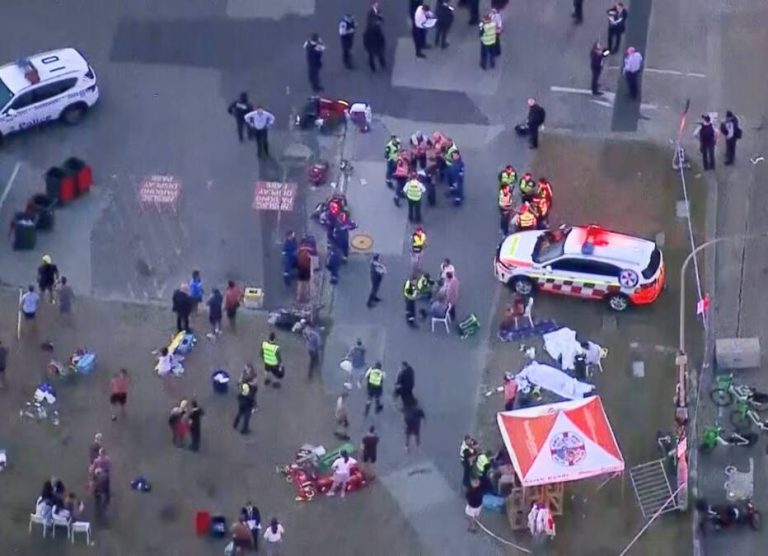
The recent terror attack on Bondi Beach has left the nation in shock and mourning. The December 14 attack, which resulted in the loss of 15 innocent lives, has raised many questions about the motives and backgrounds of the perpetrators. One of the shooters, Sajid Akram, has been revealed to have been homeless for at least six months prior to the attack, according to reports. In a shocking turn of events, Akram’s estranged wife has refused to claim his body, leaving authorities responsible for his burial.
The attack on Bondi Beach was carried out by two men, one of whom was Sajid Akram. The incident sent shockwaves across the country, with many left wondering how such a tragedy could occur. As investigations into the attack continue, more information is coming to light about the perpetrators. It has been reported that Akram was homeless for at least six months before the attack, raising questions about the support systems in place for individuals in need.
In the aftermath of the attack, Akram’s estranged wife has made it clear that she wants nothing to do with him. According to Australian media, she has refused to claim his body, leaving authorities to arrange for his burial. This decision has sparked a mix of reactions, with some expressing understanding for her choice and others criticizing her for not taking responsibility.
The situation is further complicated by the fact that Akram’s son, Naveed, was apprehended on the scene and is currently in hospital under police guard. The young boy’s involvement in the incident has raised concerns about the radicalization of youth and the need for stronger support systems to prevent such tragedies.
As the investigation into the attack continues, authorities are working to piece together the events leading up to the tragedy. The fact that Akram was homeless for an extended period has raised questions about the role of social services and support systems in preventing such incidents. It is clear that more needs to be done to address the root causes of radicalization and to provide support to individuals in need.
The refusal of Akram’s estranged wife to claim his body has also sparked a debate about the responsibility of family members in such situations. While some argue that she has a moral obligation to take care of his burial, others believe that she should not be forced to take on this responsibility, especially given her estranged relationship with him.
The attack on Bondi Beach has left a deep scar on the nation, and it will take time for the community to heal. As the investigation continues, it is essential that authorities and policymakers work together to address the root causes of such tragedies and to implement measures to prevent them from occurring in the future.
In conclusion, the refusal of Sajid Akram’s estranged wife to claim his body is a complex and sensitive issue. While it may spark controversy and debate, it is essential to approach the situation with empathy and understanding. As the nation mourns the loss of innocent lives, it is crucial that we work together to address the root causes of radicalization and to provide support to individuals in need.
The incident has also raised questions about the role of social services and support systems in preventing such tragedies. It is clear that more needs to be done to address the needs of individuals who are struggling, and to provide them with the support and resources they need to get back on their feet.
As the investigation into the attack continues, it is essential that authorities and policymakers work together to implement measures to prevent such tragedies from occurring in the future. This includes addressing the root causes of radicalization, providing support to individuals in need, and working to build stronger, more resilient communities.
The attack on Bondi Beach is a tragic reminder of the importance of community and the need for support systems to be in place. It is essential that we work together to build a safer, more compassionate society, where individuals in need can receive the support and resources they require to thrive.
As we move forward, it is crucial that we remember the victims of the attack and work to honor their memory by creating a better, safer world for all. The refusal of Sajid Akram’s estranged wife to claim his body may be a complex issue, but it is also a reminder of the need for empathy, understanding, and support in the face of tragedy.
About the Author