Aus terror attack shooter’s estranged wife refuses to claim body
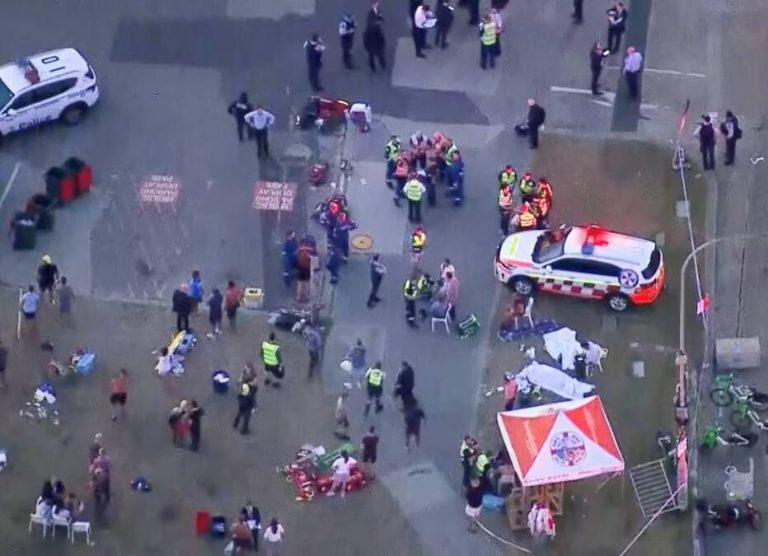
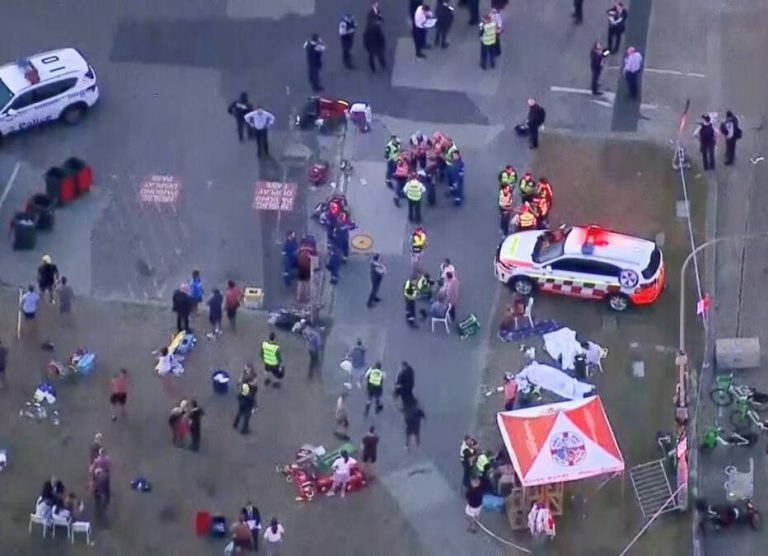
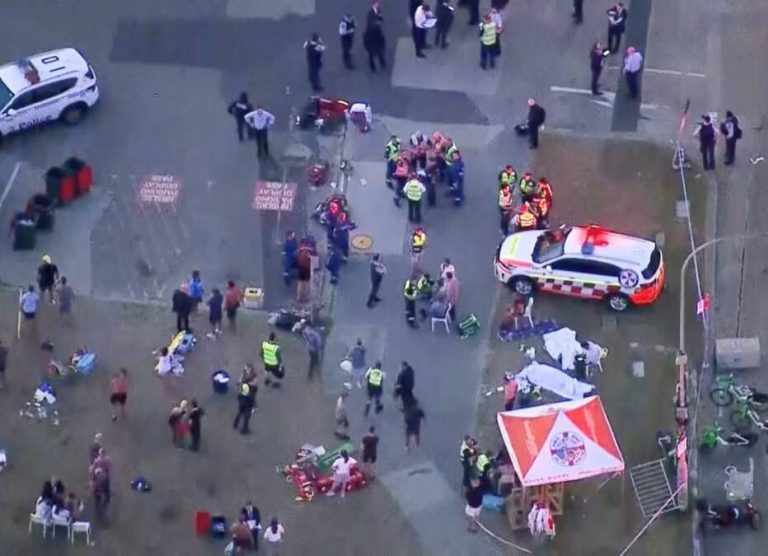
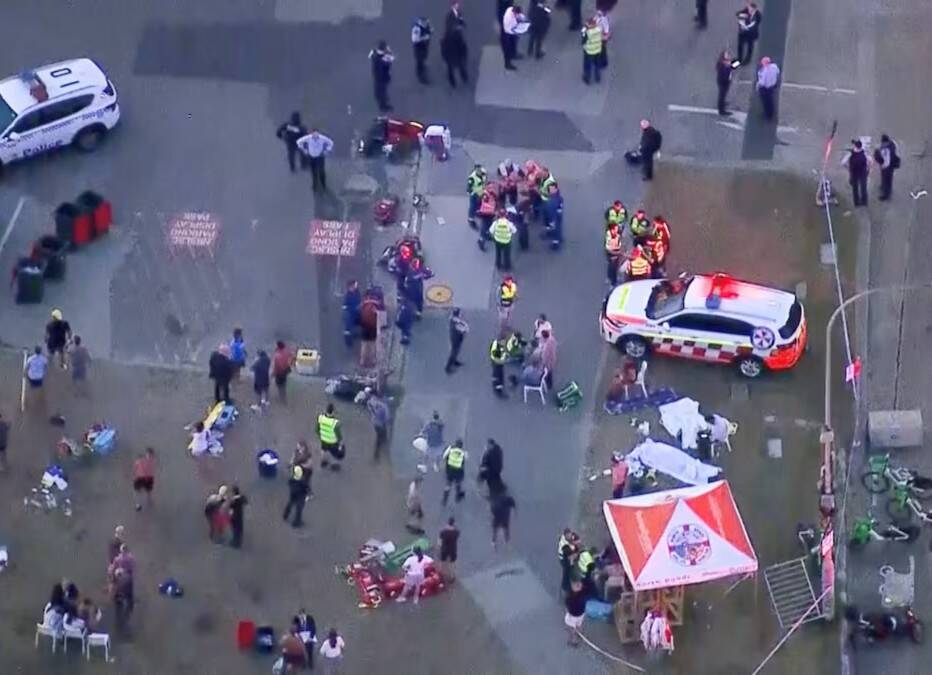
The recent terrorist attack on Bondi Beach, Australia, has left the nation in shock and mourning. On December 14, two men carried out a deadly attack that resulted in the loss of 15 lives. One of the perpetrators, Sajid Akram, was shot and killed by authorities during the attack. However, in a surprising turn of events, Akram’s estranged wife has refused to claim his body, leaving the authorities responsible for his burial.
According to Australian media reports, Akram’s estranged wife has made it clear that she wants nothing to do with him, even in death. This decision has raised many questions about the circumstances surrounding Akram’s life and relationships. Reports suggest that Akram was homeless for at least six months prior to the attack, which has sparked concerns about the support systems in place for individuals struggling with poverty and social isolation.
The attack on Bondi Beach was a devastating event that has left many families and individuals grieving. The fact that Akram’s estranged wife is refusing to claim his body highlights the complexities and challenges faced by those who are connected to individuals involved in extremist activities. It is a difficult and painful situation for all parties involved, and one that requires sensitivity and understanding.
In addition to Akram’s estranged wife, his son Naveed was also apprehended on the scene and is currently in hospital under police guard. The circumstances surrounding Naveed’s involvement in the attack are still unclear, and it is likely that he will face serious charges in the coming weeks and months.
The investigation into the Bondi Beach attack is ongoing, and authorities are working to piece together the events leading up to the tragedy. The fact that Akram was homeless for an extended period raises questions about the support systems in place for individuals struggling with poverty and social isolation. It also highlights the need for greater investment in community programs and services that can provide support and guidance to those who are vulnerable to extremist ideologies.
The refusal of Akram’s estranged wife to claim his body is a significant development in this case, and one that underscores the complexities and challenges faced by those who are connected to individuals involved in extremist activities. It is a painful and difficult situation for all parties involved, and one that requires sensitivity and understanding.
As the investigation into the Bondi Beach attack continues, it is essential that authorities and community leaders work together to provide support and guidance to those who are affected. This includes not only the families of the victims but also those who are connected to the perpetrators, including Akram’s estranged wife and son.
The attack on Bondi Beach has raised many questions about the role of extremist ideologies in Australian society. It has also highlighted the need for greater investment in community programs and services that can provide support and guidance to those who are vulnerable to these ideologies. As the nation comes to terms with this tragedy, it is essential that we work together to build a more inclusive and supportive community, one that can help to prevent similar attacks from occurring in the future.
In conclusion, the refusal of Sajid Akram’s estranged wife to claim his body is a significant development in the investigation into the Bondi Beach attack. It highlights the complexities and challenges faced by those who are connected to individuals involved in extremist activities, and underscores the need for greater investment in community programs and services that can provide support and guidance to those who are vulnerable. As the nation continues to grapple with the aftermath of this tragedy, it is essential that we work together to build a more inclusive and supportive community, one that can help to prevent similar attacks from occurring in the future.
About the Author