Aus terror attack shooter’s estranged wife refuses to claim body
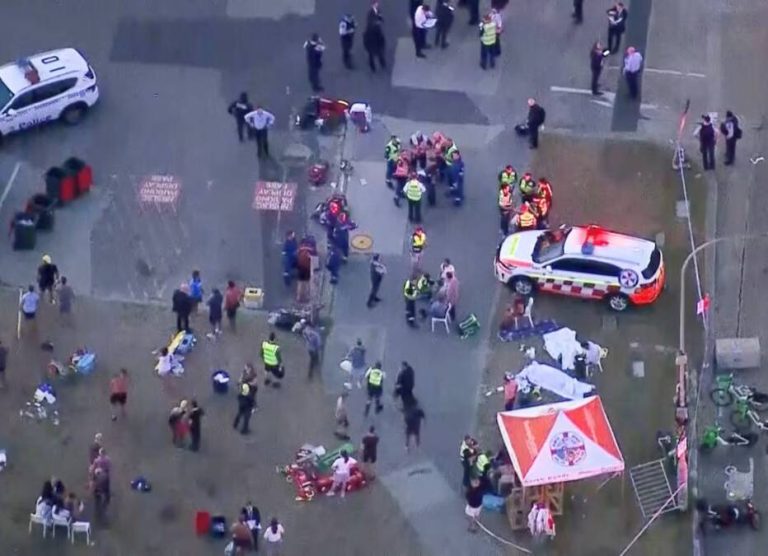
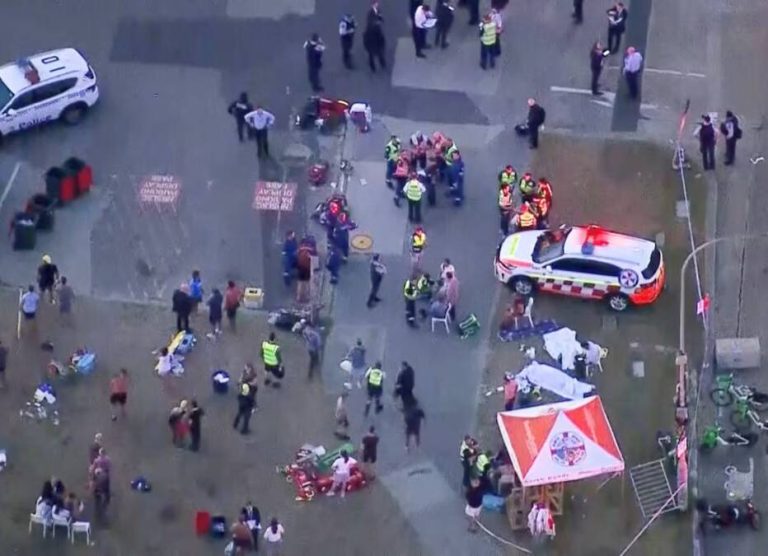
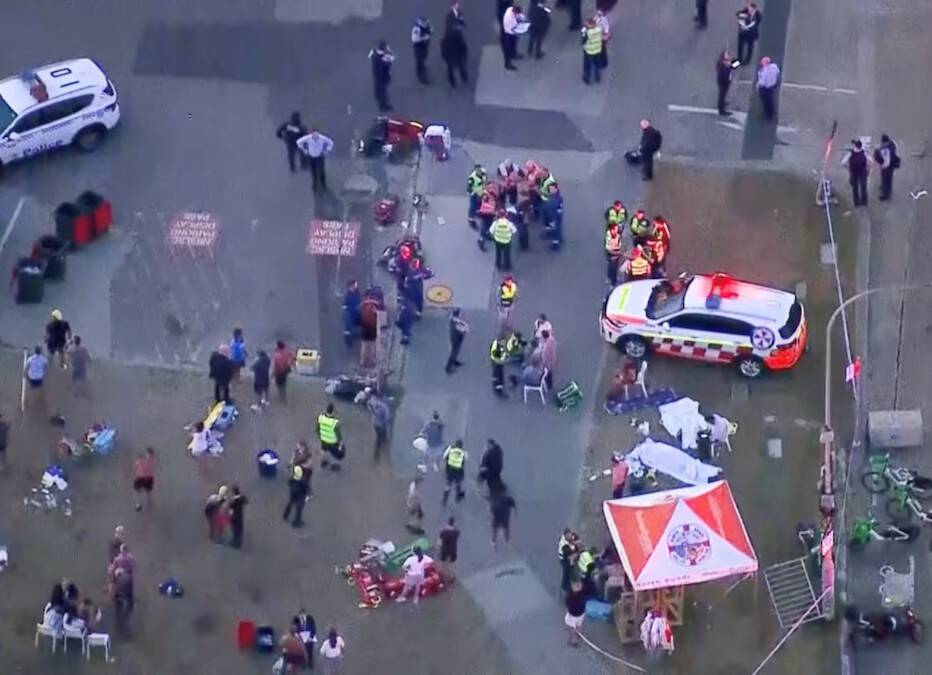
The recent terror attack on Bondi Beach has left the nation in shock and mourning. The attack, which occurred on December 14, resulted in the loss of 15 innocent lives. As the investigation into the attack continues, new details have emerged about the perpetrators, including Sajid Akram, one of the two men behind the deadly attack. In a shocking turn of events, Akram’s estranged wife has refused to claim his body, leaving authorities responsible for his burial, according to Australian media reports.
Akram, who was one of the two men responsible for the devastating attack, was reportedly homeless for at least six months prior to the attack. This revelation has raised questions about the circumstances that led to his radicalization and the events that ultimately culminated in the tragic attack. The fact that Akram was homeless for an extended period suggests that he may have been struggling with personal and financial issues, which may have contributed to his extremist views.
The attack on Bondi Beach was a senseless act of violence that has left the community reeling. The fact that Akram was able to carry out such a heinous act, despite being known to authorities, has raised concerns about the effectiveness of the country’s counter-terrorism measures. The investigation into the attack is ongoing, and it is likely that more details will emerge in the coming days and weeks.
In the aftermath of the attack, Akram’s estranged wife has refused to claim his body, citing that she wants nothing to do with him. This decision has left authorities responsible for arranging his burial, a task that is likely to be met with controversy and opposition. The fact that Akram’s estranged wife has refused to claim his body suggests that she may have been estranged from him for some time and may have had limited contact with him in the months leading up to the attack.
Akram’s son, Naveed, was also apprehended on the scene and is currently in hospital under police guard. The fact that Naveed was involved in the attack, albeit indirectly, has raised concerns about the radicalization of young people and the role of family members in preventing such attacks. It is likely that Naveed will face charges in connection with the attack, and his case will be closely watched as it proceeds through the courts.
The attack on Bondi Beach has sparked a national debate about terrorism and extremism in Australia. The fact that two men were able to carry out such a devastating attack, despite being known to authorities, has raised questions about the country’s counter-terrorism measures and the effectiveness of its intelligence agencies. The government has promised to review its counter-terrorism strategies and to take steps to prevent such attacks in the future.
In the meantime, the community is coming to terms with the aftermath of the attack. The fact that 15 innocent people lost their lives in such a senseless act of violence is a tragedy that will take a long time to heal. The attack has also raised concerns about the safety and security of public places, and it is likely that there will be increased security measures in place in the coming weeks and months.
As the investigation into the attack continues, it is likely that more details will emerge about the perpetrators and their motivations. The fact that Akram’s estranged wife has refused to claim his body suggests that there may have been significant personal and family issues at play, which may have contributed to his radicalization. The role of family members in preventing such attacks will likely be a key area of focus in the coming weeks and months.
In conclusion, the attack on Bondi Beach was a senseless act of violence that has left the nation in shock and mourning. The fact that Akram’s estranged wife has refused to claim his body has added a new dimension to the story, highlighting the complex personal and family issues that may have contributed to his radicalization. As the investigation into the attack continues, it is likely that more details will emerge about the perpetrators and their motivations. The community will continue to come to terms with the aftermath of the attack, and the government will face pressure to take steps to prevent such attacks in the future.
About the Author