Aus Terror Attack Shooter’s Estranged Wife Refuses to Claim Body
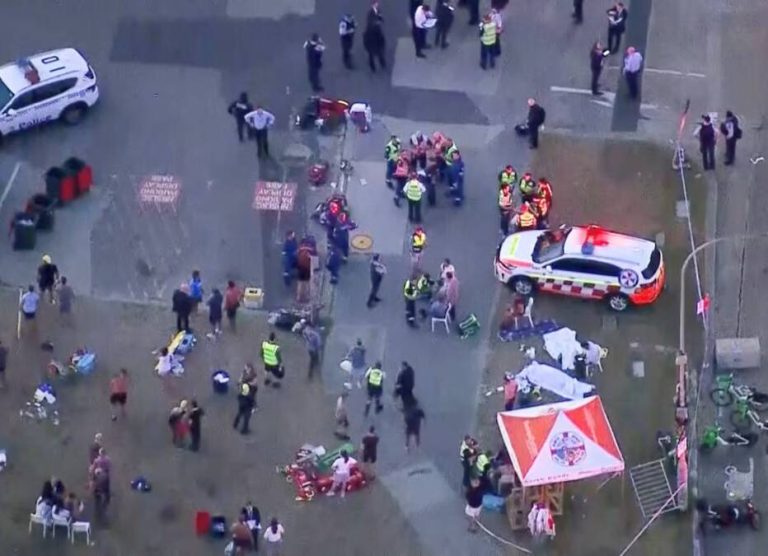
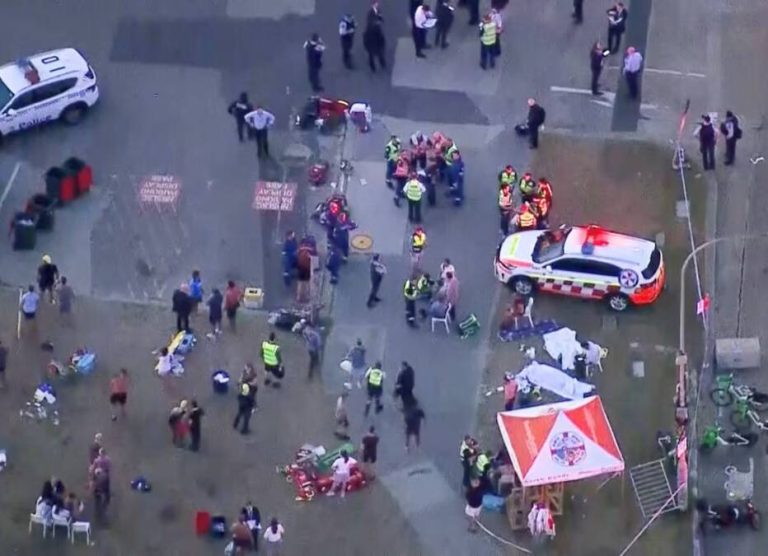
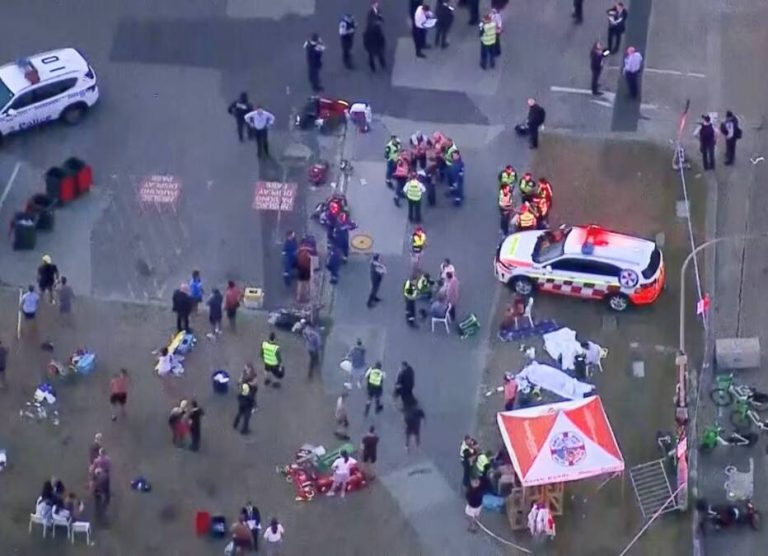
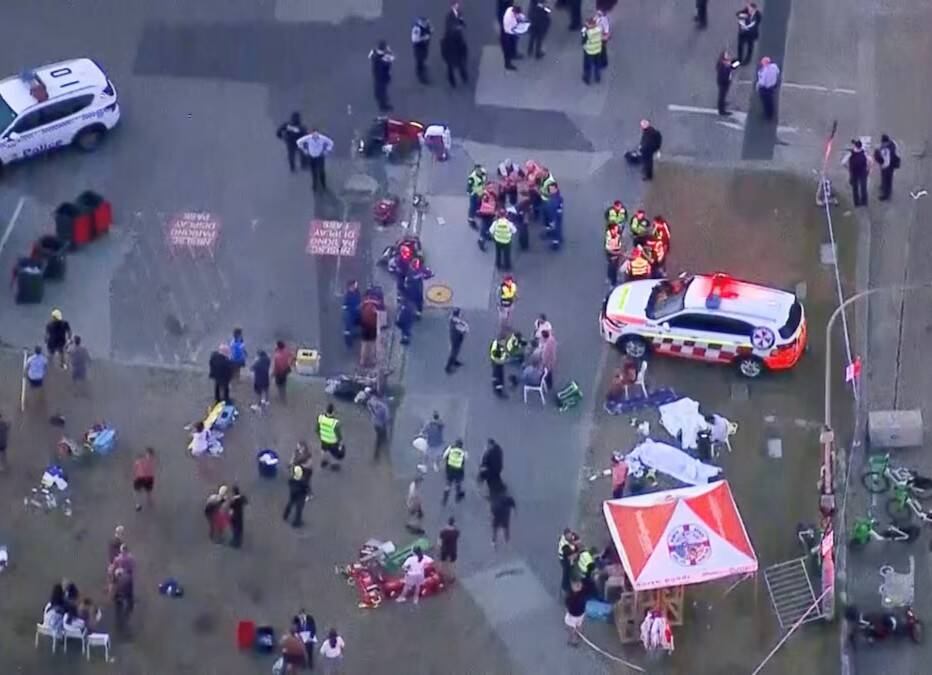
The recent terror attack on Bondi Beach, which resulted in the loss of 15 innocent lives, has sent shockwaves across Australia and the world. The attack, which occurred on December 14, was carried out by two men, one of whom was Sajid Akram. In a surprising turn of events, Akram’s estranged wife has refused to claim his body, leaving the authorities responsible for his burial. According to Australian media, the estranged wife has made it clear that she wants nothing to do with Akram, a decision that has sparked both shock and understanding.
The details surrounding Akram’s life have begun to emerge, and it is reported that he was homeless for at least six months prior to the attack. This revelation has raised questions about the circumstances that led to his radicalization and the events that ultimately culminated in the tragic attack. The fact that Akram was homeless for an extended period has also sparked concerns about the support systems in place for individuals who are struggling with poverty, mental health, and social isolation.
The investigation into the attack is ongoing, and authorities are working to piece together the events leading up to the shooting. Akram’s son, Naveed, was apprehended at the scene and is currently in hospital under police guard. The fact that Naveed was present at the scene has raised questions about his involvement in the attack, and authorities are working to determine the extent of his role.
The refusal of Akram’s estranged wife to claim his body has significant implications for the authorities, who will now be responsible for his burial. This decision has sparked a debate about the responsibility of family members in such situations, and the role of the state in providing support and resources for those affected by terrorism.
The attack on Bondi Beach has had a profound impact on the community, with many residents and visitors left shaken and traumatized. The fact that the attack was carried out by two individuals who were allegedly motivated by extremist ideologies has raised concerns about the spread of radicalization and the need for increased vigilance and counter-terrorism measures.
In the aftermath of the attack, the Australian government has announced plans to increase funding for counter-terrorism initiatives and to implement new measures to prevent radicalization. The government has also pledged to provide support and resources to those affected by the attack, including counseling services and financial assistance.
The story of Sajid Akram and his estranged wife serves as a reminder of the complexities and challenges associated with terrorism and radicalization. The fact that Akram was homeless for an extended period and had become estranged from his family highlights the need for increased support and resources for individuals who are struggling with poverty, mental health, and social isolation.
As the investigation into the attack continues, it is clear that the road to recovery and healing will be long and difficult. The refusal of Akram’s estranged wife to claim his body serves as a poignant reminder of the devastating consequences of terrorism and the need for increased understanding, empathy, and support for those affected by these tragedies.
In conclusion, the recent terror attack on Bondi Beach has sent shockwaves across Australia and the world. The fact that Sajid Akram’s estranged wife has refused to claim his body has significant implications for the authorities and has sparked a debate about the responsibility of family members in such situations. As the investigation into the attack continues, it is clear that the road to recovery and healing will be long and difficult. It is essential that we provide support and resources to those affected by the attack and work towards creating a more just and compassionate society.
About the Author