Angelina Jolie Visits Gaza’s Rafah Crossing Amid Israeli Suspension
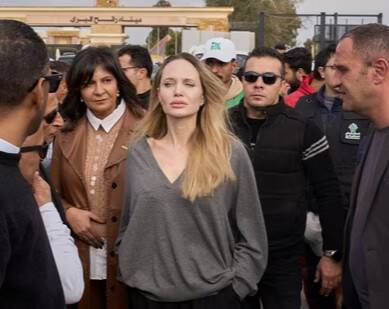
The ongoing conflict in the Gaza Strip has been a pressing concern for the international community, with various organizations and individuals working tirelessly to provide aid and support to those affected. Recently, Hollywood actress and former UN special envoy Angelina Jolie visited the Rafah Crossing in Gaza, highlighting the plight of the people living in the region. Her visit came at a time when Israel announced the suspension of aid organizations working in the Gaza Strip without renewed registrations, according to a report by CNN.
The Rafah Crossing, which connects the Gaza Strip to Egypt, is a critical entry point for humanitarian aid and essential goods. However, the crossing has been subject to frequent closures and restrictions, exacerbating the already dire situation in Gaza. Angelina Jolie’s visit to the Rafah Crossing aimed to draw attention to the struggles faced by the people of Gaza, particularly in the face of Israel’s recent announcement.
During her visit, Angelina Jolie witnessed firsthand the impact of the Israeli suspension on aid organizations. “I walked through a large warehouse that was full of items that were denied entry, most of them medical,” she said. This statement highlights the severity of the situation, where essential medical supplies are being denied entry, further compromising the already fragile healthcare system in Gaza.
The Israeli government’s decision to suspend aid organizations without renewed registrations has sparked widespread concern among humanitarian groups. Many organizations have been working in the Gaza Strip for years, providing vital assistance to the population, including food, shelter, and healthcare. The suspension of these organizations will undoubtedly have far-reaching consequences, exacerbating the humanitarian crisis in the region.
Angelina Jolie’s visit to the Rafah Crossing serves as a powerful reminder of the importance of international attention and support for the people of Gaza. As a former UN special envoy, she has a deep understanding of the complexities of the conflict and the need for a peaceful resolution. Her presence in Gaza helps to amplify the voices of those affected by the conflict, bringing much-needed attention to their plight.
The situation in Gaza is complex and multifaceted, with various factors contributing to the ongoing crisis. The Israeli blockade, which has been in place since 2007, has severely restricted the movement of people and goods in and out of the Gaza Strip. This has led to widespread poverty, unemployment, and a lack of access to basic necessities like healthcare and education.
The international community has a critical role to play in addressing the crisis in Gaza. Governments, organizations, and individuals must work together to provide humanitarian aid, support economic development, and advocate for a peaceful resolution to the conflict. Angelina Jolie’s visit to the Rafah Crossing is a testament to the power of individual action, highlighting the importance of raising awareness and mobilizing support for the people of Gaza.
As the situation in Gaza continues to deteriorate, it is essential that the international community takes immediate action to address the crisis. This includes providing urgent humanitarian aid, supporting the work of aid organizations, and advocating for a peaceful resolution to the conflict. The people of Gaza deserve our attention, support, and solidarity, and it is our collective responsibility to ensure that their voices are heard and their needs are met.
In conclusion, Angelina Jolie’s visit to the Rafah Crossing in Gaza serves as a powerful reminder of the ongoing crisis in the region. Her presence helps to amplify the voices of those affected by the conflict, bringing much-needed attention to their plight. As the international community, we must work together to provide humanitarian aid, support economic development, and advocate for a peaceful resolution to the conflict. The people of Gaza deserve our support, and it is our collective responsibility to ensure that their voices are heard and their needs are met.
About the Author