Woman with memory issues gets hit by 2-wheeler, found with help of GPS tracker in Mumbai
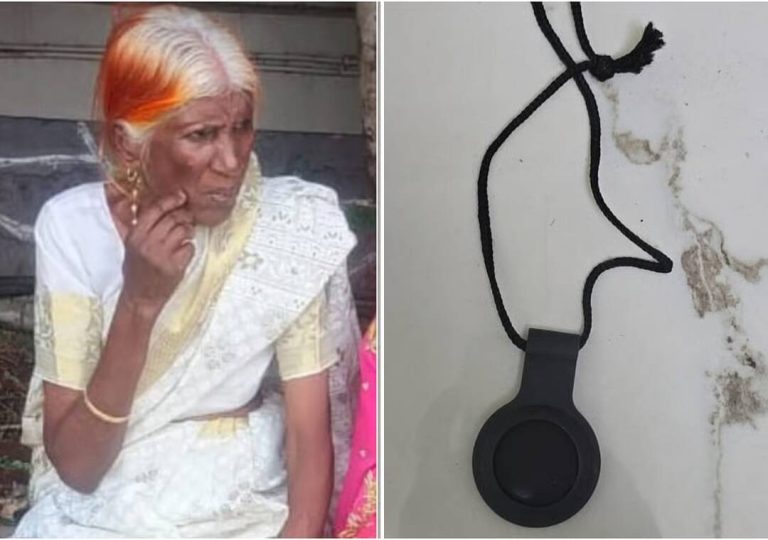
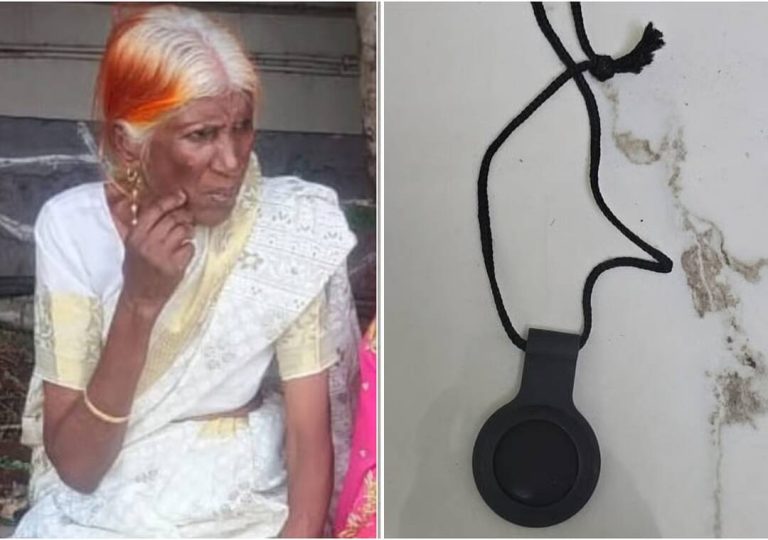
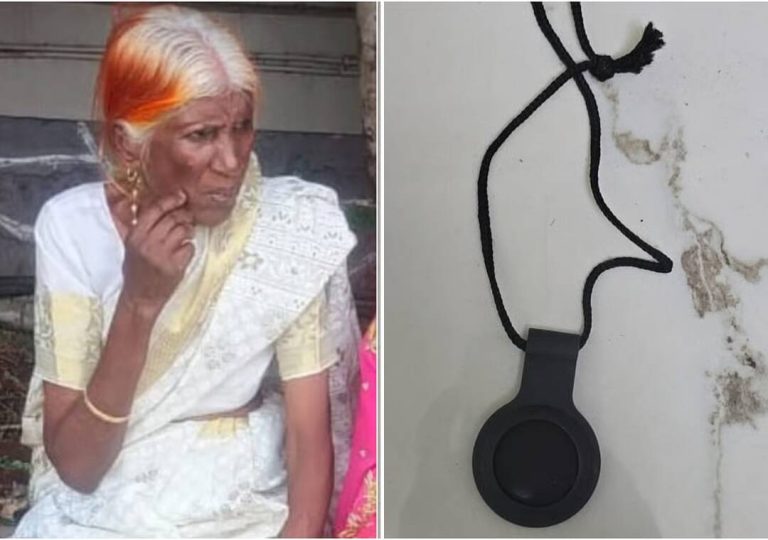
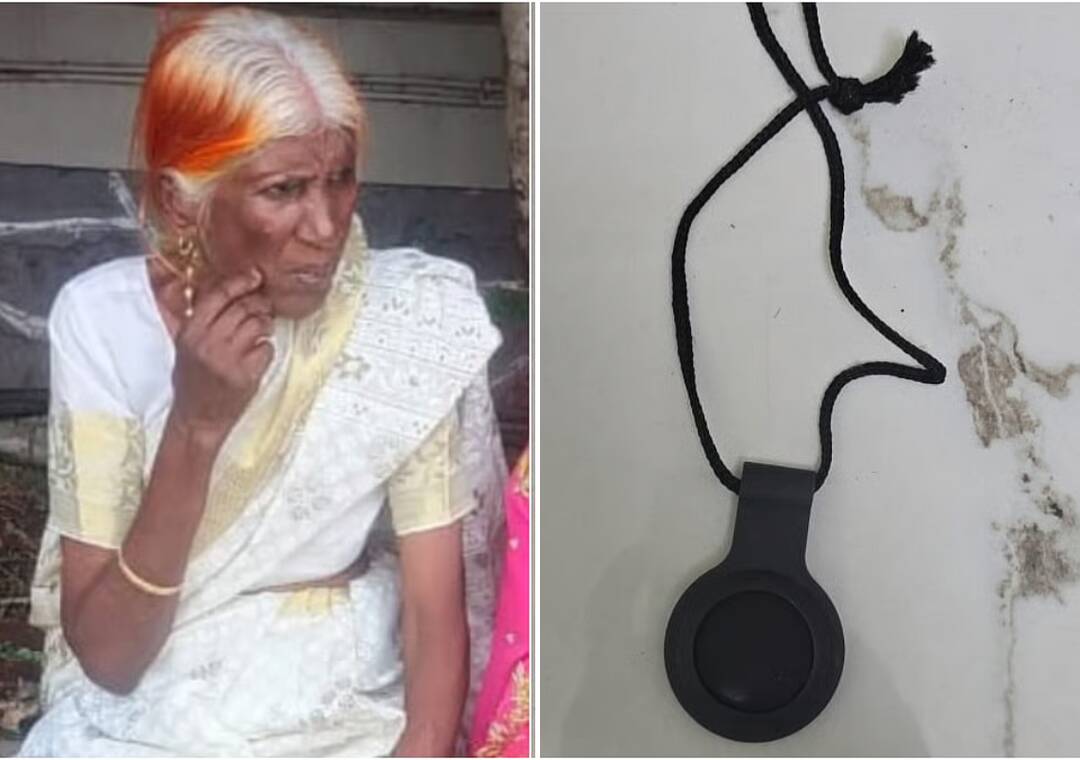
In a heart-wrenching incident that highlights the importance of technology in our daily lives, a 79-year-old woman in Mumbai’s Sewri, who suffers from memory-related issues, was hit by a two-wheeler while out for an evening walk. The incident, which could have had a devastating outcome, was mitigated thanks to the quick thinking of her grandson, who had taken the precaution of fitting her with a GPS tracker due to her medical condition. This tracker ultimately led to her being found at KEM Hospital, where a passerby had taken her after the accident.
The woman, whose identity has not been disclosed, was out for her evening walk when the unfortunate incident occurred. As she failed to return home, her family grew concerned and began searching for her. However, their efforts were in vain, and it was only when her grandson activated the GPS tracker that they were able to locate her. The tracker, which was attached to her necklace, had been fitted to help the family keep tabs on her movements, given her memory-related issues.
The use of GPS trackers for individuals with memory-related conditions is a growing trend, and this incident highlights the potential life-saving benefits of such technology. For families caring for loved ones with dementia, Alzheimer’s, or other conditions that affect memory and cognitive function, GPS trackers can provide an added layer of security and peace of mind. These devices can be worn as a pendant, watch, or even embedded in clothing, allowing caregivers to monitor the wearer’s location in real-time.
In this case, the GPS tracker proved to be a game-changer. After the woman’s family was unable to find her, her grandson activated the tracker, which led them to KEM Hospital. It was there that they discovered she had been taken by a passerby after being hit by the two-wheeler. The passerby, who has not been named, had apparently found the woman injured on the road and had taken her to the hospital for treatment.
The incident serves as a stark reminder of the importance of being prepared and taking proactive measures to ensure the safety of loved ones with memory-related issues. As our population ages, the number of individuals living with dementia and Alzheimer’s is expected to rise, making it essential for families and caregivers to explore available technologies that can help mitigate the risks associated with these conditions.
Furthermore, this incident highlights the need for greater awareness and education about the benefits of GPS tracking technology for individuals with memory-related conditions. While such devices are not a substitute for human care and attention, they can provide an added layer of security and support, allowing individuals to maintain their independence while also ensuring their safety.
In addition to GPS trackers, there are several other technologies and strategies that families can employ to support loved ones with memory-related issues. These include:
- Wearable devices: Smartwatches, pendants, and other wearable devices can be equipped with GPS tracking, fall detection, and other features that can help monitor an individual’s safety and well-being.
- Mobile apps: A range of mobile apps are available that can help families track the location of loved ones, receive alerts in case of emergencies, and even monitor their daily activities.
- Home safety devices: Devices such as motion sensors, door alarms, and medication reminders can help create a safe and supportive environment for individuals with memory-related conditions.
In conclusion, the incident involving the 79-year-old woman in Mumbai’s Sewri serves as a powerful reminder of the importance of technology in supporting individuals with memory-related issues. The use of GPS trackers and other devices can provide families with an added layer of security and peace of mind, allowing loved ones to maintain their independence while also ensuring their safety. As we move forward, it is essential that we continue to explore and develop innovative technologies that can support individuals with memory-related conditions, ultimately improving their quality of life and well-being.
About the Author