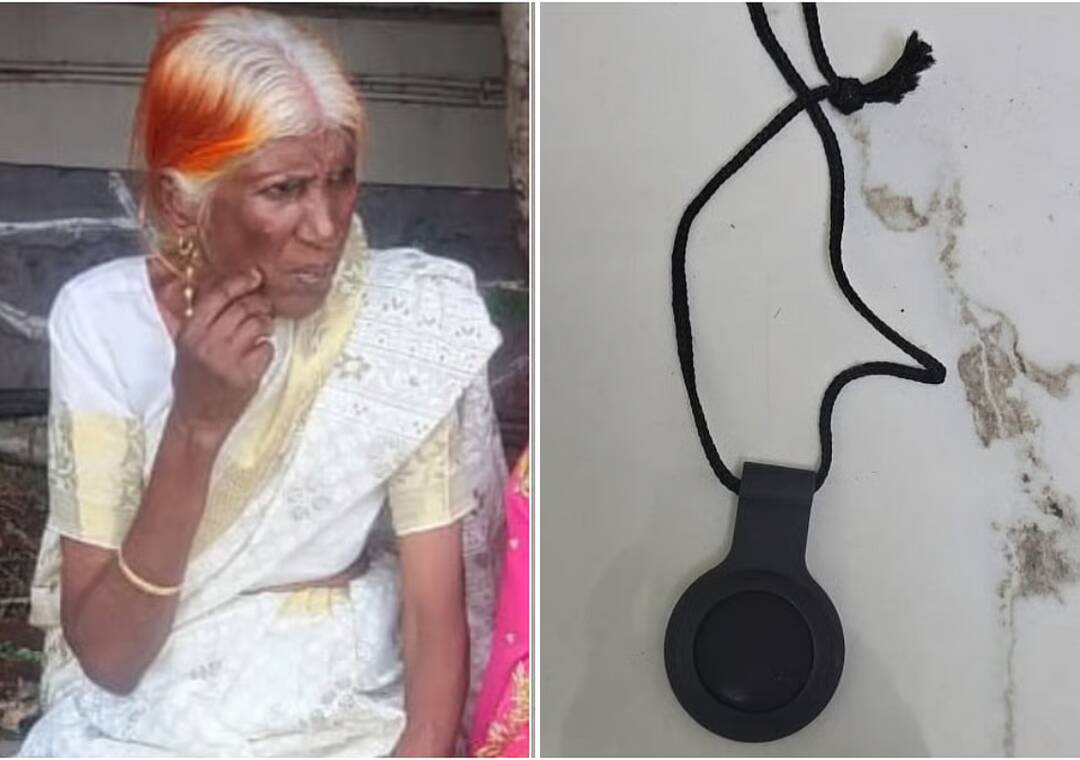
Woman with memory issues gets hit by 2-wheeler, found with help of GPS tracker in Mumbai
In a heart-wrenching incident, a 79-year-old woman from Mumbai’s Sewri area, who suffers from memory-related issues, was hit by a two-wheeler while she was out for an evening walk. The incident highlights the risks that people with dementia or Alzheimer’s face when they venture out alone, and how technology can play a crucial role in ensuring their safety.
According to reports, the elderly woman, whose identity has not been disclosed, was out for a walk in the evening when she was struck by a two-wheeler. The rider, however, did not stop to help her and fled the scene, leaving the woman injured and disoriented. The woman’s family, who had been searching for her, were unable to find her and were growing increasingly worried.
It was then that her grandson, who had been taking care of her, remembered that he had fitted a GPS tracker on her necklace due to her medical condition. The tracker, which was designed to help locate people with dementia or Alzheimer’s who may wander off, proved to be a lifesaver in this situation. The grandson activated the GPS tracker and was able to locate his grandmother’s whereabouts.
To their relief, the GPS tracker showed that the woman was at the King Edward Memorial (KEM) Hospital, where a passerby had taken her after finding her injured on the road. The family immediately rushed to the hospital and were reunited with their loved one.
The incident highlights the importance of using technology to ensure the safety of people with dementia or Alzheimer’s. GPS trackers, in particular, can be a valuable tool in locating individuals who may wander off, especially in urban areas where it can be difficult to find someone who is lost.
The use of GPS trackers for people with dementia or Alzheimer’s is becoming increasingly common, and it’s easy to see why. These devices can provide peace of mind for families and caregivers, who can use them to locate their loved ones quickly and easily. They can also help to prevent accidents, such as the one that occurred in this incident, by allowing families to track their loved ones’ movements and intervene if necessary.
In addition to GPS trackers, there are other technologies that can be used to support people with dementia or Alzheimer’s. For example, wearable devices that can detect falls or other emergencies can alert caregivers or emergency services, ensuring that help arrives quickly. There are also apps that can help people with dementia or Alzheimer’s to navigate their surroundings, providing them with directions and reminders to help them stay safe.
The incident in Mumbai also highlights the importance of community support and kindness. The passerby who took the woman to the hospital is a hero, and their actions demonstrate the impact that one person can have on someone’s life. It’s a reminder that we all have a role to play in supporting people with dementia or Alzheimer’s, and that even small acts of kindness can make a big difference.
In conclusion, the incident in Mumbai is a powerful reminder of the importance of using technology to support people with dementia or Alzheimer’s. GPS trackers, wearable devices, and other technologies can all play a crucial role in ensuring the safety and well-being of individuals with these conditions. By embracing these technologies and working together as a community, we can help to create a safer and more supportive environment for people with dementia or Alzheimer’s.
About the Author