Woman with memory issues gets hit by 2-wheeler, found with help of GPS tracker in Mumbai
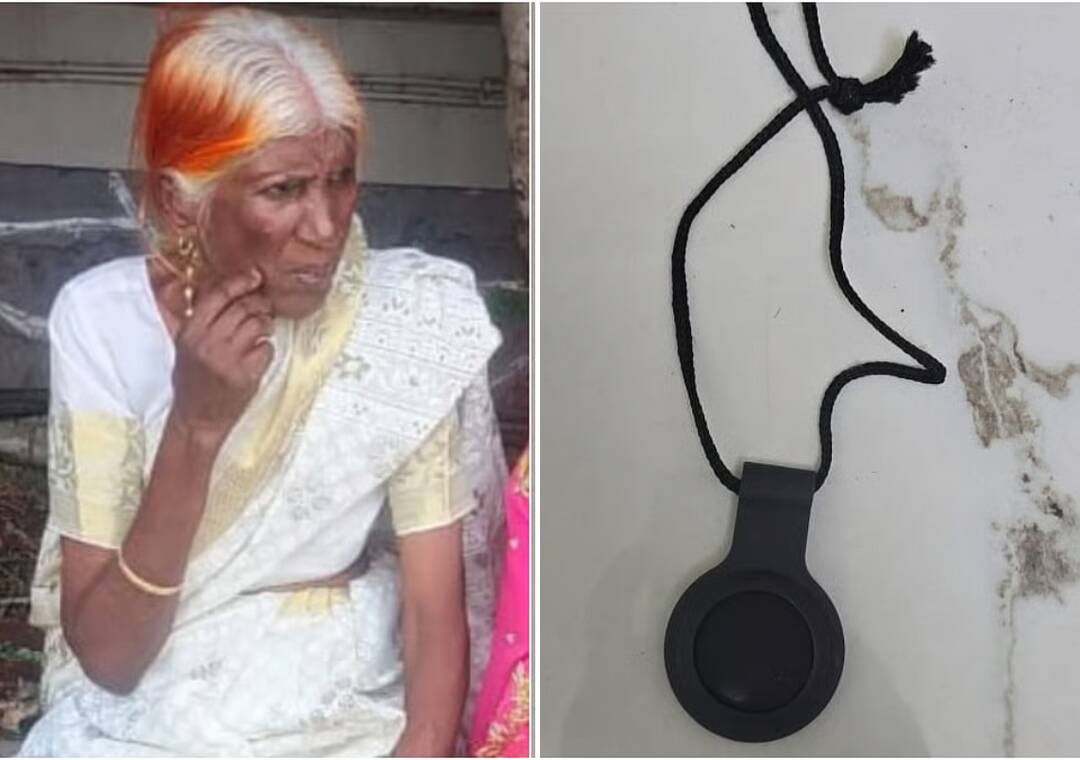
In a remarkable display of how technology can be a lifesaver, a 79-year-old woman in Mumbai’s Sewri area, who suffers from memory-related issues, was found at a hospital after being hit by a two-wheeler while out for an evening walk. The woman’s family had been searching for her frantically, but it was a GPS tracker that ultimately led them to her location.
According to reports, the woman was out for a walk in the evening when she was struck by a two-wheeler. The rider, however, did not stop to help her and instead fled the scene, leaving the woman injured and alone. A passerby, who witnessed the accident, took it upon himself to take the woman to the nearby KEM Hospital, where she received medical attention.
Meanwhile, the woman’s family was searching for her everywhere, but to no avail. Her grandson, who had been taking care of her, was particularly worried, given her medical condition. The woman’s memory issues made it difficult for her to remember her way back home or even her own identity, which added to the family’s concern.
It was then that the grandson remembered the GPS tracker that he had placed on his grandmother’s necklace. The tracker was a precautionary measure, given her medical condition, and was designed to help the family locate her in case she ever got lost. The grandson quickly activated the tracker and was relieved to see the woman’s location pop up on his screen.
To his relief, the tracker showed that the woman was at KEM Hospital, which was a few kilometers away from their home. The family immediately rushed to the hospital and was reunited with the woman, who was being treated for her injuries. The woman’s family was grateful to the passerby who had taken her to the hospital and also to the hospital staff for providing her with timely medical attention.
This incident highlights the importance of using technology to help individuals with memory-related issues or other medical conditions. GPS trackers, in particular, can be a lifesaver in such situations, as they allow families to locate their loved ones quickly and easily. In this case, the tracker not only helped the family find the woman but also ensured that she received medical attention in time.
The use of GPS trackers for individuals with memory-related issues is becoming increasingly common, and for good reason. These devices can provide peace of mind for families and caregivers, who can track the location of their loved ones in real-time. They can also help prevent accidents and injuries, by ensuring that individuals with memory issues do not wander off and get lost.
In addition to GPS trackers, there are several other technologies that can be used to help individuals with memory-related issues. For example, wearable devices with GPS and fall detection capabilities can alert caregivers in case the individual falls or wanders off. There are also mobile apps that can help individuals with memory issues remember important tasks and appointments, and even provide them with directions and navigation assistance.
In conclusion, the incident involving the 79-year-old woman in Mumbai’s Sewri area highlights the importance of using technology to help individuals with memory-related issues. The GPS tracker that was placed on her necklace proved to be a lifesaver, as it allowed her family to locate her quickly and easily. As technology continues to evolve, it is likely that we will see even more innovative solutions for helping individuals with memory-related issues, and for keeping them safe and connected.
About the Author