Woman with memory issues gets hit by 2-wheeler, found with help of GPS tracker in Mumbai
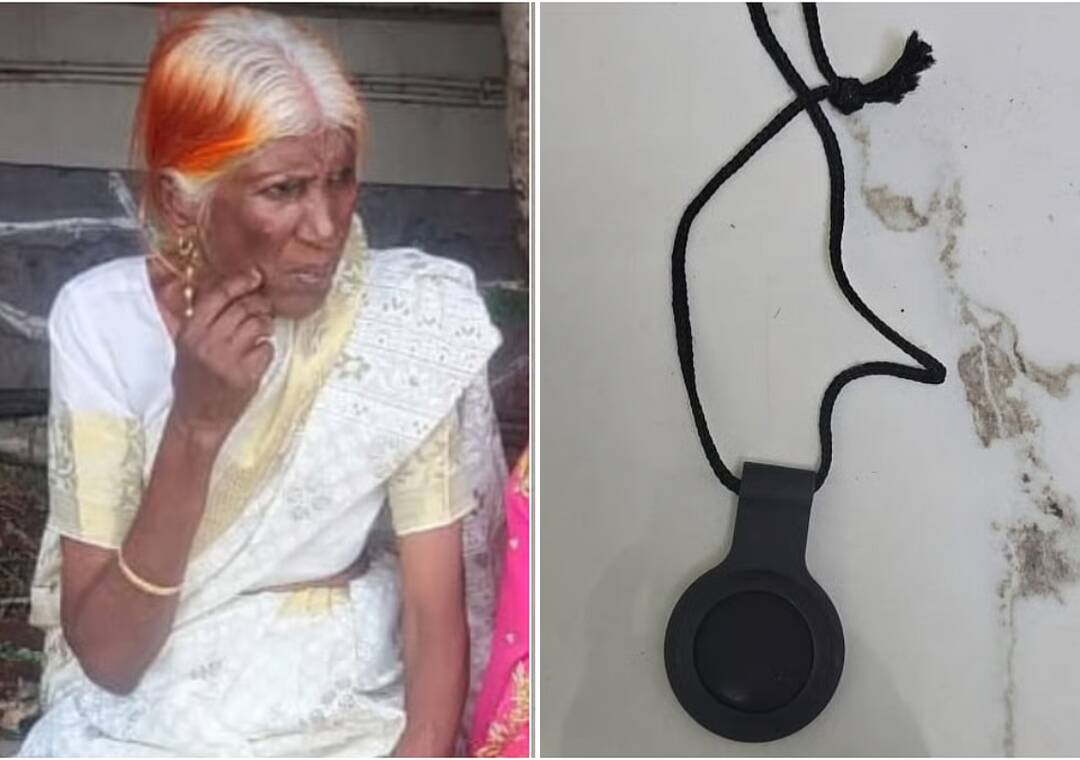
In a heart-wrenching incident, a 79-year-old woman in Mumbai’s Sewri, who has been struggling with memory-related issues, was hit by a two-wheeler while she was out for an evening walk. The incident occurred when the woman, who has been suffering from memory loss, wandered out of her home without informing her family members. As the sun began to set, her family grew concerned and started searching for her, but she was nowhere to be found.
As the hours ticked by, the family’s anxiety turned into desperation. They scoured the neighborhood, asked around, and even contacted local authorities, but there was no sign of the elderly woman. It was as if she had vanished into thin air. The family was beside themselves with worry, fearing the worst.
However, in a remarkable turn of events, the woman’s grandson, who had been searching for her, remembered that he had placed a GPS tracker on her necklace due to her medical condition. The GPS tracker, which was designed to help locate individuals with dementia or Alzheimer’s disease, proved to be a lifesaver in this situation.
The grandson quickly activated the GPS tracker and was relieved to find that it was still transmitting the woman’s location. To their surprise, the GPS tracker indicated that the woman was at KEM Hospital, a prominent hospital in Mumbai. The family rushed to the hospital and was overjoyed to find the woman receiving treatment for her injuries.
According to reports, a passerby had found the woman lying on the road after the accident and had taken her to the hospital. The woman had suffered injuries, including bruises and cuts, but fortunately, her condition was stable. The family was grateful to the passerby for their kindness and quick thinking, which had saved the woman’s life.
The incident highlights the importance of using technology to aid individuals with memory-related issues. The GPS tracker, which was designed to help the family keep track of the woman’s whereabouts, proved to be a vital tool in locating her after the accident. It also underscores the need for families to take proactive measures to ensure the safety and well-being of their loved ones who may be struggling with memory loss or other medical conditions.
The use of GPS trackers and other assistive technologies can help families care for their loved ones with greater ease and confidence. These devices can provide peace of mind, knowing that help is just a click away in case of an emergency. Moreover, they can also help prevent accidents and injuries by enabling families to keep track of their loved ones’ movements and activities.
In this case, the GPS tracker played a crucial role in reuniting the family with their beloved matriarch. The woman’s family was grateful for the technology, which had helped them find her when all hope seemed lost. The incident serves as a reminder of the power of technology to transform lives and make a positive impact on our communities.
As we age, our bodies undergo a range of changes that can affect our physical and mental health. Memory loss, dementia, and Alzheimer’s disease are just a few of the conditions that can affect older adults. While these conditions can be challenging to manage, there are many resources available to help families care for their loved ones.
From assistive technologies like GPS trackers to support groups and counseling services, there are many ways to support individuals with memory-related issues. By taking advantage of these resources, families can help their loved ones live fulfilling and independent lives, while also ensuring their safety and well-being.
In conclusion, the incident involving the 79-year-old woman in Mumbai’s Sewri serves as a poignant reminder of the importance of using technology to aid individuals with memory-related issues. The GPS tracker, which was placed on the woman’s necklace, proved to be a lifesaver, enabling her family to locate her after the accident. As we continue to navigate the complexities of aging and healthcare, it is essential to leverage technology and other resources to support our loved ones and ensure their safety and well-being.
About the Author