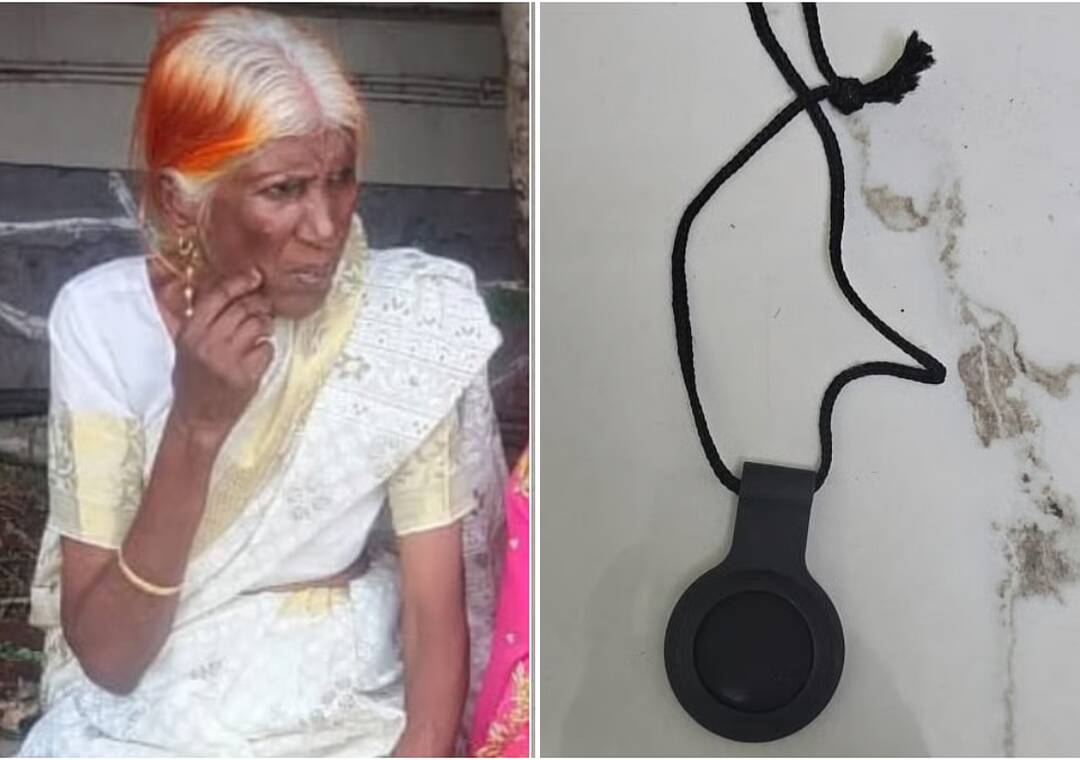
Woman with memory issues gets hit by 2-wheeler, found with help of GPS tracker in Mumbai
In a remarkable example of how technology can be a lifesaver, a 79-year-old woman in Mumbai’s Sewri, who has memory-related issues, was found at a hospital after being hit by a two-wheeler while she was out for an evening walk. The woman’s family was frantic with worry when they couldn’t find her, but thanks to a GPS tracker that her grandson had placed on her necklace, they were able to locate her and get her the medical attention she needed.
According to reports, the woman, who suffers from memory-related issues, had gone out for a walk in the evening, but failed to return home. Her family searched for her everywhere, but she was nowhere to be found. It was then that her grandson remembered the GPS tracker that he had placed on her necklace, which was a precautionary measure due to her medical condition. He activated the tracker and was able to locate her at KEM Hospital, where a passerby had taken her after she was hit by the two-wheeler.
The incident highlights the importance of using technology to keep track of loved ones, especially those who suffer from memory-related issues or other medical conditions that may make them vulnerable. The GPS tracker, which is a small device that can be worn as a pendant or attached to a keychain, uses satellite technology to provide real-time location information. This information can be accessed by family members or caregivers through a smartphone app, allowing them to keep track of the person’s whereabouts and ensure their safety.
In this case, the GPS tracker proved to be a lifesaver, as it allowed the woman’s family to locate her quickly and get her the medical attention she needed. The fact that a passerby had taken her to the hospital after the accident is also a testament to the kindness of strangers and the importance of community support.
The use of GPS trackers to keep track of people with memory-related issues is becoming increasingly common, and it’s easy to see why. These devices can provide peace of mind for family members and caregivers, who can rest assured that their loved ones are safe and can be located quickly in case of an emergency. They can also help to prevent accidents and injuries, by allowing family members to track the person’s movements and intervene if necessary.
In addition to GPS trackers, there are many other technologies that can be used to support people with memory-related issues. For example, wearable devices such as smartwatches and fitness trackers can be used to monitor the person’s activity levels and provide reminders and alerts. There are also many apps and online platforms that can be used to provide support and resources for people with memory-related issues and their caregivers.
The incident in Mumbai’s Sewri is a powerful reminder of the importance of using technology to support people with memory-related issues. By providing a way to keep track of loved ones and ensure their safety, GPS trackers and other technologies can be a lifesaver. As the population ages and the number of people with memory-related issues continues to grow, it’s likely that we’ll see even more innovative solutions emerge to support these individuals and their caregivers.
In conclusion, the story of the 79-year-old woman in Mumbai’s Sewri is a heartening one, and it highlights the importance of using technology to support people with memory-related issues. By using a GPS tracker to keep track of her whereabouts, the woman’s family was able to locate her quickly and get her the medical attention she needed. This incident is a powerful reminder of the potential of technology to improve our lives and keep us safe, and it’s a testament to the kindness of strangers and the importance of community support.
About the Author