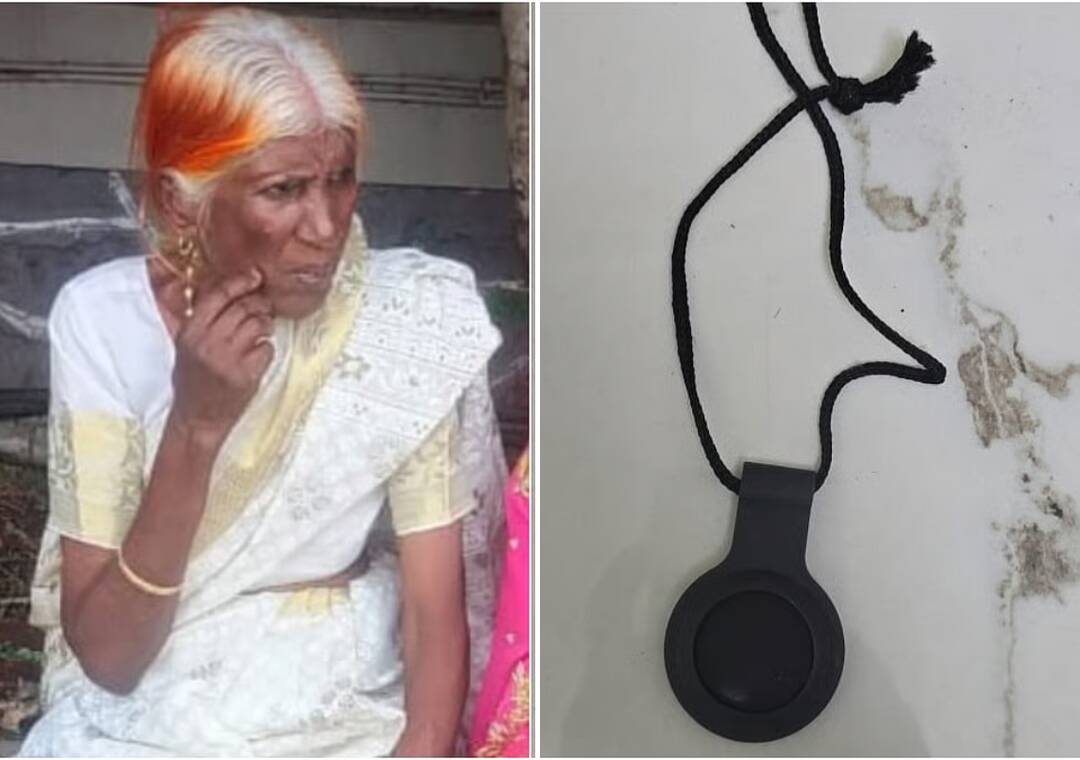
Woman with memory issues gets hit by 2-wheeler, found with help of GPS tracker in Mumbai
In a remarkable display of how technology can be a lifesaver, a 79-year-old woman in Mumbai’s Sewri, who suffers from memory-related issues, was found safe and sound at a hospital after being hit by a two-wheeler while out for an evening walk. The incident highlights the importance of leveraging technology, such as GPS trackers, to ensure the safety and well-being of individuals with medical conditions that may impair their ability to seek help or find their way back home.
According to reports, the elderly woman, who has been battling memory issues, had ventured out for a walk in the evening, a routine that her family was familiar with. However, when she failed to return home after a few hours, her family began to worry. Despite their best efforts to locate her, they were unable to find her anywhere. It was then that her grandson, who had been taking care of her, remembered the GPS tracker that he had placed on her necklace due to her medical condition.
The GPS tracker, which had been programmed to send location updates to the family’s smartphone, proved to be a crucial tool in locating the missing woman. After activating the tracker, the family was able to pinpoint her location to KEM Hospital, where she had been taken by a passerby after being hit by the two-wheeler. The family immediately rushed to the hospital and was relieved to find her safe, albeit injured.
The incident is a stark reminder of the dangers that individuals with memory-related issues face, particularly when they are out and about in public. Their condition can make it difficult for them to recall their whereabouts, contact information, or even their own identity, leaving them vulnerable to accidents, exploitation, and other forms of harm. In such cases, the use of GPS trackers can be a game-changer, providing families with a sense of security and peace of mind.
The use of GPS trackers for individuals with memory-related issues is not a new concept. In recent years, there has been a growing trend of using wearable devices, such as smartwatches, bracelets, and pendants, that are equipped with GPS technology. These devices can be programmed to send location updates to caregivers, family members, or emergency services, ensuring that the individual can be quickly located in the event of an emergency.
In this particular case, the GPS tracker proved to be a lifesaver, enabling the family to locate the woman and ensure that she received the medical attention she needed. The fact that a passerby had taken her to the hospital is a testament to the kindness of strangers, but it also highlights the importance of having a system in place to quickly locate and identify individuals who may be unable to do so themselves.
The incident also raises awareness about the need for greater support and resources for individuals with memory-related issues and their families. Caregivers often face significant challenges in caring for loved ones with these conditions, from managing their daily routines to ensuring their safety and well-being. The use of technology, such as GPS trackers, can be a valuable tool in this regard, but it is also important to recognize the need for greater awareness, education, and support for these individuals and their families.
In conclusion, the story of the 79-year-old woman who was hit by a two-wheeler and found with the help of a GPS tracker is a powerful reminder of the importance of leveraging technology to ensure the safety and well-being of individuals with memory-related issues. As our population ages and the prevalence of these conditions continues to rise, it is essential that we prioritize the development and use of technologies that can help support and care for these individuals. By doing so, we can help ensure that they are able to live safely, independently, and with dignity.
About the Author