Woman with memory issues gets hit by 2-wheeler, found with help of GPS tracker in Mumbai
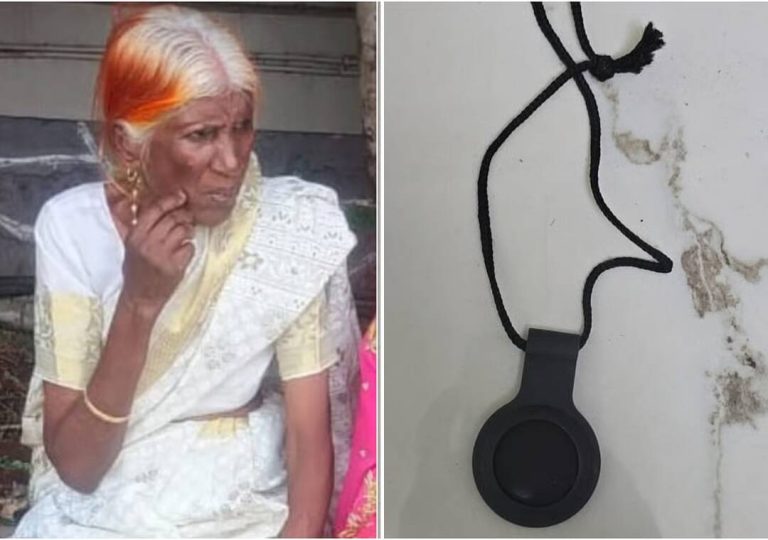
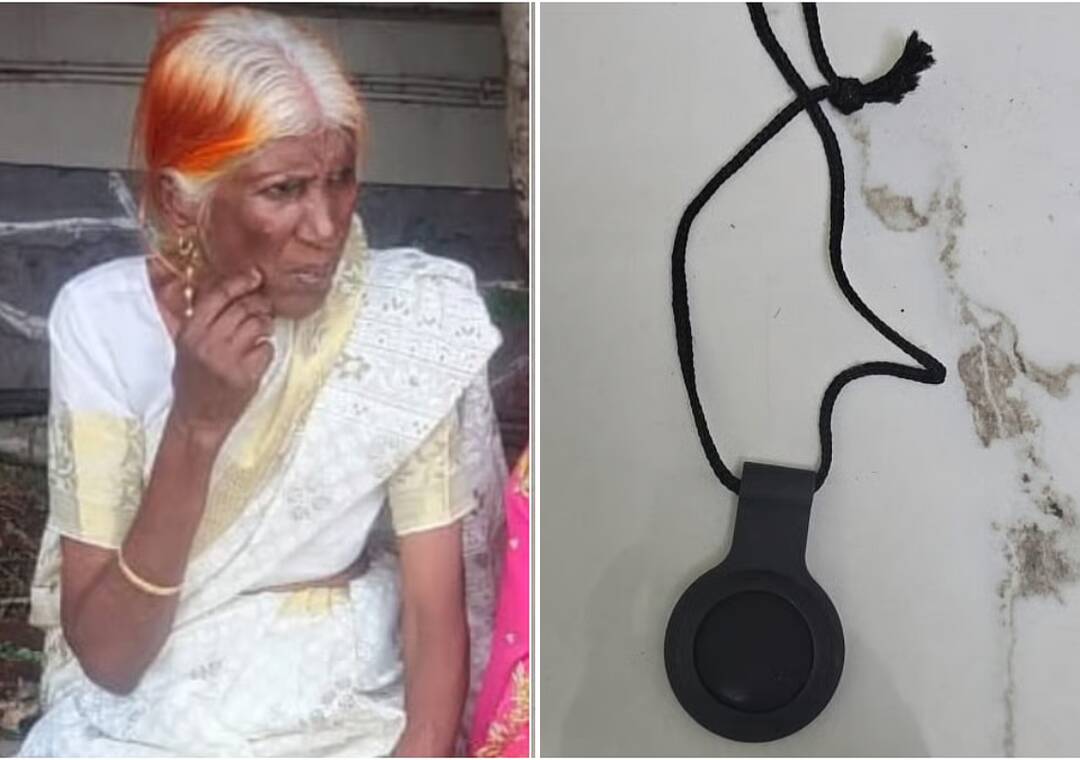
In a heart-wrenching yet technologically uplifting incident, a 79-year-old woman in Mumbai’s Sewri, who has been struggling with memory-related issues, was hit by a two-wheeler while she was out for an evening walk. The incident highlights the importance of embracing technology to ensure the safety and well-being of our loved ones, especially those who are vulnerable due to medical conditions.
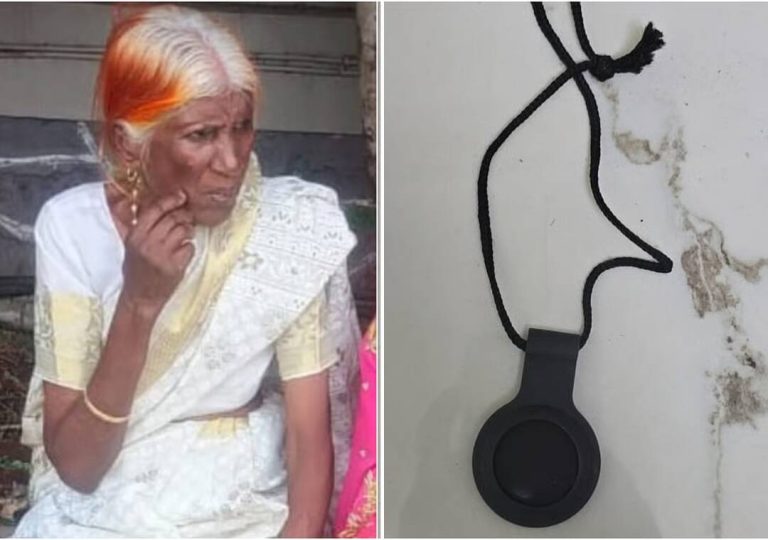
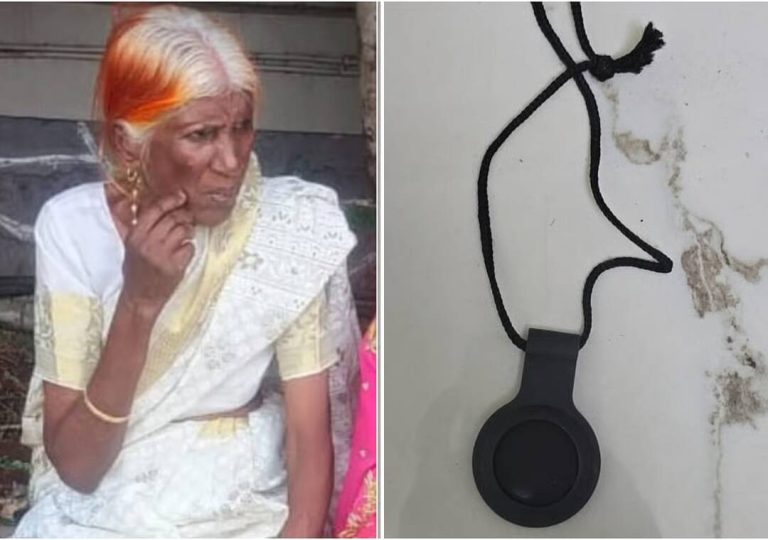
The elderly woman, whose identity has not been disclosed, had ventured out for a walk in the evening, a routine that she followed regularly. However, due to her memory-related issues, she failed to return home, leaving her family in a state of panic. The family launched a frantic search for her, but their efforts were in vain. It was then that her grandson, who had been taking care of her, remembered the GPS tracker that he had placed on her necklace as a precautionary measure due to her medical condition.
The GPS tracker, which had been programmed to send alerts to the grandson’s phone in case of an emergency, proved to be a lifesaver. After activating the tracker, the grandson was able to locate his grandmother’s whereabouts, which led him to KEM Hospital. To their surprise, they found that a passerby had taken her to the hospital after she was hit by the two-wheeler.
The incident is a grim reminder of the risks that people with memory-related issues face, especially when they are out in public. The fact that the woman was hit by a two-wheeler and left unattended on the road is a disturbing reflection of the lack of empathy and concern for human life that exists in our society. However, the fact that a passerby took her to the hospital is a beacon of hope, highlighting the kindness and compassion that still exists among people.
The use of GPS trackers to monitor the movements of people with memory-related issues is a growing trend, and for good reason. These devices can be programmed to send alerts to caregivers or family members in case of an emergency, ensuring that help reaches the person in need quickly. In this case, the GPS tracker played a crucial role in locating the woman and reuniting her with her family.
The incident also highlights the importance of embracing technology to improve the lives of people with disabilities or medical conditions. From wearable devices that track vital signs to mobile apps that provide assistance with daily tasks, technology has the potential to transform the lives of people with memory-related issues, making them more independent and safe.
In recent years, there has been a growing awareness about the importance of using technology to support people with disabilities or medical conditions. Governments and organizations have launched initiatives to promote the use of assistive technology, and companies are developing innovative products and services to cater to this segment.
The use of GPS trackers is just one example of how technology can be used to support people with memory-related issues. Other examples include wearable devices that track location and vital signs, mobile apps that provide reminders and alerts, and smart home devices that can detect falls or other emergencies.
In conclusion, the incident involving the 79-year-old woman in Mumbai’s Sewri is a testament to the power of technology in improving the lives of people with memory-related issues. The use of a GPS tracker to locate her after she was hit by a two-wheeler is a reminder of the importance of embracing technology to ensure the safety and well-being of our loved ones.
As we move forward, it is essential that we continue to develop and promote the use of assistive technology to support people with disabilities or medical conditions. By doing so, we can create a more inclusive and supportive society that values the dignity and well-being of all individuals, regardless of their abilities.
About the Author