Woman with memory issues gets hit by 2-wheeler, found with help of GPS tracker in Mumbai
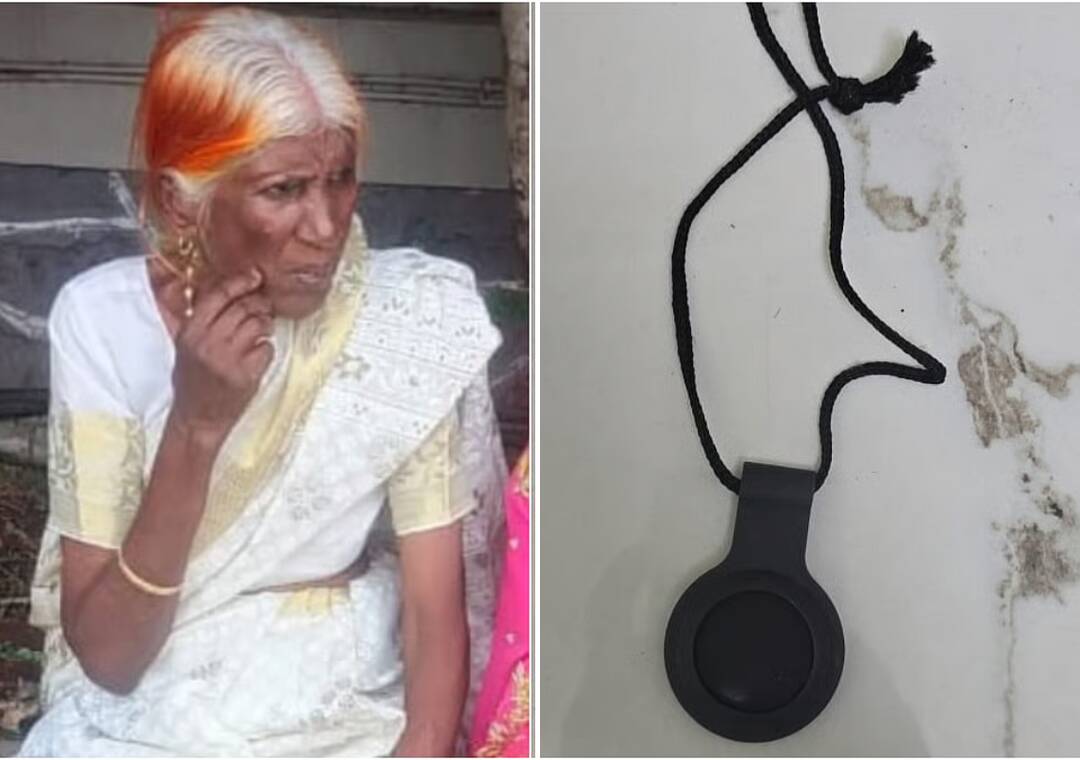
In a heart-wrenching incident, a 79-year-old woman in Mumbai’s Sewri, who has been struggling with memory-related issues, was hit by a two-wheeler while she was out for an evening walk. The incident occurred when the woman, who has been suffering from memory loss, wandered away from her home and was struck by a two-wheeler. The rider, however, fled the scene, leaving the elderly woman lying on the road, injured and helpless.
As the woman’s family began searching for her, they realized that she was nowhere to be found. Her grandson, who had been taking care of her, was particularly worried, as he knew that his grandmother’s memory issues made it difficult for her to recall her way back home or even her own identity. The family searched the neighborhood, asked around, and even contacted the local police, but there was no sign of the elderly woman.
It was then that the grandson remembered the GPS tracker that he had placed on his grandmother’s necklace, owing to her medical condition. The GPS tracker, which was specifically designed for people with dementia and Alzheimer’s disease, allowed the family to track the woman’s location in real-time. The grandson quickly activated the GPS tracker and was relieved to find that it was still working, providing them with the woman’s exact location.
To their surprise, the GPS tracker indicated that the woman was at the King Edward Memorial (KEM) Hospital, which was several kilometers away from their home. The family rushed to the hospital and was relieved to find the woman being treated for her injuries. According to hospital authorities, a passerby had found the woman lying on the road, injured and disoriented, and had taken her to the hospital.
The incident highlights the importance of using technology to care for elderly individuals with memory-related issues. The GPS tracker, which was initially seen as a precautionary measure, ended up being a lifesaver, allowing the family to locate the woman and ensure that she received medical attention in time. The incident also underscores the need for greater awareness and support for families caring for loved ones with dementia and Alzheimer’s disease.
As the woman recovers from her injuries, her family is grateful for the role that technology played in reuniting them. The grandson, who had been worried sick about his grandmother, is relieved that she is safe and sound. “We were frantically searching for her everywhere, but the GPS tracker helped us find her quickly,” he said. “It’s a huge relief, and we’re just grateful that she’s okay.”
The incident has also raised awareness about the importance of using technology to support elderly individuals with memory-related issues. Many families are now considering using GPS trackers and other assistive technologies to care for their loved ones. As the population ages, the need for such technologies is likely to grow, and it’s heartening to see that they can make a real difference in people’s lives.
In conclusion, the incident involving the 79-year-old woman in Mumbai’s Sewri is a testament to the power of technology in improving healthcare outcomes and supporting families caring for loved ones with memory-related issues. As we move forward, it’s essential that we continue to leverage technology to develop innovative solutions that can help us care for our elderly population with greater ease, dignity, and compassion.
About the Author