Woman with memory issues gets hit by 2-wheeler, found with help of GPS tracker in Mumbai
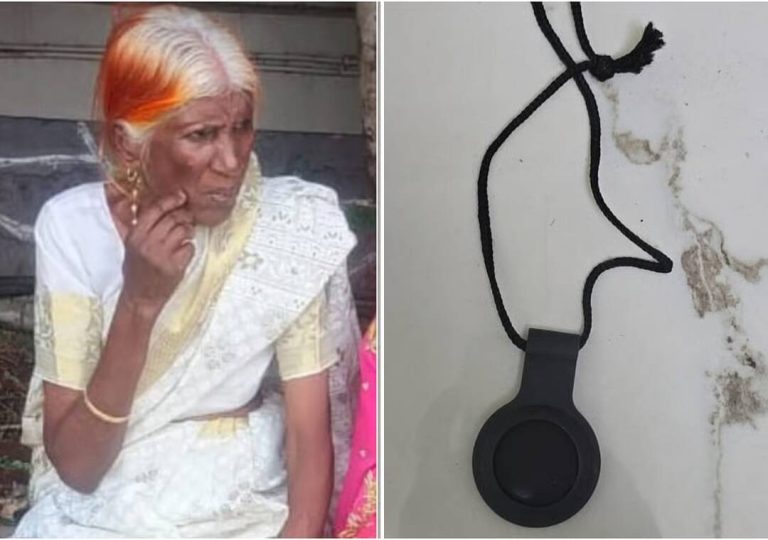
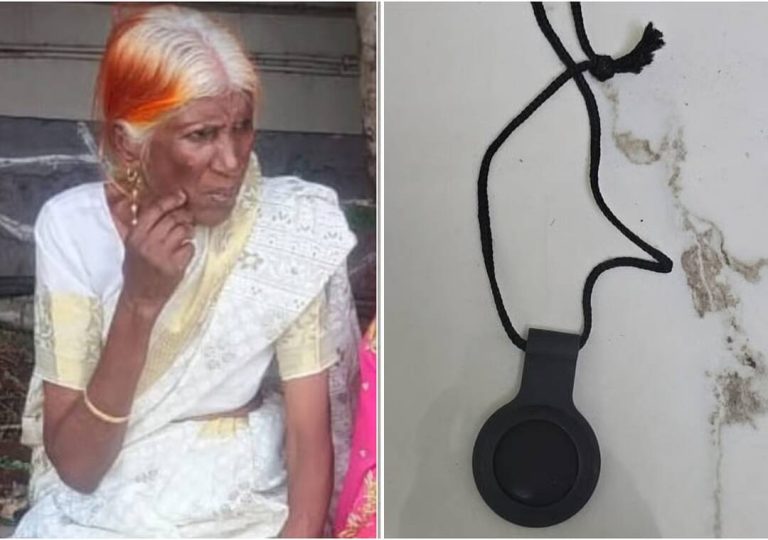
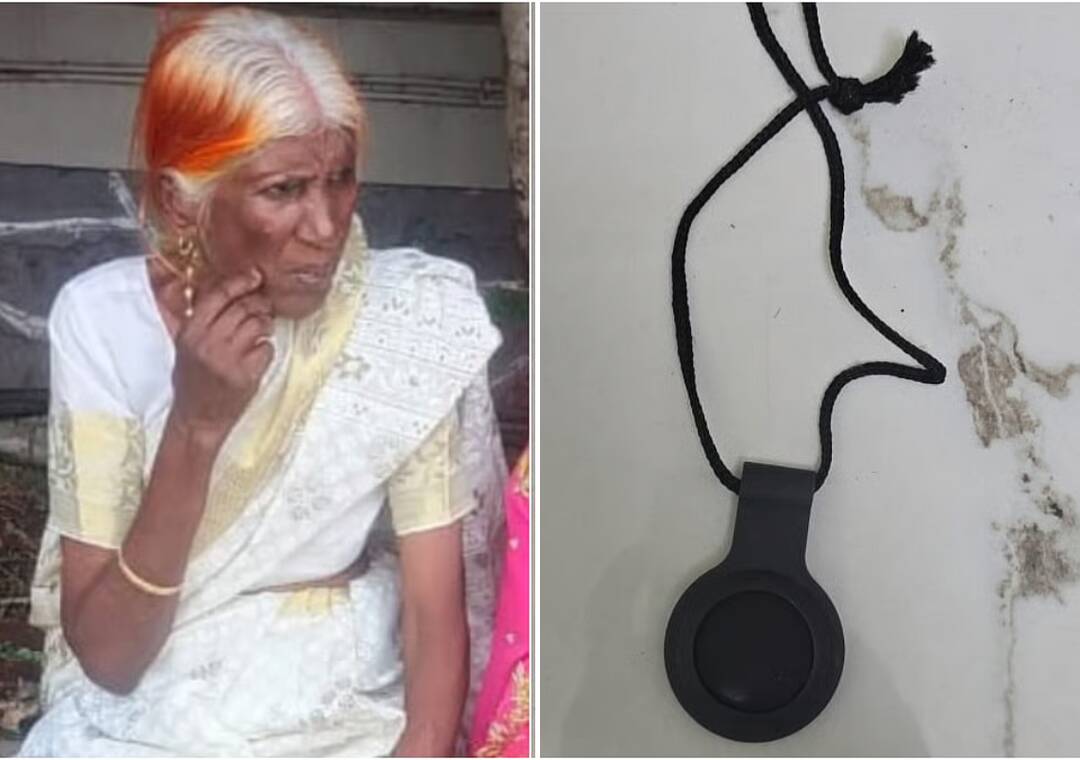
In a remarkable example of how technology can be a lifesaver, a 79-year-old woman in Mumbai’s Sewri, who suffers from memory-related issues, was found at a hospital after being hit by a two-wheeler while out for an evening walk. The woman’s family had been searching for her everywhere, but it was a GPS tracker that ultimately led them to her location.
The incident occurred when the woman, who has not been named, went out for a walk in the evening. Unfortunately, she was hit by a two-wheeler, and the rider fled the scene without stopping to help her. The woman, due to her medical condition, was unable to recall her whereabouts or contact her family.
Her family, who had been searching for her, were frantic with worry. They had looked everywhere, asked around, and even contacted the local police, but there was no sign of her. It was then that her grandson remembered the GPS tracker that he had placed on her necklace, specifically because of her memory-related issues.
The GPS tracker, which is a small device that can be worn like a pendant, uses satellite technology to pinpoint the wearer’s location. It is often used for people who have dementia, Alzheimer’s, or other conditions that affect their memory and ability to navigate.
The grandson activated the GPS tracker and was relieved to see that it was still transmitting the woman’s location. He quickly tracked her down to KEM Hospital, where she had been taken by a passerby who had found her lying on the road after the accident.
The family rushed to the hospital and were reunited with the woman, who was being treated for her injuries. They were grateful to the passerby who had taken her to the hospital and to the GPS tracker that had helped them find her.
This incident highlights the importance of using technology to help people with memory-related issues. The GPS tracker had been a lifesaver in this case, and it is likely that the woman would not have been found so quickly without it.
The use of GPS trackers for people with dementia and Alzheimer’s is becoming increasingly common. These devices can provide peace of mind for families and caregivers, who can track the wearer’s location and ensure that they are safe.
In addition to GPS trackers, there are many other technologies that can help people with memory-related issues. For example, wearable devices that can detect falls and alert emergency services, and mobile apps that can help people with dementia navigate their surroundings.
The incident also highlights the need for greater awareness and support for people with memory-related issues. Many people with dementia and Alzheimer’s live alone, and they may not have access to the support and care that they need.
The family of the woman who was hit by the two-wheeler is grateful for the technology that helped them find her. They are also grateful to the passerby who took her to the hospital, and they hope that the incident will raise awareness about the importance of using technology to help people with memory-related issues.
In conclusion, the use of a GPS tracker to find a 79-year-old woman with memory issues who was hit by a two-wheeler in Mumbai is a remarkable example of how technology can be a lifesaver. The incident highlights the importance of using technology to help people with memory-related issues and the need for greater awareness and support for these individuals.
About the Author