Why most space telescope images could be blurry in next decade?
The universe has always been a subject of fascination for humans, and with the help of space telescopes, we have been able to explore and understand the vastness of space like never before. However, a recent NASA-linked study has warned that the images captured by these telescopes could be severely affected in the coming decade. The culprit behind this potential problem is not a natural phenomenon, but rather a man-made one – satellite reflections.
The study suggests that the increasing number of satellites in the Earth’s orbit could contaminate many space-telescope images, making them blurry and unusable. This is because the satellites reflect sunlight, which can interfere with the sensitive instruments of the telescopes. The problem is expected to worsen with the launch of planned megaconstellations, which could see thousands of new satellites being added to the Earth’s orbit.
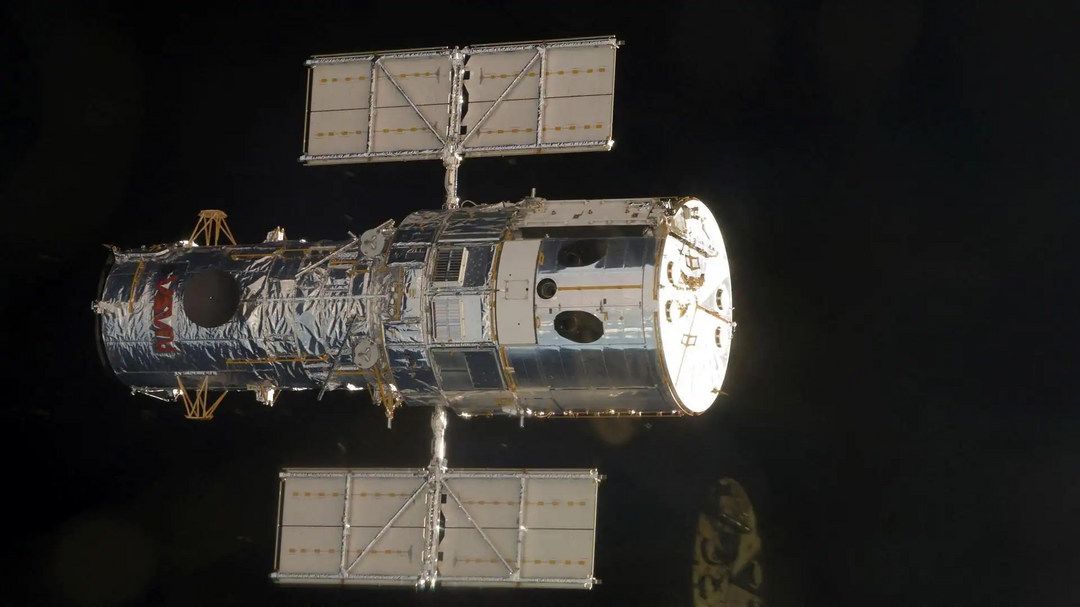
According to the study, some telescopes may see more than 96% of exposures affected by satellite reflections. This means that out of every 100 images captured by these telescopes, 96 of them could be ruined by satellite trails. The Hubble Space Telescope, one of the most iconic and successful space telescopes, could also be affected, with around 40% of its exposures being contaminated.
The implications of this problem are severe. Astronomical events, such as supernovae or gamma-ray bursts, could be lost forever if satellite trails cross critical observations. These events are often rare and fleeting, and if they are not captured by telescopes, they could be lost forever. Moreover, the contamination of images could also affect the accuracy of scientific research, leading to incorrect conclusions and a lack of progress in our understanding of the universe.
The main culprit behind this problem is the planned launch of megaconstellations, such as SpaceX’s Starlink and Amazon’s Kuiper Systems. These constellations will consist of thousands of satellites, which will be used to provide internet connectivity to remote areas of the world. While the goal of these constellations is noble, the potential impact on space telescopes is significant.
The study suggests that the problem of satellite reflections could be mitigated by implementing certain measures. For example, satellites could be designed to be less reflective, or they could be launched into orbits that minimize their impact on space telescopes. Additionally, telescopes could be equipped with special instruments that can detect and remove satellite trails from images.
However, these measures may not be enough to completely solve the problem. The study warns that the launch of megaconstellations could have a catastrophic impact on space telescopes, and that urgent action is needed to prevent this from happening. The astronomical community is calling for greater regulation of satellite launches and for more research into the impact of satellite reflections on space telescopes.
In conclusion, the next decade could be a challenging time for space telescopes. The increasing number of satellites in the Earth’s orbit could contaminate many images, making them blurry and unusable. The implications of this problem are severe, and could affect the accuracy of scientific research and our understanding of the universe. It is essential that urgent action is taken to mitigate the impact of satellite reflections and to ensure that space telescopes can continue to capture high-quality images of the universe.
The study’s findings are a wake-up call for the astronomical community and for policymakers. It is essential that we take steps to regulate satellite launches and to minimize the impact of satellite reflections on space telescopes. The universe is a vast and complex place, and we owe it to ourselves and to future generations to ensure that we can continue to explore and understand it without interference.
About the Author