Why most space telescope images could be blurry in next decade?
The universe has always been a subject of fascination for humans, and with the help of space telescopes, we have been able to explore and understand it better. However, a recent NASA-linked study has warned that the images captured by these telescopes could be blurry in the next decade due to satellite reflections. This phenomenon could contaminate many space-telescope images, making it difficult for astronomers to study the universe.
The study suggests that the planned megaconstellations of satellites could be the main culprit behind this issue. These megaconstellations are a group of satellites that are launched into space to provide internet connectivity to the entire world. While they may bring many benefits, they also pose a significant threat to astronomical research. The satellites’ reflections could overlap with the images captured by space telescopes, making them blurry and unusable.
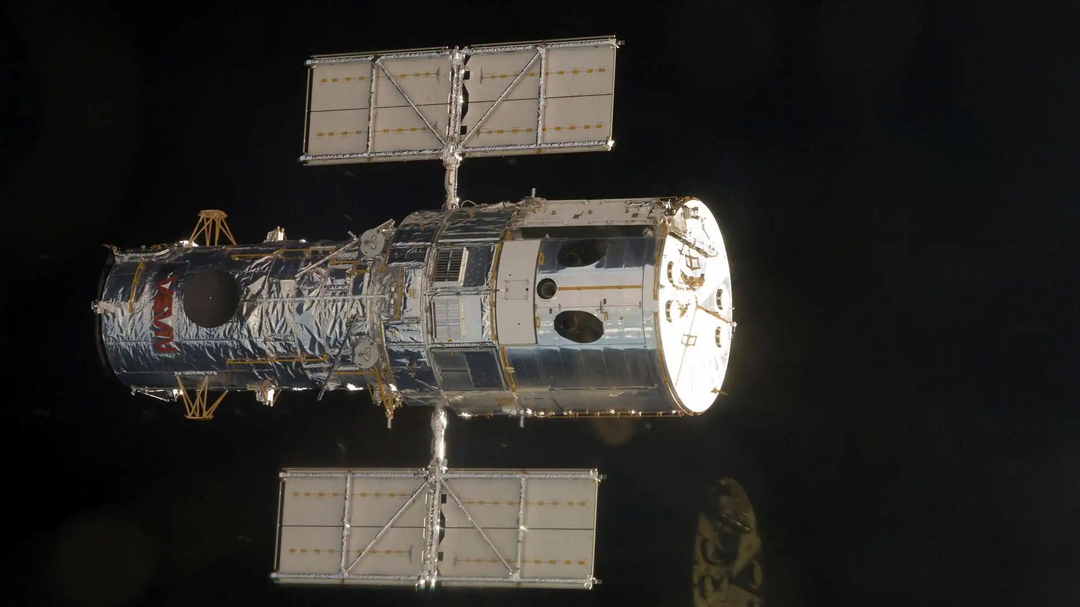
According to the study, some telescopes may see more than 96% of exposures affected if the planned megaconstellations launch. This means that almost all the images captured by these telescopes could be contaminated with satellite reflections, making it impossible to study the universe. Even telescopes like Hubble, which is one of the most advanced space telescopes, would face about 40% of exposures affected.
The researchers caution that astronomical events could be lost when satellite trails cross critical observations. This could be a significant setback for astronomers who are trying to study rare and unique events in the universe. For example, if a satellite trail crosses the image of a supernova, it could be impossible to study the event, and valuable data could be lost.
The problem is not limited to space telescopes alone. Even ground-based telescopes could be affected by satellite reflections. The study suggests that the reflections could be so bright that they could outshine the light from distant stars and galaxies, making it difficult to study them.
The main reason behind this issue is the increasing number of satellites in space. In the past few years, there has been a significant increase in the number of satellites launched into space. This has led to a significant increase in the amount of space debris, which includes old satellites, rocket parts, and other objects. The satellite reflections are just one of the many problems caused by space debris.
The researchers are calling for urgent action to mitigate the effects of satellite reflections on space telescopes. They suggest that satellite operators should take steps to reduce the reflectivity of their satellites, such as using darker materials or designing them to be less reflective. They also suggest that astronomers should develop new techniques to remove satellite trails from images.
The issue of satellite reflections is not just a problem for astronomers; it also has significant implications for the environment. The increasing number of satellites in space is contributing to the growing problem of space debris. This debris can pose a significant threat to operational satellites and spacecraft, and it can also make it difficult to launch new satellites into space.
In conclusion, the study warns that satellite reflections could contaminate many space-telescope images in the coming decade. This could be a significant setback for astronomers who are trying to study the universe. The researchers are calling for urgent action to mitigate the effects of satellite reflections, and it is essential that satellite operators and astronomers work together to address this issue.
The universe is a vast and complex place, and studying it is essential to understanding our place in it. However, the increasing number of satellites in space is posing a significant threat to astronomical research. It is essential that we take steps to mitigate the effects of satellite reflections and ensure that we can continue to study the universe without any interruptions.
News Source: https://www.newsbytesapp.com/news/science/satellite-reflections-could-ruin-over-95-of-space-telescope-images/story
About the Author