Why most space telescope images could be blurry in next decade?
The advent of space telescopes has revolutionized our understanding of the universe, allowing us to capture stunning images of distant galaxies, stars, and planets. However, a recent NASA-linked study has raised concerns that the next decade may see a significant decline in the quality of these images. The culprit behind this potential problem is not a technical glitch or a lack of funding, but rather the increasing number of satellites in Earth’s orbit. According to the study, satellite reflections could contaminate many space-telescope images, rendering them blurry and potentially useless for scientific research.
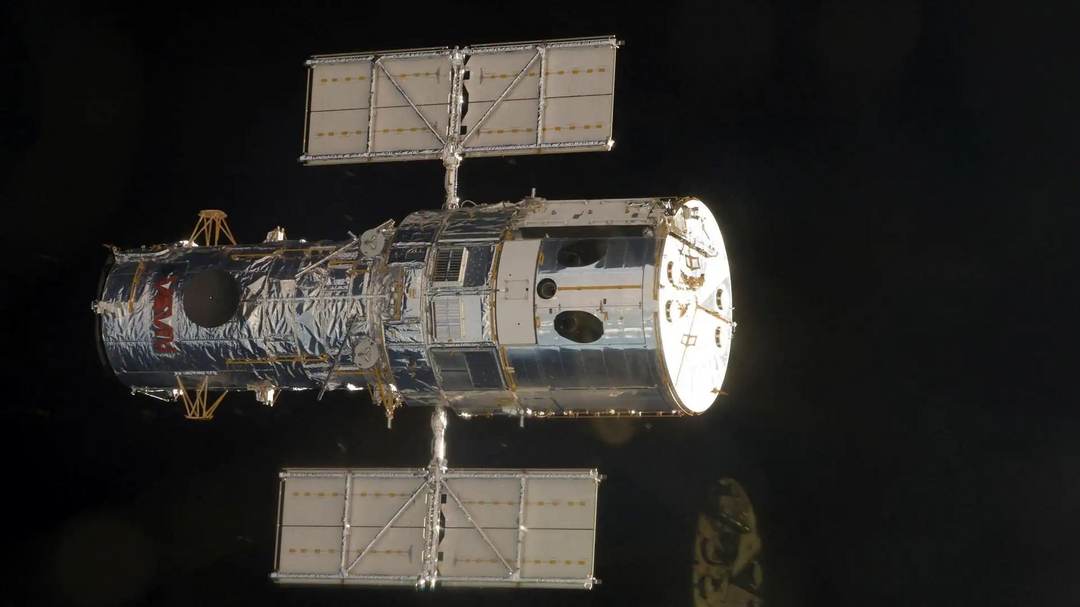
The study warns that some telescopes may see more than 96% of exposures affected if planned megaconstellations launch, while telescopes like Hubble would face about 40% contamination. This is a alarming prospect, as space telescopes like Hubble have been instrumental in making groundbreaking discoveries about the universe. The Hubble Space Telescope, in particular, has been a workhorse for astronomers, providing breathtaking images of the cosmos and helping us better understand the formation and evolution of galaxies.
So, what exactly is the problem with satellite reflections? The issue arises when satellites in low Earth orbit reflect sunlight towards space telescopes, creating streaks or trails in the images. These trails can be particularly problematic when they cross critical observations, such as the detection of exoplanets or the study of distant supernovae. In such cases, the satellite trails can masquerade as real astronomical signals, leading to false positives or misleading results.
The problem is exacerbated by the planned launch of megaconstellations, which involve deploying thousands of small satellites in low Earth orbit. These satellites are designed to provide global internet connectivity, but they also have the potential to create a significant amount of interference for space telescopes. The study suggests that the sheer number of satellites in these megaconstellations could lead to a significant increase in the number of satellite trails in space-telescope images.
The impact of satellite reflections on space-telescope images is not just a matter of aesthetics; it has serious implications for scientific research. Astronomers rely on high-quality images to make precise measurements and detect faint signals from distant objects. When satellite trails contaminate these images, it can become difficult or impossible to extract meaningful information from the data. This could lead to a significant slowdown in the pace of astronomical research, as scientists struggle to compensate for the loss of data quality.
The study’s findings are based on simulations of the expected satellite population in the next decade. The researchers used a combination of satellite tracking data and telescope simulations to estimate the number of satellite trails that would be present in images taken by different space telescopes. The results are stark: even telescopes like Hubble, which is designed to observe the universe in visible and ultraviolet light, could see a significant decline in image quality due to satellite reflections.
So, what can be done to mitigate this problem? One potential solution is to develop new technologies that can remove satellite trails from images. This could involve the use of advanced algorithms or machine learning techniques to identify and subtract the trails from the data. Another approach could be to design new space telescopes that are less susceptible to satellite interference. For example, telescopes that observe the universe in infrared or radio wavelengths may be less affected by satellite reflections.
However, these solutions are not without their challenges. Developing new technologies to remove satellite trails would require significant investment in research and development. Moreover, designing new space telescopes that can withstand satellite interference would require a fundamental rethink of the way we build and launch these instruments.
In the meantime, astronomers are bracing themselves for a potential decline in image quality. The study’s findings are a wake-up call for the scientific community, highlighting the need for greater awareness and cooperation between the astronomy and satellite industries. As the number of satellites in Earth’s orbit continues to grow, it is essential that we find ways to mitigate the impact of satellite reflections on space-telescope images.
In conclusion, the next decade may see a significant decline in the quality of space-telescope images due to satellite reflections. The study’s findings are a cause for concern, as they suggest that even telescopes like Hubble could be affected by satellite trails. However, by developing new technologies and designing new space telescopes, we can mitigate this problem and ensure that astronomical research continues to thrive. As we look to the future, it is essential that we prioritize the development of solutions to this problem, lest we risk losing valuable insights into the universe.
News source: https://www.newsbytesapp.com/news/science/satellite-reflections-could-ruin-over-95-of-space-telescope-images/story
About the Author