Why most space telescope images could be blurry in next decade?
The advent of space telescopes has revolutionized our understanding of the universe, allowing us to capture stunning images of distant galaxies, stars, and planets. However, a recent NASA-linked study has warned that the proliferation of satellite megaconstellations in the coming decade could contaminate many space-telescope images, rendering them blurry and potentially useless. In this blog post, we will delve into the details of this study and explore the implications of satellite reflections on space-telescope images.
The study, which was conducted by a team of researchers affiliated with NASA, warns that the planned launch of thousands of satellites in the next decade could lead to a significant increase in satellite reflections, also known as “satellite trails.” These trails occur when the sun’s light reflects off the surface of a satellite, creating a bright streak that can appear in images captured by space telescopes. The problem is that these trails can be mistaken for celestial objects, such as asteroids or comets, and can therefore contaminate the data collected by space telescopes.
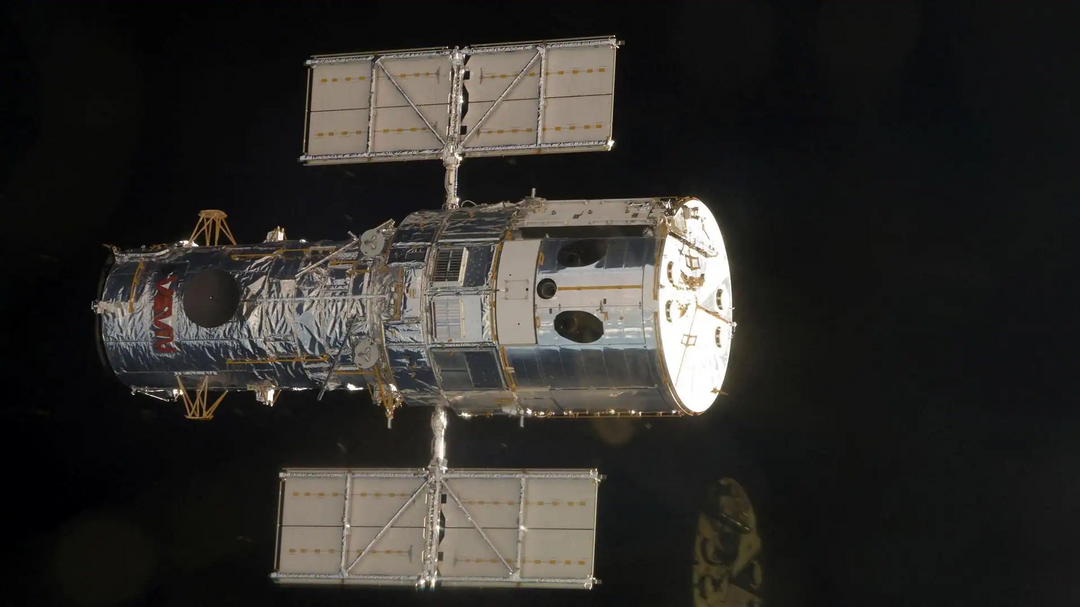
According to the study, some space telescopes may see more than 96% of exposures affected by satellite trails if the planned megaconstellations are launched. This means that nearly all of the images captured by these telescopes could be blurry and potentially useless. Even the Hubble Space Telescope, which is one of the most advanced space telescopes in operation, could face a significant problem, with around 40% of its exposures affected by satellite trails.
The implications of this study are significant, as satellite trails could lead to the loss of valuable scientific data. Astronomers rely on space telescopes to capture images of celestial events, such as supernovae explosions or the passage of asteroids. If satellite trails contaminate these images, it could be difficult or impossible to extract useful data from them. This could have serious consequences for our understanding of the universe, as astronomers may miss critical observations that could shed light on the nature of dark matter, dark energy, or other fundamental phenomena.
One of the main drivers of the problem is the planned launch of satellite megaconstellations, such as SpaceX’s Starlink or Amazon’s Kuiper Systems. These constellations will consist of thousands of satellites that will be launched into low-Earth orbit, where they will provide global internet coverage. While these constellations have the potential to revolutionize global communication, they also pose a significant threat to the integrity of space-telescope images.
The researchers behind the study caution that the problem of satellite trails is not just a technical issue, but also a policy issue. They argue that regulatory bodies, such as the Federal Communications Commission (FCC), need to take a more proactive approach to mitigating the impact of satellite megaconstellations on space telescopes. This could involve implementing rules that require satellite operators to take steps to minimize the reflectivity of their satellites, or to coordinate their launches with the schedules of space telescopes.
In conclusion, the study highlights the significant threat that satellite reflections pose to the integrity of space-telescope images. With the planned launch of thousands of satellites in the next decade, the problem of satellite trails is likely to worsen, potentially rendering many space-telescope images blurry and useless. It is essential that regulatory bodies, satellite operators, and astronomers work together to mitigate this problem and ensure that space telescopes can continue to capture high-quality images of the universe.
The study’s findings are a stark reminder of the need for responsible and sustainable development of space technology. As we continue to push the boundaries of space exploration and development, we must also prioritize the protection of our scientific assets, including space telescopes. By working together, we can ensure that the next decade of space exploration is marked by groundbreaking discoveries, rather than compromised by the threat of satellite trails.
In the coming years, astronomers and satellite operators will need to work closely together to develop strategies for mitigating the impact of satellite trails on space-telescope images. This may involve the development of new technologies, such as more sophisticated image-processing algorithms or more effective methods for coordinating satellite launches with space-telescope observations. It may also require changes to regulatory policies, such as the implementation of rules that require satellite operators to take steps to minimize the reflectivity of their satellites.
Ultimately, the study’s findings serve as a reminder of the complex and interconnected nature of space exploration and development. As we continue to push the boundaries of what is possible in space, we must also prioritize the protection of our scientific assets and the integrity of our data. By working together and taking a proactive approach to mitigating the impact of satellite trails, we can ensure that the next decade of space exploration is marked by groundbreaking discoveries and a deeper understanding of the universe.
News Source: https://www.newsbytesapp.com/news/science/satellite-reflections-could-ruin-over-95-of-space-telescope-images/story
About the Author