Why most space telescope images could be blurry in next decade?
The advent of space telescopes has revolutionized our understanding of the universe, allowing us to capture stunning images of distant galaxies, stars, and planets. However, a recent NASA-linked study has raised concerns that the increasing number of satellites in Earth’s orbit could contaminate many space-telescope images in the coming decade. The study warns that satellite reflections could render a significant percentage of exposures useless, potentially causing astronomers to miss critical observations of astronomical events.
The culprit behind this potential problem is the planned launch of megaconstellations, which are large networks of satellites designed to provide global internet coverage. These satellites are expected to be launched in large numbers, with some estimates suggesting that there could be over 100,000 satellites in orbit by the end of the decade. While these satellites will undoubtedly bring many benefits, including improved internet connectivity, they also pose a significant threat to astronomical research.
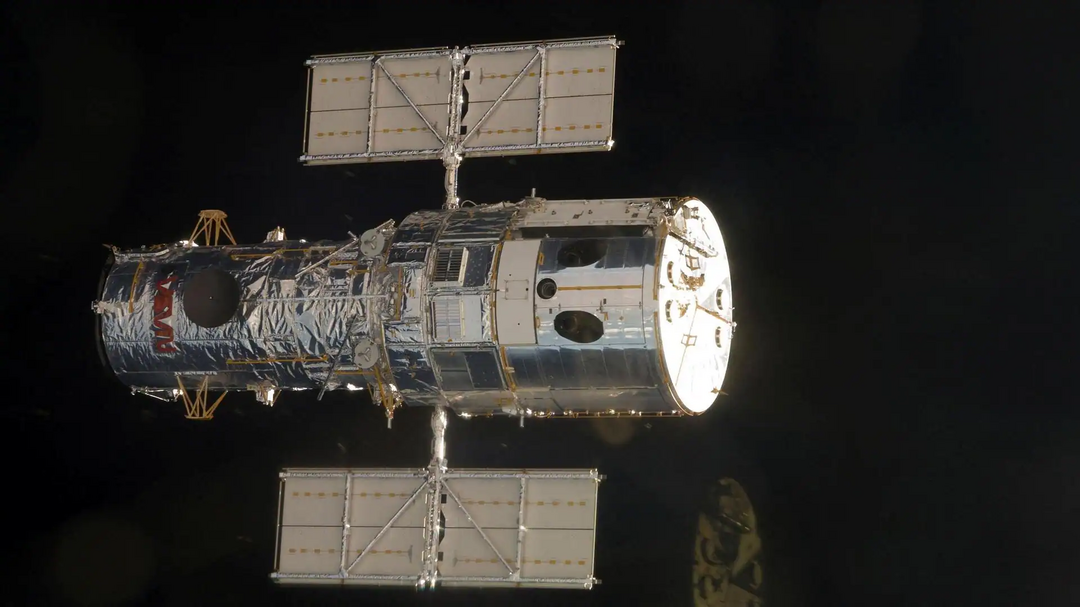
The study, which was conducted by a team of researchers, used computer simulations to model the impact of satellite reflections on space-telescope images. The results were alarming, with some telescopes predicted to see more than 96% of exposures affected by satellite trails. Even the Hubble Space Telescope, one of the most iconic and successful space telescopes in history, would face a significant impact, with around 40% of its exposures potentially being contaminated by satellite reflections.
The problem is that satellites in low Earth orbit reflect a significant amount of sunlight, which can then be captured by space telescopes. This reflected light can create streaks or trails in images, rendering them useless for scientific purposes. The issue is exacerbated by the fact that many of these satellites are designed to be highly reflective, in order to maximize their signal strength and efficiency.
The potential consequences of this problem are significant. Astronomers rely on space telescopes to study a wide range of phenomena, from the formation of galaxies to the detection of exoplanets. If a large percentage of exposures are contaminated by satellite reflections, it could severely limit our ability to make new discoveries and advance our understanding of the universe.
Furthermore, the problem is not just limited to the quality of images. Satellite trails could also cause astronomers to miss critical observations of astronomical events, such as supernovae or gamma-ray bursts. These events are often fleeting and require rapid observation and analysis. If satellite trails are present in images, it could prevent astronomers from making accurate measurements and gathering valuable data.
The study’s findings have significant implications for the future of space-based astronomy. It highlights the need for careful planning and coordination between satellite operators, astronomers, and regulatory agencies. One potential solution is to implement mitigation strategies, such as adjusting the orbits of satellites or using specialized filters to reduce the impact of reflected light.
Another potential solution is to develop new technologies that can help to reduce the impact of satellite reflections. For example, researchers are exploring the use of advanced image processing algorithms that can remove satellite trails from images. These algorithms use machine learning and other techniques to identify and remove the streaks caused by satellite reflections, allowing astronomers to recover valuable data.
In conclusion, the potential for satellite reflections to contaminate space-telescope images is a significant concern that requires immediate attention. The study’s findings highlight the need for careful planning and coordination to mitigate the impact of satellite reflections on astronomical research. While the problem is complex and challenging, it is not insurmountable. By working together and developing new technologies and strategies, we can minimize the impact of satellite reflections and ensure that space-based astronomy continues to thrive in the decades to come.
News Source: https://www.newsbytesapp.com/news/science/satellite-reflections-could-ruin-over-95-of-space-telescope-images/story
About the Author