Why most space telescope images could be blurry in next decade?
The advent of space telescopes has revolutionized our understanding of the universe, allowing us to study celestial objects and phenomena in unprecedented detail. However, a recent NASA-linked study has raised concerns that the increasing number of satellites in Earth’s orbit could contaminate many space-telescope images in the coming decade. The study warns that satellite reflections could render a significant percentage of exposures unusable, potentially leading to the loss of valuable astronomical data.
The proliferation of satellites in recent years has been driven by the launch of megaconstellations, which are networks of hundreds or thousands of satellites designed to provide global internet coverage. While these satellites have the potential to transform the way we communicate, they also pose a significant threat to astronomical research. The reflective surfaces of these satellites can reflect sunlight and other forms of electromagnetic radiation, creating streaks and glare in space-telescope images.
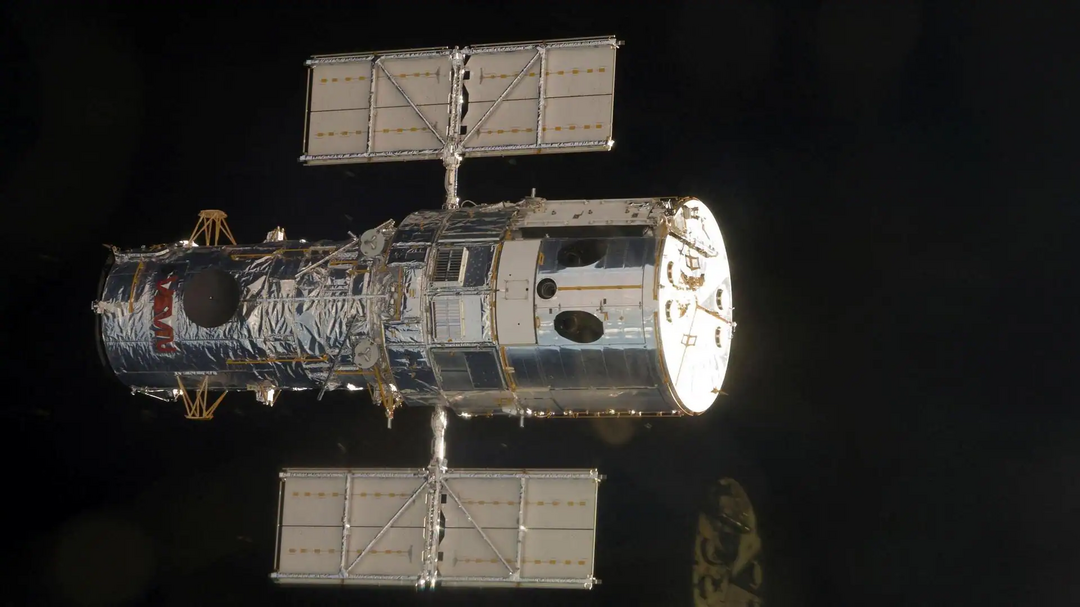
According to the study, some telescopes may see more than 96% of exposures affected if planned megaconstellations launch. This means that nearly all of the images captured by these telescopes could be contaminated by satellite reflections, rendering them unusable for scientific research. Even telescopes like the Hubble Space Telescope, which is considered one of the most advanced space telescopes in operation, could face significant disruptions. The study estimates that Hubble could see around 40% of its exposures affected by satellite reflections.
The impact of satellite reflections on space-telescope images could be devastating for astronomical research. Many astronomical events, such as supernovae explosions or gamma-ray bursts, are rare and fleeting, and may only be observable for a short period of time. If satellite trails cross critical observations, these events could be lost forever, taking with them valuable insights into the workings of the universe.
The problem of satellite reflections is not limited to optical telescopes. Radio telescopes, which study the universe in radio wavelengths, could also be affected by satellite transmissions. The signals transmitted by satellites could interfere with the sensitive radio receivers used in radio telescopes, creating noise and disrupting observations.
The study’s findings have significant implications for the future of astronomical research. As the number of satellites in Earth’s orbit continues to grow, the problem of satellite reflections is likely to worsen. Unless measures are taken to mitigate the effects of satellite reflections, many space-telescope images could be rendered unusable, leading to a significant loss of scientific data.
One possible solution to the problem of satellite reflections is to implement stricter regulations on the launch of satellites. This could include requirements for satellites to be designed with minimal reflective surfaces, or to be launched into orbits that minimize their impact on astronomical research. Another solution could be to develop new technologies that can remove satellite reflections from space-telescope images. This could involve the use of advanced image-processing algorithms or the development of new telescope designs that are less susceptible to satellite reflections.
In conclusion, the increasing number of satellites in Earth’s orbit poses a significant threat to astronomical research. The reflection of sunlight and other forms of electromagnetic radiation from these satellites could contaminate many space-telescope images, leading to a loss of valuable scientific data. Unless measures are taken to mitigate the effects of satellite reflections, many space-telescope images could be blurry and unusable in the next decade. It is essential that astronomers, policymakers, and industry leaders work together to address this issue and ensure that the pursuit of astronomical knowledge is not hindered by the growing number of satellites in Earth’s orbit.
News source: https://www.newsbytesapp.com/news/science/satellite-reflections-could-ruin-over-95-of-space-telescope-images/story
About the Author